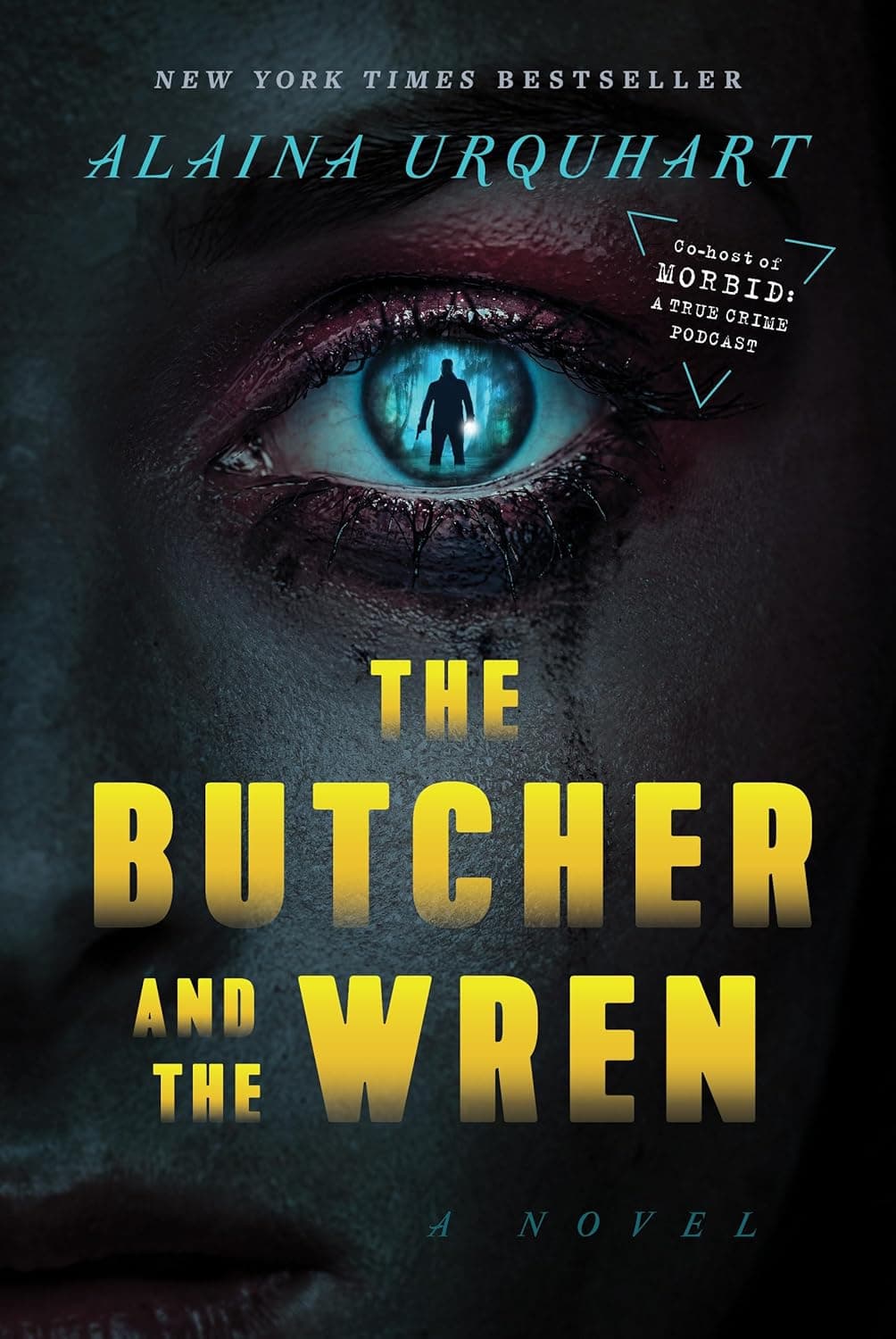
Dr. Wren Muller
Quick Facts
- Role: Protagonist; forensic pathologist in New Orleans
- Also known as: Emily Maloney (former identity; only known survivor of the Bayou Butcher)
- Core conflict: Hunting the serial killer who once abducted her
- First appearance: Early chapters at the Orleans Parish morgue
- Major relationships: Jeremy Rose (Cal), Detective John Leroux, Richard, Emma
- Notable symbols: Her chosen name “Wren”; the stolen bracelet; autopsy tools as instruments of truth
Who They Are
At first glance, Wren Muller is the consummate scientist: precise, incisive, and determined to speak for the dead. Underneath, she’s a survivor living under a new name, remaking a life the Bayou Butcher tried to erase. The novel binds these halves—Wren the pathologist and Emily the survivor—into a single hunter who learns to wield both evidence and instinct. Her casework is personal without being reckless, clinical without losing compassion, and increasingly shaped by the knowledge that the killer is playing a game meant for her.
Personality & Traits
Wren works like a scalpel: sharp, targeted, and guided by discipline. Yet her compassion for unnamed victims drives her as much as science does. The tension between logic and lived trauma animates her choices—she resists anything she can’t test, even as memory and intuition tug her toward the truth.
- Intelligent and analytical: Her methodical approach in Chapter 2 and Chapter 10 makes her indispensable, reading crime scenes and bodies with a rigor that filters noise from pattern.
- Dedicated and empathetic: She’s haunted by the “loneliness of the Does” (Chapter 6), turning every unidentified body into a personal obligation to restore a name and a story.
- Resilient and strong: She embodies Survival and Resilience, remaking herself after the attack and choosing “Wren”—a small, clever bird—as a statement of endurance.
- Haunted by trauma: The nightmare in Chapter 10 externalizes the Past Trauma and Its Lingering Effects, surfacing fear before Wren consciously links the new murders to her past.
- Skeptical yet intuitive: She dismisses the psychic’s reading in Chapter 12, but can’t shake gut-level recognition—like the prickle around the name Philip Trudeau—that her rational mind can’t yet validate.
- Professional poise as armor: Small physical details—an auburn ponytail spotted by Jeremy in Chapter 11, a bun in Chapters 10 and 16, carefully curled hair for a rare night out in Chapter 12—signal how she manages image and control under pressure. Noticing the “dark circles” under Detective John Leroux’s eyes mirrors her own exhaustion and the case’s toll.
Character Journey
Wren begins as a brilliant, contained pathologist who keeps her past sealed. The Bayou Butcher case initially looks like a puzzle she can solve from the lab bench—until the killer threads her into it. A business card in Chapter 10 and, later, the discovery of her stolen bracelet on Emma in Chapter 24 collapse the distance between doctor and victim, present and past, Wren and Emily. When she tells Leroux, “I’m Emily Maloney” (Chapter 26), she reframes the investigation: the survivor’s knowledge becomes a tool rather than a secret. By Chapter 34, Wren stands in the bayou with a gun trained on her attacker, a reversal from prey to hunter that integrates her scientific acuity with survivor’s resolve. Her arc is less about shedding fear than about using it—she learns to convert memory into strategy and precision into courage.
Key Relationships
- Jeremy Rose (Cal): Her former lab partner and present predator, Jeremy weaponizes intimacy and history, turning their shared past into a taunt and a trap. Their bond is a toxic dyad central to The Hunt: Predator vs. Prey: he pursues to finish what he started; she pursues to reclaim agency and end the hunt on her terms.
- Detective John Leroux: Years of work have built trust, gallows humor, and professional shorthand between them. He’s the first person Wren entrusts with her true identity (Chapter 26), and his steady belief anchors her as she shifts from detached examiner to personally invested hunter.
- Richard: A refuge from the morgue and the past, Richard represents the ordinary life Wren fought to reclaim. His support isn’t just comfort—it’s a stake in the present that clarifies what the investigation must protect.
- Emma: Finding Emma with Wren’s stolen bracelet (Chapter 24) forges a painful kinship across time. Emma becomes the turning key of the case, sharpening Wren’s focus from general justice to a vow: “I won’t fail you, Emma” (Chapter 26).
Defining Moments
Wren’s investigation becomes self-revelation: each clue against the Bayou Butcher pries open the sealed box of Emily Maloney, forcing Wren to transform vigilance into action.
- The Nightmare (Chapter 10): A faceless pursuer taunts her that she cannot run. Why it matters: The dream is trauma speaking before memory; it primes Wren (and the reader) to feel the killer’s return before the evidence confirms it.
- The Psychic Reading (Chapter 12): “Secrets surround” her; a betrayal looms. Why it matters: Wren’s scorn exposes her dependence on proof—yet the reading unnerves her, foreshadowing the moment when instinct must supplement science.
- Finding Her Bracelet (Chapter 24): The stolen bracelet surfaces on Emma’s body. Why it matters: Evidence and memory collide; the Butcher is Cal, and Wren is no longer simply solving murders—she’s being hunted.
- Revealing Her Identity to Leroux (Chapter 26): “I’m Emily Maloney.” Why it matters: Confession becomes strategy. By sharing the truth, Wren converts private trauma into actionable insight and reorients the investigation.
- The Final Confrontation (Chapter 34): Wren levels Leroux’s gun at Jeremy in the bayou. Why it matters: The power dynamic flips; the hunter and hunted exchange roles, crystallizing Wren’s integrated identity.
Symbolism
Wren symbolizes survival that doesn’t erase the past but learns to use it. Her chosen name—wren—evokes a small bird that thrives by quickness and cunning, mirroring her blend of intelligence and grit. She also embodies the tension of Science vs. Instinct: evidence is her creed, but intuition, sharpened by trauma, becomes the edge that lets her outthink a predator who knows her too well.
Essential Quotes
“The loneliness of the Does haunts her. Nothing is worse than being forgotten. She has made it her mission to never let her Does remain that way for long.” — Chapter 6
This clarifies her ethic: science in service of dignity. Wren’s cases aren’t abstractions—they’re vows—so her work becomes a moral practice, not just procedure.
“It’s fake. A lucky guess. She probably has seen me in the press or something.” — Chapter 12
Wren’s reflexive skepticism protects her rational control, but the defensiveness hints at fear—some truths feel too dangerous to entertain. The line marks the fault line between her lab-calibrated certainty and rising instinct.
“I won’t fail you, Emma.” — Chapter 26
A professional commitment becomes a personal oath. With Emma, Wren transforms grief and guilt into focus, aligning her scientific rigor with an intimate promise.
“John, do you remember the girl who survived the Bayou Butcher seven years ago? ... It’s Maloney. And it’s me. I’m Emily Maloney.” — Chapter 26
This confession fuses her two identities. It turns secrecy into strategy and shifts the investigation from detached analysis to survivor-led pursuit.
“He got away, John.” — Chapter 34
A blunt, deflating coda that keeps the horror honest. Even after the role reversal, the escape underlines how survival is ongoing work—and how the hunt, for now, continues.