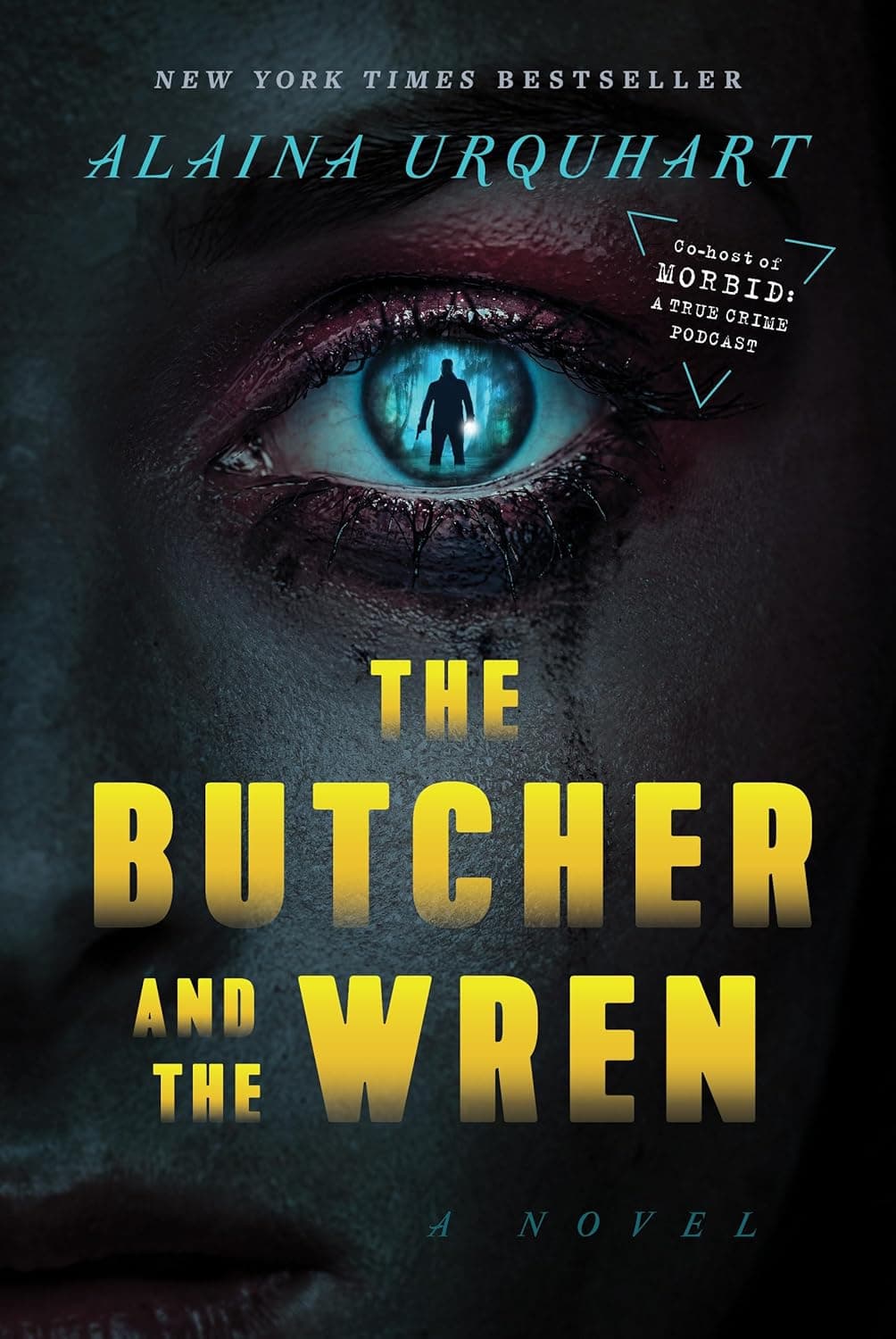
What This Theme Explores
Survival and Resilience in The Butcher and the Wren probes the razor’s edge between instinct and ethics: what we do to stay alive, and what those choices cost. The theme asks whether survival is merely endurance or a transformative act that remakes identity in the aftermath of violence. It weighs the split-second calculus of self-preservation against the long arc of healing, revealing how trauma can calcify into fear—or be reforged into purpose. Above all, it charts how the same experience can hollow one person out while hardening another into formidable strength.
How It Develops
The novel first frames survival in its most immediate, bodily terms. Early victims of the killer Jeremy Rose face terror that narrows to pure instinct, as helplessness curdles into paralysis. In this same stretch, Dr. Wren Muller is introduced through her cool, meticulous labor over the dead—a professional resilience that holds chaos at bay. Her work signals a second register of survival: the disciplined ritual of meaning-making after catastrophe.
Midway, the book pivots from observers and aftermaths to the crucible itself. The abduction of Emily—Wren’s past self—thrusts the narrative into the “game” in the bayou, where survival becomes decision by decision, breath by breath. As detailed in the Chapter 16-20 Summary, Emily’s clarity under pressure contrasts sharply with Katie’s spiraling panic; the story refuses to sentimentalize the brutal, sometimes selfish choices the living must make. In counterpoint, Emma’s coffin struggle exposes the limits of will: the body can fight to the last fingernail and still lose.
In the final movement, the theme expands beyond escape to reclamation. The revelation that Wren is Emily reframes her entire life as an act of resistance—she has rebuilt an identity that looks violence in the eye and categorizes it, masters it, refuses to be defined only by it. Survivors like Tara Kelley, who writes her attacker’s name even as she’s dying, show how defiance can still change outcomes. By the time Wren chooses to hunt Jeremy in the Chapter 31-35 Summary, survival has become agency: not just living, but deciding how to live—and whom to stop.
Key Examples
-
The bayou pursuit clarifies the theme’s moral severity. Under sniper fire in the Chapter 16-20 Summary, Emily recognizes that dragging Katie will doom them both; she chooses to run, a decision born of instinct rather than cruelty. Her later escape by using Katie’s body to trip the electric fence in the Chapter 21-25 Summary is horrifying and ingenious—evidence that survival sometimes requires choices that will haunt the survivor.
-
Emma’s coffin becomes a chamber of testimony. When Wren and Leroux uncover the bloodied scratch marks, they read not only a record of suffering but a declaration of will: Emma fought until the body failed. The scene honors her resilience without romanticizing her death, insisting that the attempt to live matters even when it cannot succeed.
-
The transformation from Emily to Wren reframes resilience as long-haul reconstruction. Seven years after escaping, she doesn’t retreat from death; she studies it, names it, and speaks for its victims. By stepping toward the source of her fear—and confronting Jeremy in the Chapter 31-35 Summary—she converts survival into purpose.
-
Tara Kelley’s final act of writing a name distills resilience into seconds. Though grievously injured, she wrests a sliver of control that ultimately advances the investigation. Her resistance shows how survival isn’t only measured in heartbeats, but in the meaning a person can wring from their last moments.
Character Connections
Wren/Emily embodies survival as metamorphosis. Her clinical composure is not numbness but disciplined sovereignty over what once destroyed her; she turns proximity to death into a vocation that restores her agency. Choosing to confront her attacker shifts her from reactive survivor to ethical actor, someone who uses what broke her as a weapon against the breaker.
Katie serves as a painful counterpoint. Her fear and indecision under fire expose how terror can immobilize the very instincts meant to keep us alive. Through Katie, the novel refuses simplistic judgments: resilience is not guaranteed, and compassion must reckon with the tragic fact that some cannot access it in the moment it’s most needed.
Emma and Tara outline a spectrum. Emma’s furious fight within the coffin—ultimately futile—honors perseverance despite outcome, while Tara’s dying inscription demonstrates how a final effort can still alter the living world. Together they complicate the narrative of “winning” survival, highlighting meaning even when life cannot be saved.
Jeremy Rose perverts the language of survival into predation. He stages the bayou as a naturalistic arena to justify cruelty as selection, masking his sadism as a test of worth. By weaponizing “survival of the fittest,” he becomes the crucible against which authentic resilience is measured and, ultimately, defied.
Symbolic Elements
The Bayou: A lush, lethal ecosystem where beauty and threat are inseparable, the swamp externalizes the story’s core: survival requires reading hidden dangers and making choices in darkness. As Jeremy’s curated arena, it underscores the asymmetry between hunter and hunted while foregrounding instinct as a lifeline.
The Wren: Emily’s chosen name encodes her philosophy of resilience—small, underestimated, and ferociously resourceful. By adopting the wren’s cunning over brute force, she claims a strength that thrives not by overpowering predators but by outwitting them.
Scars and Wounds: Bodies carry narratives that minds sometimes cannot speak. Emma’s torn nails, Emily’s thicket-slashed skin, and Wren’s invisible psychological scars function as living archives, marking pain while also testifying to endurance and the will to keep moving.
Contemporary Relevance
The novel resonates with ongoing conversations about trauma, agency, and the ethics of survival. It challenges the trope of the passive victim by depicting choices that are courageous, complicated, and sometimes morally costly—raising questions about survivor’s guilt and the narratives we impose on those who live. In a culture negotiating how to honor pain without fetishizing it, Wren’s arc models a path from harm to purpose, insisting that empowerment can coexist with scars. The story ultimately suggests that taking back one’s narrative is itself an act of survival.
Essential Quote
“Wrens are truly magnificent little creatures. They signify rebirth and protection, immortality, and strength... But while technically fragile, the wren outwits its underprepared predator to come out on top when threatened.”
This passage crystallizes the theme’s evolution from brute endurance to strategic resilience. By naming herself after the wren, Emily asserts that survival is not size or force but ingenuity and persistence—an identity built not around what was done to her, but around how she chooses to live in its aftermath.