What This Theme Explores
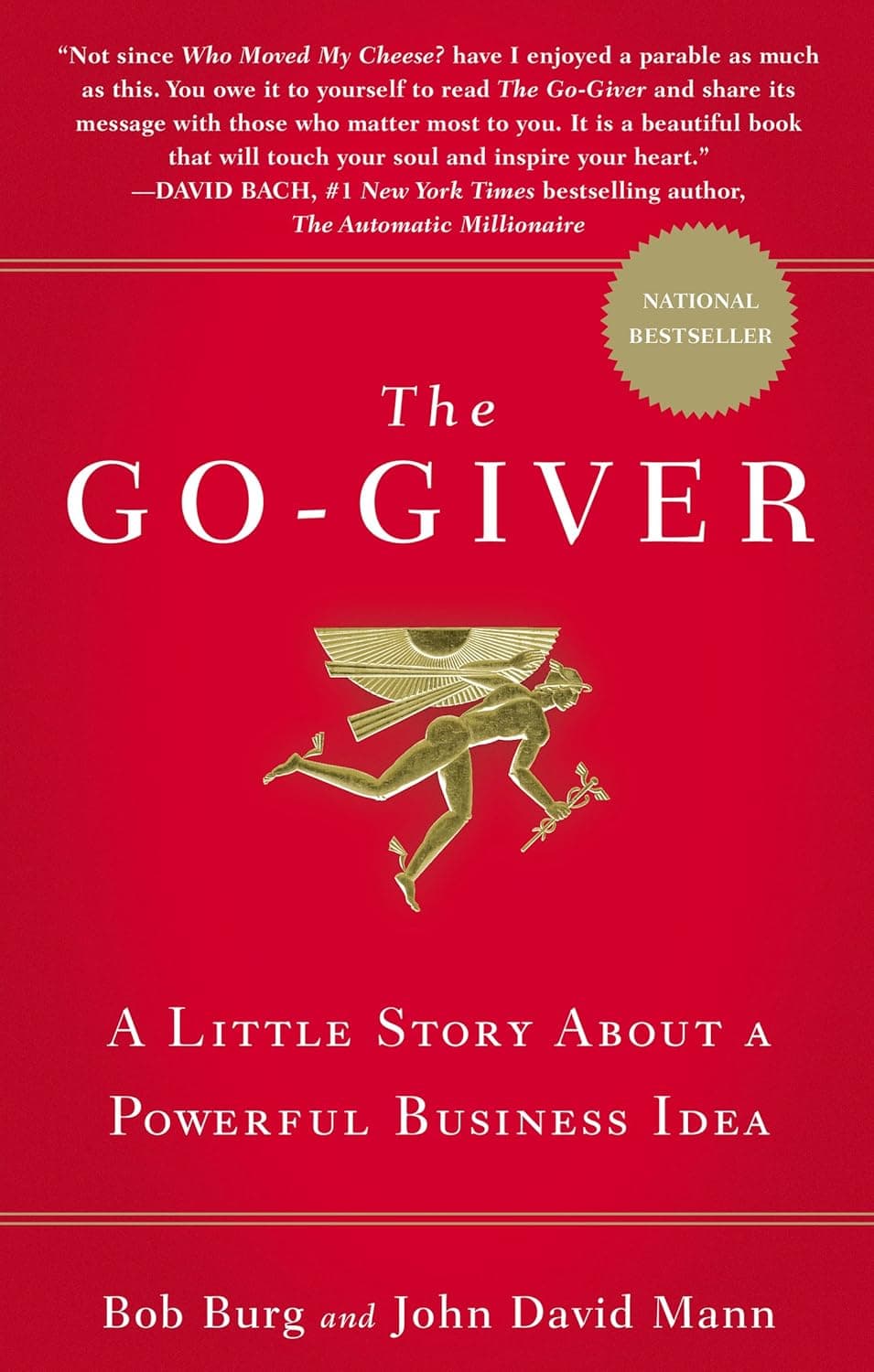
Collaboration over Competition asks whether success is a zero-sum game or a creative process that expands the pie. It reframes negotiation as value-creation rather than point-scoring, testing whether trust, empathy, and shared purpose outperform tactics aimed at beating an opponent. The book suggests that real strength lies in aligning interests, not exploiting weaknesses—an idea at the heart of the authors’ Go-Giver Philosophy of Value Creation. Ultimately, it contends that the most durable wins come when both sides walk away stronger.
How It Develops
The story first establishes the seduction of rivalry. In the opening conflict of the Chapter 1-5 Summary, Jackson Hill and Gillian Waters treat each other as obstacles, leaning on posturing and suspicion. Competitive elders like Walt Hill offer “tricks and tactics” that tighten the win-lose frame, so every move becomes a test of dominance rather than a search for fit.
Midway through the narrative (Chapter 6-10 Summary), mentors intervene to rewire how the protagonists see the game itself. The Coach (George Henshaw) asserts that business thrives on partnership, shifting the goal from victory over the other to value with the other. In parallel, The Judge (Celia Henshaw) grounds Jackson in Empathy and Perspective-Taking, the practical muscles of collaboration: listen for what the other truly wants, and design outcomes that honor it.
By the end (Chapter 11-15 Summary), the adversarial script is replaced with a “third option.” Rather than force a win, Gillian reframes the negotiation as a joint venture, and Jackson meets her with openness. With catalytic support from Elizabeth Bushnell (Mrs. B. / Aunt Elle), they combine strengths into a new entity, proving that collaboration doesn’t soften ambition—it multiplies it.
Key Examples
-
Initial adversarial mindset: Their first meeting is a showcase of posturing—Gillian makes Jackson wait and misnames him, while Jackson considers deploying his father’s aggressive tactics. The scene demonstrates how defensiveness narrows possibilities: both protect leverage instead of exploring shared goals, guaranteeing shallow options.
-
The Coach’s direct teaching: The Coach contrasts sports and business to declare collaboration the true metric of winning. By redefining the “game,” he frees the protagonists from zero-sum constraints and legitimizes cooperation as a high-performance strategy.
-
The Sadaharu Oh metaphor: The Coach cites Oh’s view of pitchers as “partners in hitting home runs,” recasting even opponents as necessary contributors to success. This metaphor invites Jackson and Gillian to treat each other not as threats to outmaneuver but as assets to integrate.
-
The rejection of compromise: The Coach dismisses compromise as a deal where no one gets what they really want, pushing beyond split-the-difference thinking. The story uses this to elevate creative problem-solving—find a solution that fulfills core aims on both sides, not a reluctant midpoint.
-
The final partnership: At the climax, Gillian refuses the easy “win” of cornering Jackson and opts to build together. Their partnership yields more value than either could extract alone, proving that generosity can be strategically superior to dominance.
Character Connections
Jackson Hill and Gillian Waters embody the theme’s arc: they begin as tactical adversaries and end as co-creators. Their shift—from guarding power to sharing it—reveals the internal work required to collaborate: humility, curiosity, and the courage to risk trust. For a wider view of their roles within the cast, see the Character Overview.
Walt Hill and the Corner Office SVP serve as foils. Walt’s techniques (“The Flinch,” “The Takeaway”) reduce relationships to pressure systems, promoting control over understanding. The SVP’s cold calculus projects stability but ultimately restricts innovation, illustrating how zero-sum thinking limits both insight and upside.
The Coach and The Judge catalyze the protagonists’ transformation. The Coach articulates collaboration as a performance principle, while the Judge equips the emotional infrastructure—empathy, perspective-taking—that makes joint creation possible. Their eventual marriage reveals that strategy and empathy are not competing philosophies but complementary engines of the same collaborative practice.
Elizabeth Bushnell (Mrs. B.) models resource-backed partnership. She invests not to own outcomes but to unlock them, embodying a collaborative capitalism in which capital, wisdom, and goodwill align to produce a win bigger than any single stakeholder’s gain.
Symbolic Elements
The “third option” symbolizes the escape hatch from binary thinking. It marks the moment when the protagonists stop asking “Who wins?” and start asking “What can we build?”—a mental pivot that births abundance.
The final partnership—Angels Clothed in Fur, LLC, with Gillian as managing partner and Jackson as product visionary—materializes collaboration as structure. Titles, equity, and roles are arranged to amplify complementary strengths, turning philosophy into an operational reality.
The mentors’ marriage is a living emblem of the theme. Strategy (The Coach) and empathy (The Judge) are wed, suggesting that sustainable collaboration depends on both clear value creation and genuine human understanding.
Contemporary Relevance
In a polarized world, collaboration offers a practical counter to scarcity thinking—in business ecosystems, it shows up as stakeholder capitalism, strategic alliances, and empathetic leadership cultures that privilege shared value over internal turf wars. Startups and incumbents alike increasingly grow by partnering across supply chains and communities rather than trying to dominate them. The book’s blueprint—listen deeply, design for mutual gain, and refuse false binaries—translates beyond commerce to politics, civic life, and personal relationships, where progress hinges on building bridges instead of winning standoffs.
Essential Quote
“Good question. In sports, winning is about competition, right? In business, winning is about collaboration.”
This line reframes the scoreboard, shifting success from defeating others to creating value with them. By distinguishing arenas—competition for games, collaboration for enterprises—the story licenses readers to replace defensive postures with inventive partnerships, where the biggest wins are shared.