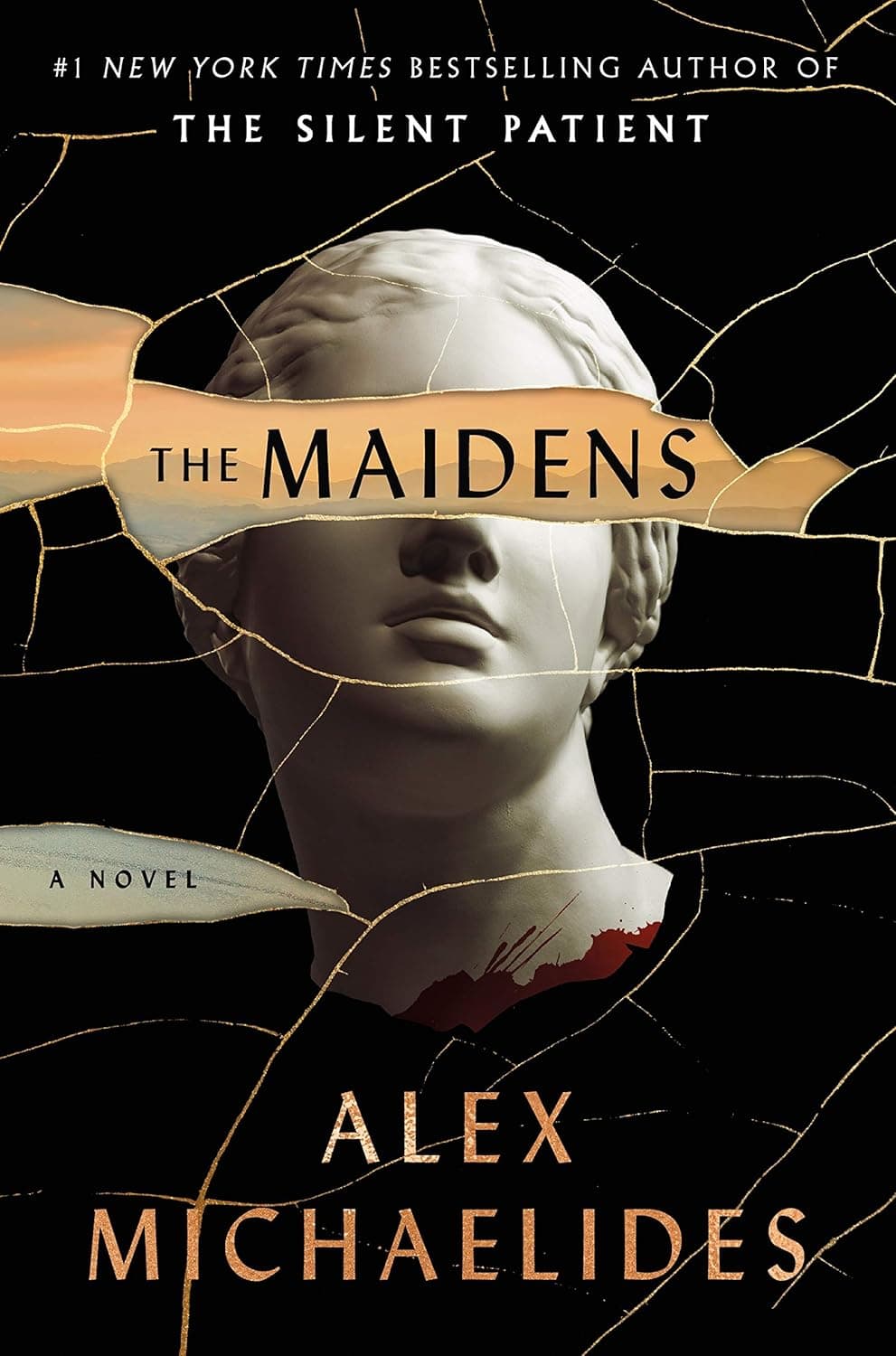
Opening
Haunted by loss yet pulled toward the truth, Mariana Andros navigates suspicion, secrecy, and mythic shadows at Cambridge. Across Chapters 16–20, a reluctant visitor becomes a determined investigator as grief sharpens into resolve and Professor Edward Fosca emerges as a glittering, unsettling focal point of the mystery.
What Happens
Chapter 16
At the station, Mariana meets Conrad Ellis alongside the police psychologist, Julian. The police lean hard on Conrad as their prime suspect: he has no alibi, and the pressure is palpable. Yet Conrad appears soft-spoken and bewildered more than violent, and he speaks about Tara Hampton with raw heartbreak, calling her friends “the witches.”
When Mariana asks about Professor Edward Fosca, Conrad quietly confesses two things: he has sold drugs to Fosca, and he believes Fosca “fancies” Tara. Julian abruptly shuts the interview down. Outside, he dismisses Conrad’s tears as self-pity and minimizes Fosca’s drug use. His clipped coldness—and his push to get a drink with Mariana—leaves her uneasy, disturbed by the unkind look in his eyes.
Chapter 17
Mariana and Zoe attend Tara’s memorial in the college chapel. The ceremony cracks open Mariana’s own Grief and Loss, stirring memories of her husband Sebastian’s death: the shock, the blame, the helpless rage. She recalls trying to impose meaning on meaningless tragedy, imagining a jealous Persephone stealing him away—a private mythology that aligns with Greek Mythology and Tragedy.
Then Fosca enters with six young women in white. The sight crystallizes Conrad’s “witches”—The Maidens. Overwhelmed, Mariana slips into the misty courtyard and whispers Sebastian’s name to the night sky. Silence answers, and her isolation sits heavy, a hollow center she cannot escape.
Chapter 18
Outside the chapel, Mariana tells Zoe she thinks Conrad is innocent. Zoe pushes for action—break into Tara’s room, find the truth—while Mariana urges restraint and deference to the police. Their friction spikes when Zoe invokes Sebastian: he would have stayed. Mariana counters that she isn’t him. Zoe’s reply lands like a judgment: “You’re not.”
Sensing that Zoe hides something, Mariana presses—until Fosca and The Maidens draw near. Fear flashes in Zoe’s eyes. Fosca’s condolence is smooth and solicitous, a polished performance that embodies Appearance vs. Reality. He knows about Sebastian’s death too, which disarms Mariana. Then, as quickly as they arrive, Zoe makes an excuse, and Fosca vanishes—leaving suspicion in his wake.
Chapter 19
Mariana seeks out her former tutor, Professor Clarissa Miller. Clarissa praises Fosca’s intellect but keeps distance; she confirms he tutored Tara and had flagged her as troubled and slipping academically. As they discuss the murder, Clarissa introduces the Greek notion of menis—divine, frenzied rage—to name the kind of fury that could spill into violence.
Clarissa urges Mariana to stay: as a group therapist and alumna, her insight could prove vital. Talk turns to widowhood. Clarissa quotes Tennyson—“Behind the veil, behind the veil”—and gifts Mariana a leather-bound copy of In Memoriam, a book that once steadied her through grief.
Chapter 20
Mr. Morris, the head porter, settles Mariana in a guest room, hinting at a wilder side to Tara and her friends—their parties, their provocations—and suggests a “bedder” might know the real stories. Alone, Mariana opens In Memoriam. Tennyson’s voice echoes her own path: love discovered at Cambridge, then shattered by sudden death. The famous lines, “‘Tis better to have loved and lost / Than never to have loved at all,” break something open.
Tears come—then clarity. She has been running. Sebastian would have wanted courage, not retreat. With a steadying sense of duty, Mariana commits to staying at Cambridge and investigating Fosca, honoring Tara with a “debt of honor” to seek the truth.
Character Development
Grief stops being a sinkhole and becomes a compass. These chapters pivot the story from passive mourning to active pursuit, reshaping relationships and sharpening suspicions.
- Mariana Andros: Moves from avoidance to action. The chapel’s emotional rupture and Tennyson’s solace transform her into the novel’s investigator, morally bound to Tara and newly clear-eyed about fear versus responsibility.
- Zoe: Reveals a visceral fear of Fosca and guards secrets that complicate her plea for help. Her rebuke—refusing to let Mariana retreat—pushes Mariana toward resolve.
- Edward Fosca: Enters as charisma embodied—cultured, tender, informed—and immediately becomes a paradox: admired scholar and potential predator, center of worship and orbit of fear.
- Conrad Ellis: Appears vulnerable and sincere, casting doubt on his guilt while redirecting suspicion toward Fosca.
- Julian (police psychologist): Professional veneer, unsettling undertow. His dismissal of emotion and pushiness with Mariana hint at power dynamics and blind spots within the investigation.
Themes & Symbols
Grief and Loss shapes every choice. The memorial dismantles Mariana’s defenses, and In Memoriam gives language to a pain she can finally face. Grief here is cyclical, not curable; its force becomes purpose when confronted rather than avoided.
Appearance vs. Reality runs through Fosca’s performance and Cambridge’s sanctity. White dresses, chapel light, academic polish—each façade masks dread, desire, and danger. The women around Fosca look like muses, but they function like a cordon.
Greek Mythology and Tragedy reframes modern crime in ancient patterns. Mariana’s Persephone story externalizes her longing for meaning, while Clarissa’s menis points to rage as both mythic and human—an engine that can drive ritual, violence, or both.
Symbols:
- In Memoriam: A mirror and a map. It validates Mariana’s loss and catalyzes her shift from mourning to mission, suggesting art as a bridge through despair toward ethical action.
Key Quotes
“The witches.”
- Conrad’s name for Tara’s circle foreshadows ritual, secrecy, and exclusion. It casts The Maidens as a closed order around Fosca, tinged with menace beneath their purity and poise.
“I’m not Sebastian.” / “You’re not.”
- This exchange exposes the rift between courage and avoidance. Zoe’s challenge forces Mariana to confront how grief has governed her choices—and to choose differently.
“‘Tis better to have loved and lost / Than never to have loved at all.”
- Tennyson reframes loss as a testament to love’s worth, not a reason to withdraw. For Mariana, the line becomes permission to act: embracing pain as evidence of love and a mandate to seek justice.
Why This Matters and Section Significance
These chapters ignite the plot’s true engine: Mariana chooses the role of investigator. Tara’s death brings her to Cambridge, but In Memoriam and the chapel’s shattering grief anchor her to the case. Fosca crystallizes as her prime suspect; The Maidens emerge as an alluring, perilous constellation; Cambridge reveals itself as both sanctuary and stage for hidden darkness.
Internally, Mariana’s struggle fuses with the external mystery. Her vulnerability sharpens her empathy and her suspicion, complicating her reliability while making her pursuit emotionally urgent. The story now moves with dual momentum—psychological and procedural—toward uncovering whether Fosca is a projection of Mariana’s pain or the architect of a carefully veiled horror.