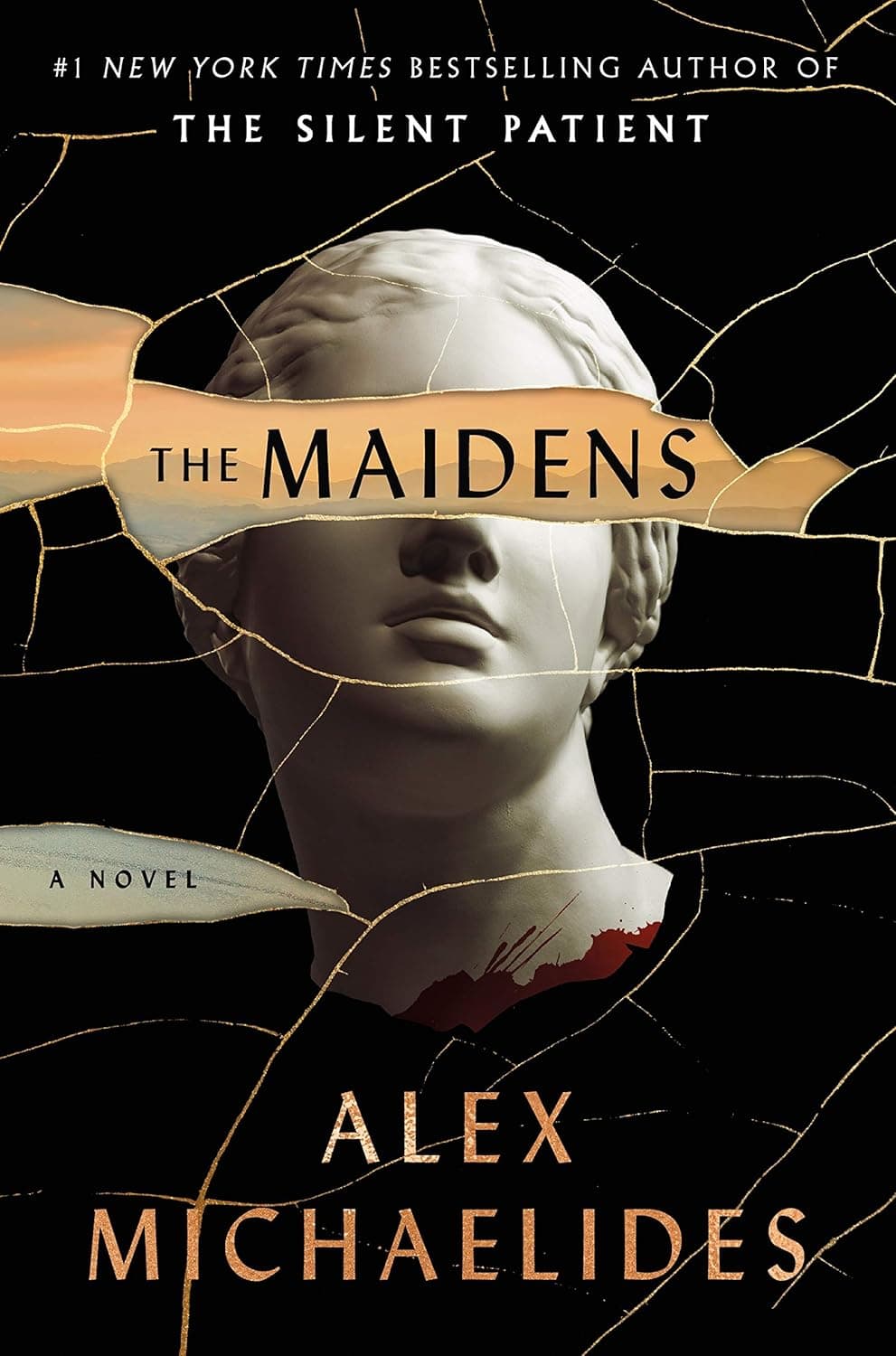
What This Theme Explores
Greek Mythology and Tragedy in The Maidens is not mere ornament; it is the novel’s grammar for understanding grief, guilt, and violence. The story borrows the architecture of classical tragedy—fate, hamartia, hubris, and sacrifice—to ask whether ancient scripts still govern modern lives. It probes how people adopt mythic roles to make sense of trauma, and how those roles can seduce them into reenacting harm in the name of destiny. Most dangerously, it shows how tragedy’s grandeur can rationalize cruelty, turning “fated sacrifice” into a mask for obsession and control.
How It Develops
From the opening chapters, the mythic frame is seeded through setting and origin. Mariana Andros’s Greek heritage and widowhood bind her to the Demeter-Persephone story: her husband Sebastian dies on Naxos after she prays at a Demeter and Persephone temple, and her grief takes on a ritual, wintry intensity (see Chapter 6-10 Summary). Cambridge itself becomes a secular polis where tragedy can unfold, while Professor Edward Fosca’s scholarship supplies a respectable, academic gateway into the underworld of the plot. As murders begin, their ritual signatures hint that someone is staging a script older than the college.
In the middle movement, myth stops being background and becomes operational. Fosca’s lectures on Eleusis and the descent to Hades map eerily onto the victims and the investigator’s descent, turning pedagogy into prophecy (see Chapter 46-50 Summary). The revelation of “The Maidens,” a secret society named for Persephone, collapses metaphor into practice. Postcards quoting Euripides arrive like oracular decrees, recasting the killings as sanctioned sacrifices rather than crimes (see Chapter 26-30 Summary).
By the end, the theme consummates itself in a self-conscious tragic enactment. Zoe confesses that she and Sebastian orchestrated the murders as offerings—a perverse “labor of love”—casting herself as a Medea or Clytemnestra who avenges and purifies through blood (see Chapter 81-83 Summary). The folly becomes a stage-altar for the final reckoning, and the characters’ belief in mythic necessity seals their fates, completing a cycle that the novel has been rehearsing from its first invocation.
Key Examples
-
Mariana’s personal myth: Mariana interprets Sebastian’s death through Demeter’s bereavement, transforming private pain into sacred winter. The myth offers her a language equal to her loss, but it also tempts her to read coincidence as curse and investigation as pilgrimage.
She would shut her eyes and think of the ruined temple on Naxos—the dirty white columns against the blue sky—and remember her whispered prayer to the Maiden—for their happiness, for their love. Was that her mistake? Had the goddess somehow been offended? Was Persephone jealous? Or perhaps she fell for that handsome man at first sight, and claimed him, as she herself had once been claimed, taking him to the Underworld? The passage shows how myth turns grief into a cosmic narrative, empowering Mariana to search while narrowing what she is willing to see.
-
Fosca’s lectures as chorus: His talks on Eleusinian initiation, descent, and rebirth comment on the action while normalizing sacrificial logic.
"This journey Persephone goes on—from life to death and back again—gave birth to the cult of Eleusis. And there, at Eleusis, at the entry point to the Underworld, you too could take part in this secret rite—that gives you the same experience as the goddess." The rhetoric flatters listeners into identifying with divine suffering, legitimizing transgression as a step toward revelation.
-
The tragic postcards: Euripidean quotations arrive before each murder, converting threats into fate pronounced by an oracle.
“‘The oracles agree: in order to defeat the enemy and save the city … a maiden must be sacrificed—a maiden of noble birth—’... ‘must be sacrificed to κόρῃ Δήμητρος…’” By reframing murder as civic salvation and ritual duty, the sender cloaks choice as destiny and violence as purification.
-
The Maidens as cult: The society’s initiations, staged at the folly, mimic ancient rites of symbolic death and rebirth. This performance of myth grants participants a glamorous moral exemption, making it easier to cross from playacting into real harm.
Character Connections
-
Mariana Andros: As a contemporary Demeter, Mariana channels grief into a determined descent through Cambridge’s underworld. Her sensitivity to myth sharpens her instincts but also predisposes her to read events as fated, blinding her to mundane explanations and making her susceptible to narratives of necessary sacrifice.
-
Zoe: The consummate tragic avenger, Zoe weaponizes myth to ennoble vengeance. By aligning herself with Medea and Clytemnestra, she rebrands personal envy and pain as righteous ritual, proving how the grandeur of tragedy can license intimate brutality.
-
Edward Fosca: A charismatic teacher who postures as a god among initiates, Fosca manipulates myth’s authority for power. He functions as a red herring and a false divinity: a man who curates an aura of ritual significance while diverting attention from the banal origins of evil.
-
Sebastian: Posthumously revealed as the Agamemnon of this drama, Sebastian coordinates sacrifice for gain and possession. Casting himself in a tragic register distances him from the cruelty of his choices, turning greed and desire into “inevitable” offerings.
Symbolic Elements
-
Cambridge University: The cloistered colleges echo a Greek polis—insular, rule-bound, and theatrical—where private passions become public spectacles and judgment arrives in ritualized forms.
-
The Folly: A neoclassical shrine at the city’s edge, the folly is a liminal threshold between order and wildness, life and death. As the setting for initiations and the finale, it literalizes the stage-altar where roles are assumed and fates decided.
-
The Swan: Elegance masking predation, the swan recalls Zeus’s seductive violence. Its recurrence signals beauty as a lure and divinity as a cover for exploitation.
-
The Pinecone: Borrowed from Eleusinian symbolism of fertility and rebirth, the pinecone’s use as a calling card corrupts renewal into annihilation. It exposes how spiritual awakening can be counterfeited to sacralize murder.
Contemporary Relevance
The novel anticipates how people today script their identities with grand narratives—political, spiritual, mythic—to metabolize trauma and justify action. In an era of charismatic influencers and closed communities, its portrait of a leader cloaking desire in ritual speaks to the mechanics of cults and ideological echo chambers. The book’s tragic lens warns that when stories promise transcendence through suffering, they can make cruelty feel sacred, trapping people in cycles of reenacted pain rather than leading to catharsis or understanding.
Essential Quote
“‘The oracles agree: in order to defeat the enemy and save the city … a maiden must be sacrificed—a maiden of noble birth—’... ‘must be sacrificed to κόρῃ Δήμητρος…’”
This citation distills the theme’s danger: prophecy reframes murder as communal salvation, shifting agency from perpetrator to “fate.” By invoking Demeter’s daughter, the killer exploits the aura of sacred tradition to anesthetize moral judgment, transforming private violence into a public rite that seems tragically, and seductively, necessary.