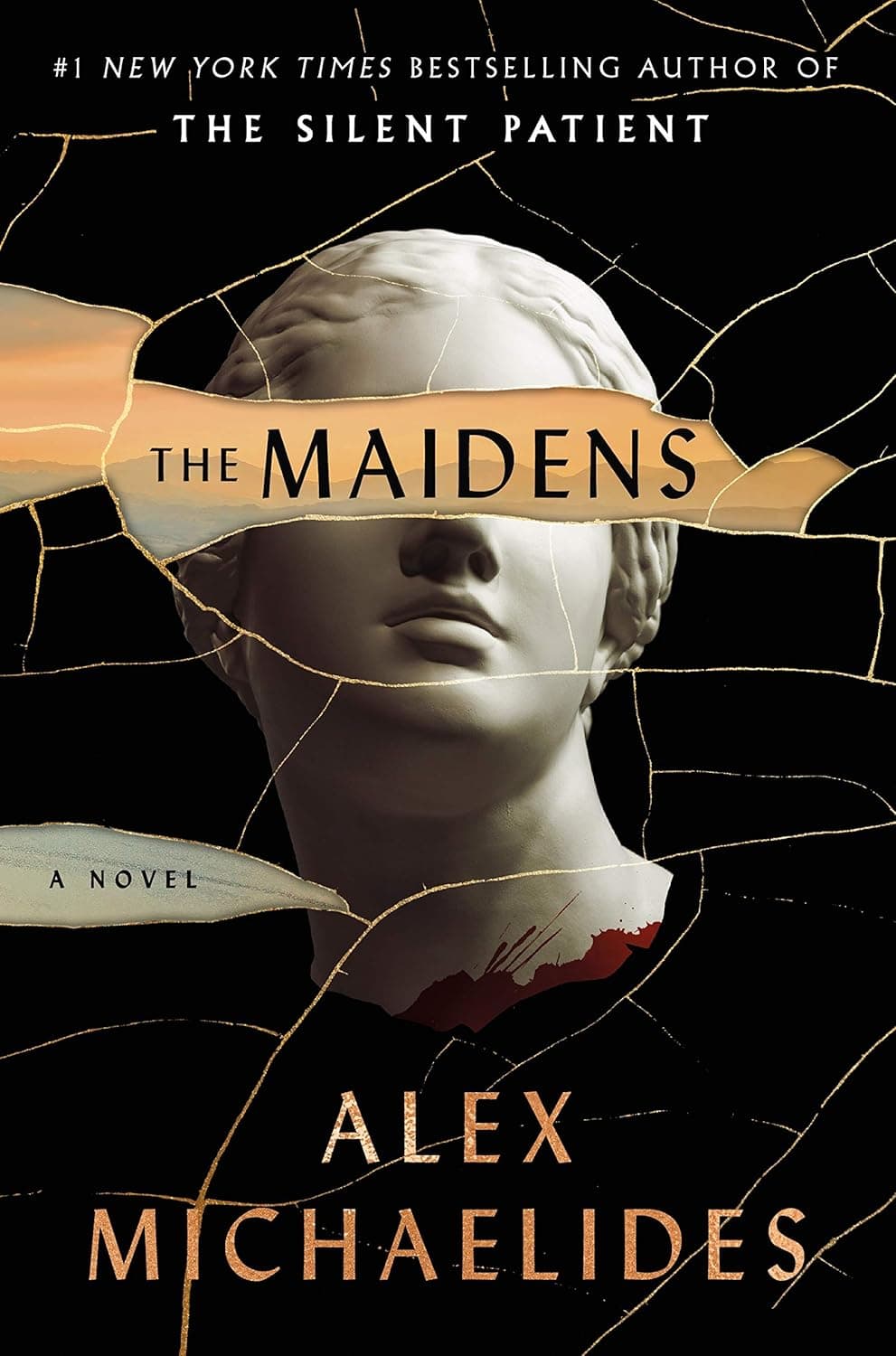
Opening
A hidden postcard turns a murder investigation into a myth-soaked ritual. Mariana Andros uncovers a chilling clue in Tara Hampton’s room that points straight toward the magnetic professor Edward Fosca and his secret circle of students. As the university grieves, Mariana’s suspicion hardens into obsession—especially when Fosca appears to aim his spectacle directly at her.
What Happens
Chapter 26
Mariana persuades Elsie, the college bedder, to unlock Tara’s room so she can search for anything the police overlooked. The space is luxuriously cluttered—expensive clothes tossed aside, beauty products everywhere—while Elsie narrates her own “motherly” devotion. She brags about buying Tara a stuffed rabbit and hot-water bottle, sneers at Tara’s parents, and paints herself as the girl’s only real caregiver. Mariana smiles and nods, but she’s counting the seconds until she’s alone.
Once Elsie leaves, Mariana combs through drawers and boxes—lipsticks, rolling papers, old school photos, bracelets, a tangle of mementos. The intimacy of the task nauseates her: how quickly a life collapses into objects, as with Sebastian. Defeated, she looks up—and sees it: a postcard pinned above the desk, Titian’s Tarquin poised to assault Lucretia. On the back, four lines of handwritten Ancient Greek.
Chapter 27
Mariana brings the postcard to her former tutor, Clarissa. Clarissa recognizes the lines immediately—Euripides’ The Children of Heracles—and translates: the oracles demand that to save the city, a “maiden of noble birth” must be sacrificed to the “daughter of Demeter,” Persephone. Mariana chills at the echo of Tara’s death and the invocation of Persephone, the goddess she half-believes presided over Sebastian’s fate.
When Mariana pushes for meaning, Clarissa waves it off as coursework. Tara’s class was reading Euripides; plenty of students scribble quotations. Then Clarissa drops the crucial thread: the professor teaching the course is Edward Fosca. She praises his brilliance and mass appeal—and adds, almost as an afterthought, that he’s director of studies for Mariana’s niece, Zoe.
Chapter 28
Mariana treats Zoe to an extravagant lunch, hoping to buoy her and gather intel. Their talk skids from grades to love—Zoe shrugs that it “only brings sorrow”—and the mention of Sebastian stings Mariana into silence. When Mariana mentions Elsie, Zoe scoffs, calling the bedder a stalking “sociopath” who’d been banned from Tara’s room—obliterating Elsie’s nurturing self-portrait.
Mariana reveals the postcard and its translation. Zoe finds it creepy and insists Tara wasn’t into Greek tragedy. Maybe Fosca sent it? Zoe won’t say. When Mariana recalls Sebastian teasing Zoe about a crush on her “American professor,” Zoe snaps—vehement denial, hot and defensive. Mariana clocks the overreaction and wonders what Zoe’s hiding.
Chapter 29
They walk back along the river, grief tugging Mariana toward memories of Sebastian. A ragged swan glides past and fixes Mariana with an eerie stare, then drifts on—a bad omen she can’t shake. Mariana presses again: what does Zoe really think of Fosca? Zoe admits he’s dazzling but always performing—hiding the real man behind a charming mask. His female admirers, she says, are “like a cult.”
Then Zoe names the cult: Fosca’s private study group, an invitation-only “secret society” of chosen women—the Maidens. She keeps her distance; Tara belonged. The connection lands like a thunderclap. Mariana decides they’re going to Fosca’s lecture, which starts in thirty minutes.
Chapter 30
The lecture theater thrums like a concert hall. Fosca makes a dramatic entrance and, instead of beginning, mourns: a tearful tribute to Tara’s “fearlessness,” a call to “go on” in the face of evil. The crowd erupts, enthralled. Mariana, with a group therapist’s eye, sees method in the display—calculated intimacy, manufactured catharsis, devotion secured.
Then the lesson: liminality in Greek tragedy, centered on the Eleusinian Mysteries. Persephone, the Maiden, descent and return, death and rebirth—Fosca speaks of crossing thresholds as he projects Demeter and Persephone. He seems to glance directly at Mariana, a knowing smile touching his mouth, and she feels targeted—her private terror of Persephone and Sebastian’s death paraded onstage. He closes with an ecstatic plea to “participate in the wonder,” and the ovation is tidal. Mariana leaves more certain than ever: he’s guilty.
Character Development
As the evidence grows theatrical, inner fault lines widen. Grief, charisma, and power warp perception—Mariana’s and everyone else’s.
- Mariana Andros: Fixation hardens into conviction. Her private mythology around Persephone and Sebastian bleeds into the case, sharpening insight while clouding objectivity.
- Edward Fosca: A virtuoso of performance—grief as theater, intellect as seduction—he commands a cult-like loyalty that both dazzles and alarms.
- Zoe: Cynical about love, wary of Fosca, and fiercely defensive when pressed. Her revelation of the Maidens reframes the case and hints at secrets she won’t share.
- Elsie: Recast from tender caretaker to intrusive “psycho,” underscoring how witnesses curate their own stories.
Themes & Symbols
Ancient story meets modern campus in a charged fusion of text and ritual. Through the postcard, the Eleusinian lecture, and the secret society, the novel reframes the murders through the lens of Greek Mythology and Tragedy. Sacrifice, descent, and rebirth aren’t just subjects of study—they shape motives and methods, suggesting the killer scripts reality to match myth.
The chapters probe Appearance vs. Reality: Fosca’s public mourning versus private intentions; Elsie’s self-portrait versus Zoe’s account; a university’s elegant surface versus the violence beneath. Devotion calcifies into Obsession and Fixation—the students’ adoration of Fosca mirrors Mariana’s tunnel vision. And beneath everything thrums Grief and Loss: Mariana’s bereavement shapes what she notices, fears, and believes, making every symbol—especially Persephone—personal.
Symbols
- The Postcard (Tarquin and Lucretia): A visual manifesto of male violence; the Greek lines turn it into a ritual calling card.
- The Swan: An ominous, soiled omen—mythic beauty corrupted—reflecting Cambridge’s tarnished serenity.
- Persephone, the Maiden: Duality embodied—spring’s bloom and the Underworld’s queen—mirrored in the Maidens’ name and in the novel’s life/death thresholds.
Key Quotes
“The oracles agree: in order to defeat the enemy and save the city … a maiden must be sacrificed—a maiden of noble birth … must be sacrificed to the daughter of Demeter—to Persephone, that is.”
This translation ties the case to sacrificial myth and elevates Tara from victim to ritual offering in someone’s narrative. Invoking Persephone aligns the murders with descent-and-return imagery—and needles Mariana’s private superstition.
“He’s like a cult.”
Zoe’s verdict captures Fosca’s power dynamic: admiration organized into obedience. It reframes classroom charisma as control, making the Maidens not just a study group but a structure for influence—and possibly coercion.
“If you’re not aware of the transcendent, if you’re not awake to the glorious mystery of life and death that you’re lucky enough to be part of... you might as well not be alive. That’s the message of the tragedies. Participate in the wonder. For your sake—for Tara’s sake—live it.”
Fosca fuses grief counseling with ancient catharsis to sanctify intensity itself. The rhetoric seduces students into emotional extremity while laundering his authority through tragedy’s moral glow—deflection masquerading as wisdom.
Why This Matters and Section Significance
These chapters lock the novel’s core mechanism into place: a charismatic classicist, a handpicked sisterhood, and murders staged within a tragic frame. The postcard supplies the first concrete thread tying myth to method and victim to professor; Zoe’s revelation of the Maidens gives Mariana a target set.
The lecture sequence is the pivot. It showcases Fosca’s ability to enthrall, positions Persephone as the story’s dark lodestar, and deepens Mariana’s instability—she may be profiling a predator, or projecting a grief-script onto him. Either way, the mystery expands into a psychological thriller where belief, performance, and myth decide what counts as truth.