What This Theme Explores
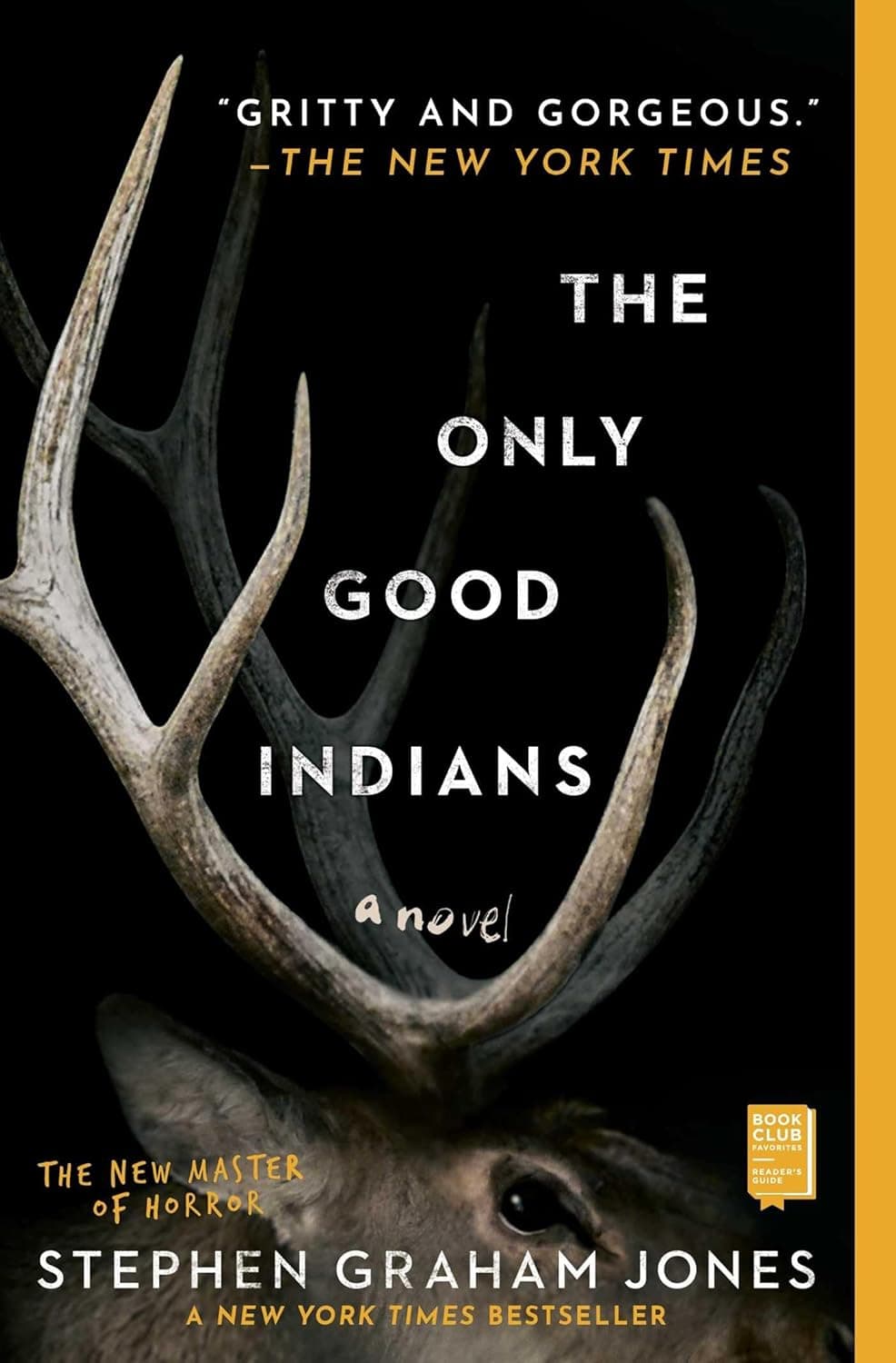
Parenthood, legacy, and intergenerational trauma sit at the center of The Only Good Indians, asking what we owe to those who came before us and to those who come after. The novel probes how private guilt can become communal harm when the rhythms of caretaking—between elders and youth, parents and children, humans and animals—are violated. It shows how violence fractures the natural cycle of inheritance and how fear of passing on damage can be as defining as the damage itself. Crucially, it imagines whether empathy can interrupt the cycle, transforming an inherited burden into a chosen responsibility.
How It Develops
The theme first surfaces in the intimate tensions of Lewis Clarke in the Chapter 1-5 Summary. He and his wife, Peta, decide not to have children, a choice that exposes their competing obligations: Peta’s fear of passing along her mistakes, and Lewis’s sense that he has failed his ancestors by not extending his line. That anxiety is made literal when the spirit of a pregnant elk he once killed begins to haunt him, dismantling his home and attacking his surrogate “child,” the dog Harley. The haunting reframes parenthood as accountability: the life Lewis tried to build is judged by the life he took.
The narrative then flashes back to the origin of the wound in the Chapter 6-10 Summary: an illegal hunt on land reserved for elders. The men’s transgression isn’t only against wildlife law—it breaks a protocol meant to honor those who came before. The slaughter of the pregnant elk, and Lewis’s discovery of her unfinished calf, tears a hole in the generational fabric. Out of that rupture emerges Elk Head Woman, whose maternal rage aims to return pain in kind: if her legacy was stolen, theirs will be too.
In the Chapter 11-31 Summary, the theme shifts to the reservation and the lives of Gabriel Cross Guns and his daughter, Denorah. Denorah’s basketball talent becomes Gabe’s most cherished inheritance—proof that something he nurtured can flourish. Elk Head Woman targets that future, orchestrating a reckoning that claims Gabe and Cassidy Sees Elk while driving Denorah to the brink. The climax reframes inheritance a final time: Denorah refuses to answer violence with violence, protecting the elk mother and her newborn, and in doing so, she revises what her family hands down—not harm, but care.
Key Examples
The novel pairs visceral horror with intimate choices to illustrate how legacies are made and unmade.
-
Peta’s fear of inherited flaws Peta’s decision not to have children is an attempt to arrest a damaging cycle before it begins; she understands inheritance as more than DNA—it’s debt. Her self-denial highlights how love can manifest as restraint, even as it strains her marriage and Lewis’s sense of identity.
She thinks her pre-Lewis self made enough bad decisions of the chemical variety that any kids she had would have to pay that tab, so they’d be starting out with the world stacked against them already.
-
Lewis’s guilt and twisted atonement Lewis’s haunting culminates in a grotesque attempt to “restore” what he stole by forcing a birth through Peta’s body, a scene that weaponizes the very idea of parenthood. His act literalizes the danger of trying to repair a legacy through domination rather than accountability—he replicates the harm he hopes to undo.
-
Gabriel’s legacy in Denorah Gabe’s pride in Denorah reframes parenthood as witness and stewardship: he sees in her skill a future brighter than his own. This tenderness becomes his vulnerability, the precise point Elk Head Woman strikes, showing how love for the next generation is both sacred and perilous.
“Denorah’s like that,” Gabe whispers, like the best secret ever. “Just, better, man. Serious. Browning’s never seen nothing like her.”
-
The unborn calf The image of the “only-wriggling-a-little-bit” fetus concentrates the book’s ethics into a single moment: a future interrupted, a lineage severed. It is this theft—not only of life but of potential—that animates the elk mother’s vengeance and gives the horror its moral spine.
-
Denorah’s choice At the end, Denorah stands between a rifle and the elk mother, refusing to perpetuate a calculus of pain. Her action proves legacy is not fated but crafted: she chooses preservation over payback, and that choice becomes the new inheritance.
Character Connections
Lewis and Gabriel are both fathers—one by absence, one by devotion. Lewis’s childlessness, shaped by fear and resentment, opens him to a counterfeit form of creation driven by guilt; he mistakes control for care and begets monstrosity. Gabe, by contrast, embodies the humble labor of legacy: showing up, bragging about his daughter, placing his own hopes inside her jump shot. Both men reveal how fragile a legacy is when built on pride alone and how easily love can be turned into a target.
Denorah inherits danger rather than safety, yet she refuses to be defined by the harm aimed at her. Her athletic discipline—focus, restraint, reading a court—translates into moral clarity in the woods. She transforms what she’s been handed: not erasing the past, but deciding what to carry forward and what to set down.
Elk Head Woman personifies wronged parenthood and the ruthless logic of equivalence: take my child, and I will take yours. She is terrifying because her grievance is righteous, and the forms of justice available to her are brutal. By forcing the hunters’ children to bear the cost, she exposes how cycles of harm can feel like justice from within the wound—until someone chooses otherwise.
Symbolic Elements
-
The elk calf As both unborn and reborn, the calf embodies a legacy stolen and then tentatively restored. Its survival at the end suggests healing is not a return to what was, but a recommitment to the relationship—care for the future—that was broken.
-
Basketball For Gabe and Denorah, basketball is a living language of excellence, community, and escape. The final “game” against Elk Head Woman turns the court into a ritual space where prowess becomes ethics: poise under pressure becomes mercy under threat.
-
The Thanksgiving Classic hunt Hunting on land reserved for elders symbolizes a rupture with tradition and respect—the men seize privilege meant to honor the previous generation. That theft of position mirrors the theft of the elk’s future, binding cultural disrespect to ecological violence.
Contemporary Relevance
The novel’s curse reads as an embodied metaphor for the ongoing effects of colonialism, dispossession, and cultural suppression in Indigenous communities: a past that remains present until addressed. By giving trauma a face and a purpose, the book insists that harm doesn’t simply dissipate; it finds a route through families, ceremonies, and land. At the same time, it sketches a path forward rooted in empathy, accountability, and protection of what comes next—values that resonate far beyond the reservation, wherever parents fear passing along their wounds and children must decide what to inherit.
Essential Quote
...what she does is slide forward on her bloody knees, placing her small body between that rifle and the elk that killed her dad.
This moment crystallizes the theme: Denorah refuses the arithmetic of revenge, choosing guardianship over retaliation. By protecting the mother who took her father, she asserts that legacy is not a sentence but a decision—one act of care strong enough to break a generational chain.