What This Theme Explores
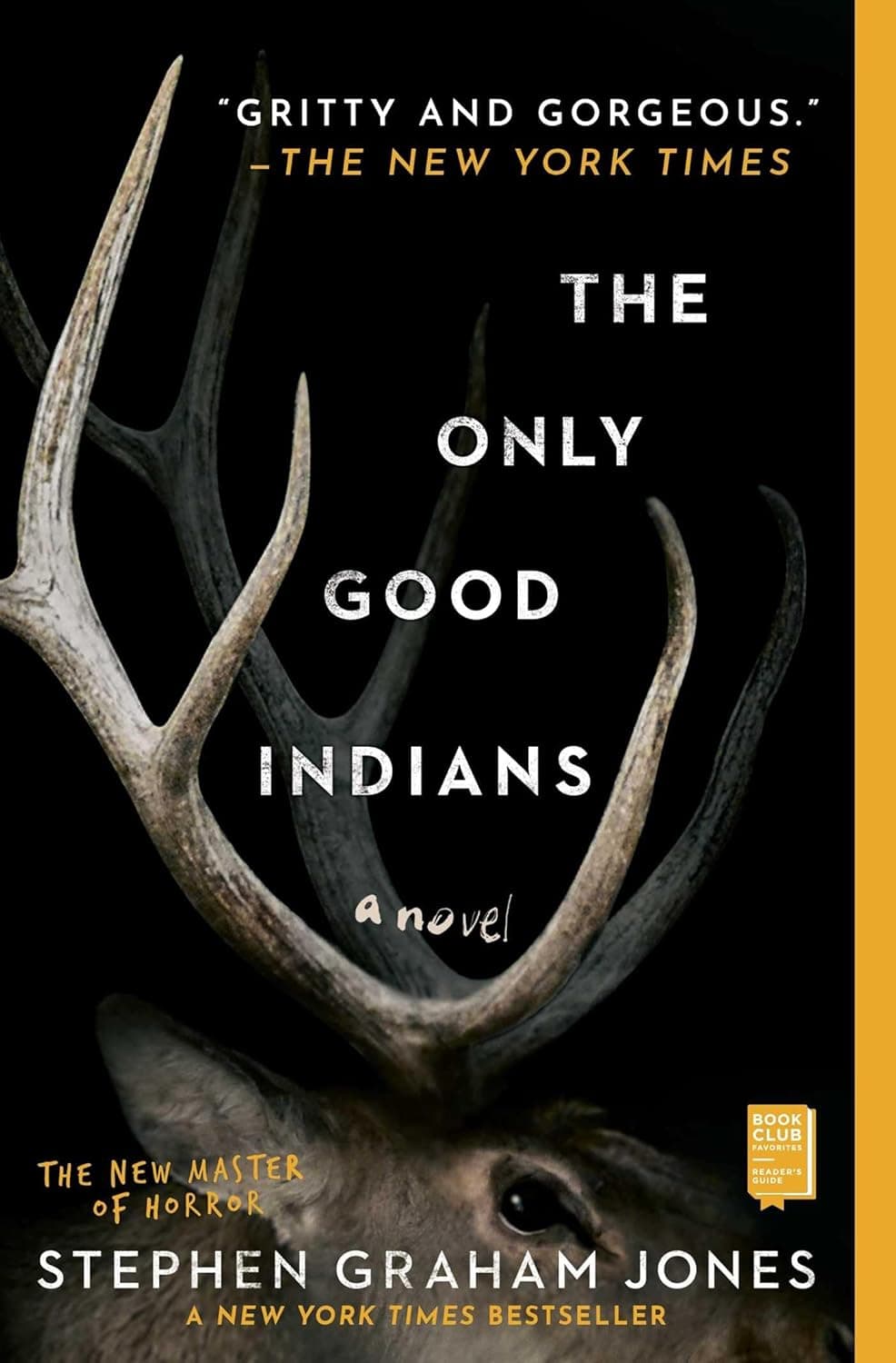
Respect for Nature in The Only Good Indians is not generic conservationism; it is a sacred ethic rooted in Blackfeet tradition that frames the natural world as sentient, remembering, and morally consequential. The novel asks what is owed to nonhuman life when hunting moves from necessity to spectacle, and what happens when reciprocity is replaced by conquest. It treats land and animals as participants in a shared moral order, capable of agency and redress when human beings break covenant. Against modern habits of convenience and erasure, the story insists that the past is not dead to the land—and that the land does not forget us.
How It Develops
The novel opens by breaking the rules that once kept humans in balance with the world they hunt. On the illegal “Thanksgiving Classic,” four young men—Lewis Clarke, Gabriel Cross Guns, Cassidy Sees Elk, and Richard Boss Ribs—trespass on elders’ land and slaughter far more elk than they can use, culminating in the killing of a pregnant cow. Their motives—pride, thrill, and transgression—invert the traditional protocols of permission, gratitude, and restraint. From this desecration, the novel seeds a debt that the world itself will collect.
In the middle movement, nature’s response shifts the story from realism into horror without abandoning ethical clarity. Lewis’s life off-reservation is pierced by visions and sounds that signal the young elk’s memory intruding on modern routines, and Elk Head Woman emerges as the embodied will of the violated herd. She is not a random poltergeist but an intelligence enforcing a principle: life taken without need requires a reckoning. Even the elk’s inherited memory—trauma transmitted across generations—reconfigures the landscape, turning train tracks and clearings into charged spaces where animals adapt, avoid, and remember what humans deny.
The ending supplants domination with care. When Denorah Cross Guns faces Elk Head Woman at the boneyard, she refuses to repeat the men’s choice. By placing herself between a rifle and a mother with her newborn calf, Denorah honors the sanctity of life that the hunt defiled. Her empathy reestablishes a respectful relation—protector rather than predator—and the violence breaks not because nature is appeased by blood, but because someone finally speaks the old language of restraint and reverence through action.
Key Examples
-
The Thanksgiving Classic: The men’s poaching spree violates every tenet of a respectful hunt—trespass, excess, and the killing of a pregnant cow. In treating the massacre as sport, they sever reciprocity and transform sustenance into spectacle, a desecration elaborated in the Chapter 21-25 Summary. This is the primal wound the narrative keeps reopening until a different ethic closes it.
-
Ricky’s death: Cornered between a violent crowd and a silent wall of elk, [Richard Boss Ribs] is trapped by both human and nonhuman judgment, as shown in the Chapter 1-5 Summary. The herd’s presence is not symbolic window dressing; it is an active force constraining outcomes, reminding readers that nature can become a deciding agent when its laws are broken.
-
The Train Massacre story: From Elk Head Woman’s perspective, the remembered slaughter of elk against a passing train in the Chapter 26-30 Summary reveals animal memory as cultural memory. The elk learn and adapt, weaving caution into their routes, while the hunters’ descendants forget. The contrast underlines who honors history—and whose forgetting authorizes new violence.
-
Denorah’s choice: In the boneyard, Denorah witnesses a supernatural birth and chooses to shield mother and calf, defying the game warden’s rifle in the Chapter 31 Summary. She restores the reverence her father’s generation abandoned, recognizing motherhood as sacred across species lines. The cycle ends not by defeating nature, but by finally respecting it.
Character Connections
The four men begin as avatars of rupture. Their youthful bravado replaces Indigenous protocol with ego, and the rest of their lives become a long chapter of consequence—haunted, paranoid, compelled into half-measures that can’t undo what was done. Their arc shows how a single communal breach can stain individual futures, aligning their fates with the novel’s through-line of Guilt and Atonement.
Elk Head Woman is nature’s answer and its memory. She channels maternal grief into a meticulous rebalancing, restoring proportion where excess reigned. By moving through homes, highways, and courtlines, she collapses the boundary between “wild” and “civilized,” insisting that the moral field extends everywhere—an insistence that also intersects with Revenge and Retribution, though her aim is equilibrium, not mere vengeance.
Denorah embodies renewal without naiveté. Her athletic discipline and clarity of judgment translate into ethical courage: she will not inherit her father’s arrogance. In protecting a vulnerable life even when it looks monstrous to others, she models reciprocity as action, not rhetoric—proof that continuity with tradition can be chosen, not just taught.
Symbolic Elements
-
The Elk: More than game animals, they personify the land’s sanctity and continuity. The pregnant cow concentrates the symbol—future, kinship, and the community’s obligation to protect what ensures tomorrow. Violating her collapses time, turning one moment of excess into a multi-generational debt.
-
The Thanksgiving Classic: The joking title is a curse disguised as bravado. It reframes a massacre as entertainment, revealing how language can anesthetize conscience and make sacrilege feel like tradition.
-
The Bone Gully: A landscape scar that remembers. As the site of both crime and restoration, it becomes a shrine and a courtroom, holding bones and choices alike—proof that places can keep score even when people pretend not to.
Contemporary Relevance
The novel mirrors our era’s extractive habits, in which appetite routinely outruns need and the bill arrives in floods, fires, pandemics, and extinctions. “Nature fighting back” here is not fantasy but a moral lens for reading real-world feedback loops, where damaged systems answer in kind. By centering Indigenous ecological knowledge—reciprocity, restraint, gratitude—the book offers an ethic sturdy enough to face climate crisis without retreating into fatalism. It challenges readers to abandon the convenience of forgetting and to live as if the world around us is a partner with claims, not a warehouse without limits.
Essential Quote
When he stood, there was a sea of green eyes staring back at him from right there, where there was just supposed to be frozen grass and distance. It was a great herd of elk, waiting, blocking him in, and there was a great herd pressing in behind him, too, a herd of men already on the blacktop themselves, their voices rising, hands balled into fists, eyes flashing white.
This image binds human anger to nonhuman witness, making the herd an active boundary that determines fate. The eyes in the dark invert the hunters’ gaze: now they are the ones seen, judged, and hemmed in by the moral presence of the beings they wronged. The passage crystallizes the theme’s claim that nature watches—and that when respect fails, the land itself can say no.