Opening
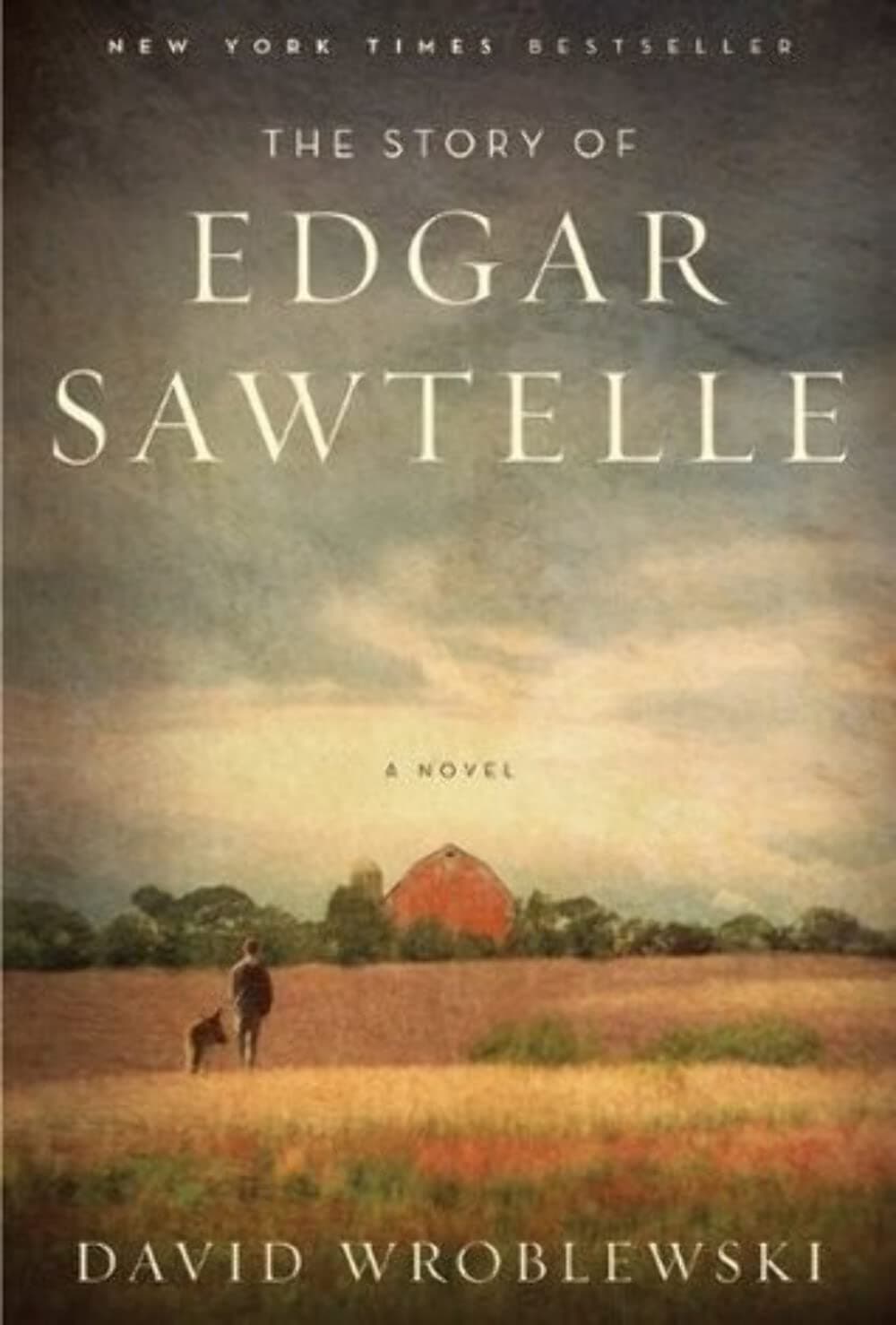
Edgar’s flight pauses on Henry Lamb’s quiet farm, where a haunted shed, a lonely man, and a pack of dogs offer temporary refuge and a glimpse of the life he longs for. The calm doesn’t last: Claude’s plot tightens elsewhere, a storm tears open Edgar’s certainty, and the boy who runs becomes the young man who turns back.
What Happens
Chapter 31: Ordinary
Edgar Sawtelle sets to work clearing the chaos in the shed on the farm of his host, Henry Lamb. The shed stands like a museum of a life that cannot throw anything away. Between sorting and hauling, Edgar cleans Tinder’s injured paw and runs the dogs through drills; the familiar cadence of training becomes lifeline and language. In the dust and dim, a presence gathers. The ghost of the previous owner—a tired farmer—speaks of a wife who kept everything and of the “curse” of being good at work he secretly hates.
That night, Bach’s Goldberg Variations spin on Henry’s phonograph as the two men share dinner. On the porch, Edgar answers in penciled notes on a newspaper, and the conversation opens a window into both men’s inner lives, deepening the theme of Language, Communication, and Silence. Henry confesses that his fiancée, Belva, called him “ordinary,” a wound that drove him to plant sunflowers where corn should be. His most “exotic” memory, he says, is a loaf of bread that fell off a shelf—twice. Baboo sidles close and accepts Henry’s touch, and, later, surrounded by the dogs, Edgar’s guard drops. Domestic quiet tugs at him, and he warns himself not to grow used to it.
Chapter 32: Engine No. 6615
Days blend into work. The farmer’s ghost returns and names the passion he never pursued: trains. He describes the Duluth rail yards and the day he sat in the cab of Engine No. 6615—how the dream flickered, how the tether to the farm cinched him back. His confession mirrors Edgar’s bind: the pull of legacy and duty against the urge to flee.
One evening, Henry drives Edgar and the dogs through dark backroads to reveal his hidden treasure: a rusting 1957 Ford Fairlane Skyliner perched on cinder blocks. He narrates its history as the first retractable hardtop and the future he imagines in its restoration. The car becomes his anti-ordinary talisman, the shed its necessary prelude: room for a different life requires clearing what clings. In the same breath, Henry admits he nearly took Edgar to the police that night—evidence of the peril shadowing their fragile trust. By week’s end, the shed stands empty.
Chapter 33: Glen Papineau
The point of view shifts to Glen Papineau, son of the late Doctor Papineau, who reels through the fog of Grief and Loss. Claude Sawtelle meets him in a tavern, first warming the air with a local legend—the “Hot Mix Duck Massacre”—and a gentle tribute to Glen’s father. He leaves with free veterinary supplies and the goodwill he came to harvest.
Then Claude plants the poison. He says Trudy Sawtelle confided that Edgar was wild and “coming after” Doctor Papineau on the barn stairs, twisting a fall into intent. The lie steers the law and warps memory, a cold exercise in Truth and Deception. Claude murmurs about lawsuits that could ruin the kennel and, as if caring, predicts a day when grief will turn to anger—and invites the call when it does. Glen, emptied and alone, carries away a false last chapter of his father’s life.
Chapter 34: Wind
On the farm, Henry asks to learn the dogs. In a sunlit field, a training session becomes revelation as he feels the pulse of The Human-Animal Bond—not command-and-obey, but mutual attention and shared purpose. Edgar recognizes it as the ineffable thing the Sawtelles breed and teach.
Peace splinters when Henry coaxes Edgar into a daylight drive. At a crossing, they stop beside Belva’s car. She calls out, Henry fumbles through small talk, and Edgar sinks from view just as a State Patrol cruiser edges into the mirror. Fear snaps tight. Edgar decides to leave. Henry offers to drive him to Canada. By morning, they’re northbound, pausing at a secluded cove on Lake Superior. The lake erupts: three waterspouts twist into being as they press themselves into the rock. In a rush of instinct, Essay bolts and faces the largest funnel, barking at the heaving sky. Watching her defy the vastness, Edgar feels the truth: he cannot outrun what hunts him. When the storm thins and the third funnel dies, he scratches a note for Henry: “Let’s turn around.”
Chapter 35: Return
Henry turns not toward home but to Scotia Lake, the first waypoint of Edgar’s escape. Here, Edgar accepts the cost of turning back. He sees how deeply Tinder has bonded with Henry and chooses to leave him. Baboo refuses to leave Tinder, and Edgar must let her go too. With only Essay at his side, he walks into the trees, heart sore, resolve set—his step into Coming of Age and Loss of Innocence.
His purpose shifts from flight to return. He and Essay search for Forte, the wary stray from weeks before. Camped by the water, Edgar tosses fish to the tree line until the dog edges near, and Essay bridges the last gap. In the quiet, Edgar admits the mistake of running. He thinks of home and Almondine, and of the only currency he truly has—his life—and where to spend it. With Forte now trailing them, Edgar and Essay leave the lake and set their path back to the farm.
Key Events
- Edgar works Henry’s farm, tends Tinder’s injury, and re-establishes trust with the dogs while encountering the farmer’s ghost.
- Henry confides his fear of being “ordinary,” shares music and stories with Edgar, and reveals the rusted Skyliner as a symbol of potential.
- The shed is cleared; elsewhere, Claude manipulates Glen with a fabricated account of Doctor Papineau’s death.
- A near encounter with the police pushes Edgar to leave; a violent storm and Essay’s defiant stand lead him to reverse course.
- At Scotia Lake, Edgar leaves Tinder and Baboo with Henry, tames Forte’s distrust, and begins the long return with Essay.
Character Development
These chapters crystallize loyalties, strip illusions, and push characters into clearer versions of themselves.
- Edgar: Shifts from fugitive to pilgrim, exchanging fear for resolve. Choosing to leave Tinder and Baboo shows his capacity to sacrifice for what matters.
- Henry: Moves from self-described “ordinary” to purposeful, finding meaning in companionship and the work of care.
- Claude: Drops the mask entirely with Glen, revealing calculated malice and mastery of narrative control.
- Glen: Grief makes him susceptible; he becomes a vector for Claude’s lie, not a villain but a tool.
- Essay: Emerges as undomesticated courage—her charge at the waterspout reflects instinct welded to loyalty.
Themes & Symbols
The tension between truth and the stories people choose to tell drives the plot. Claude’s lie is not just an accusation; it is a weaponized narrative that seeks to isolate Edgar and rewrite communal memory. Against that, Edgar and Henry’s porch conversation models connection without voice—proof that silence can still carry meaning when trust exists.
Ordinary life, longed for and feared, becomes a philosophical hinge. Henry tries to escape the label; Edgar aches for the simplicity he lost. The farmer’s ghost reframes talent as a trap when it doesn’t align with desire, warning Edgar about the weight of legacy. The storm stages fate’s indifference and the grandeur of forces beyond human control, while Essay’s stand insists on the worth of defiance—even when the wind cannot be commanded.
Symbols:
- The Shed and the Skyliner: Past clutter versus possible future; clearing space to make room for transformation.
- The Ghost: Regret incarnate, a caution about lives lived under obligation.
- The Waterspouts: Nature’s volatile power, mirroring inner turmoil and catalyzing Edgar’s decision to return.
Key Quotes
“Ordinary.”
- The label that haunts Henry defines his choices and fuels his small rebellions (sunflowers, the Skyliner). It also contrasts Edgar’s longing for the very normalcy Henry rejects, sharpening the novel’s meditation on what a “good” life is.
“It was my curse.”
- The farmer’s ghost names the paradox of competence without love. His confession presses on Edgar’s inheritance and the risk of letting duty dictate destiny.
“A day will come when your grief turns to anger. Call me.”
- Claude weaponizes mourning, guiding Glen toward rage and away from truth. The line reveals Claude’s predatory patience and shifts the legal and moral landscape against Edgar.
“Let’s turn around.”
- Edgar’s note marks the pivot from escape to agency. It is acceptance without surrender—his choice to face danger rather than live as a shadow.
Why This Matters and Section Significance
This sequence closes the arc of flight and opens the arc of reckoning. Edgar finds temporary safety and genuine kinship, but the storm strips away the fantasy of escape and clarifies his task: go back, face Claude, and reclaim the truth. Parallel to Edgar’s awakening, Claude fixes the trap by converting grief into accusation. The stage is set for a return driven not by fear but by purpose, with new allies (Henry, Forte), hard losses (Tinder, Baboo), and a sharpened understanding of what—and who—Edgar is willing to fight for.