What This Theme Explores
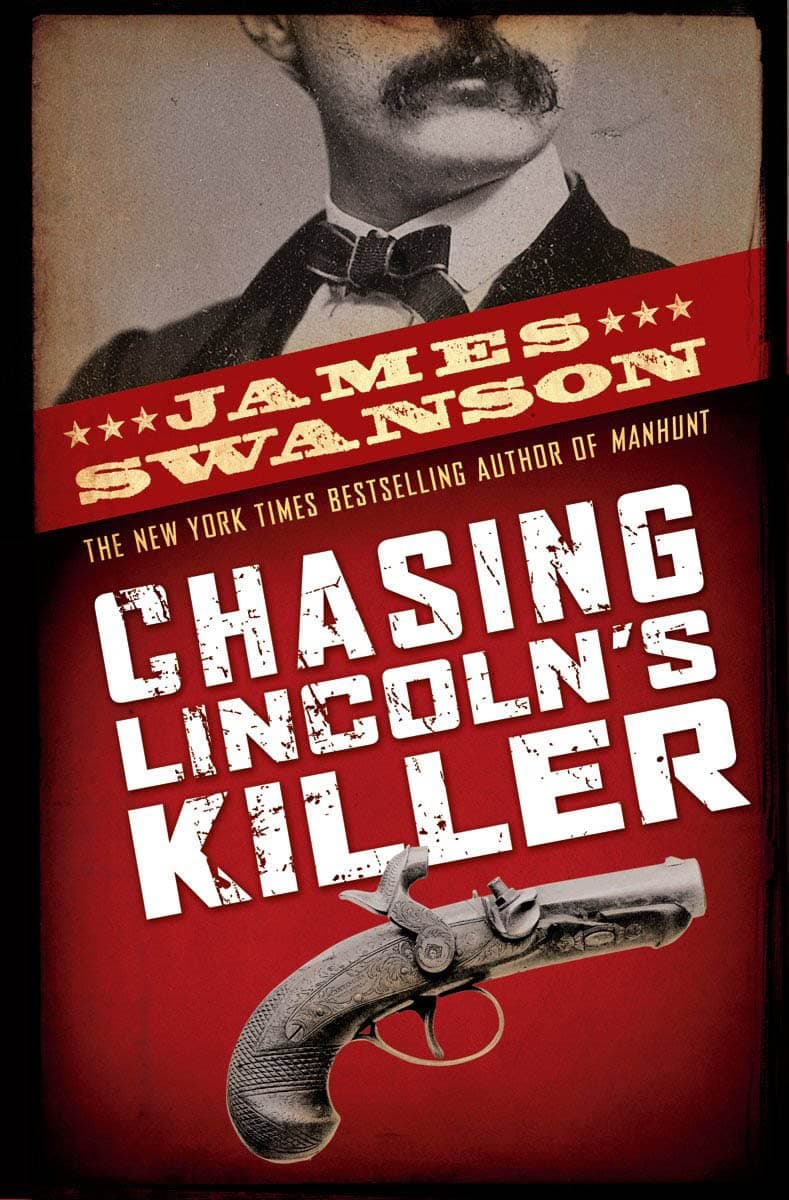
Conspiracy and Betrayal in Chasing Lincoln's Killer probes how grand, coordinated plots rely on fragile human bonds—and how those same bonds often snap under fear, ego, and self-preservation. The conspiracy evolves from a bold kidnapping scheme into a synchronized assassination plan, expanding in scope even as its foundations weaken. Betrayal takes many forms—cowardice, denial, and calculated confession—revealing that ideological zeal rarely outlasts mortal risk. Swanson shows that the downfall of a conspiracy seldom comes from an equal counterplot, but from the human fractures inside it.
How It Develops
The theme first takes shape as John Wilkes Booth assembles a secretive cell to seize Abraham Lincoln. Booth recruits skilled and impressionable operatives—Lewis Powell, David Herold, and George Atzerodt—and builds a scaffold of sympathizers in Mary Surratt and Dr. Samuel A. Mudd. Crucially, the conspiracy is betrayed from within by its architect: Booth unilaterally transforms a kidnapping into a murder plot, binding his followers to a crime many had neither envisioned nor accepted.
On April 14, the plan detonates—and immediately splinters. Booth succeeds at Ford’s Theatre, but Atzerodt loses his nerve and fails to attack the vice president, while Herold abandons Powell amid the chaos of the Seward assault. Even as the killers flee, the operation depends on a different kind of conspiracy: a clandestine network of Confederate sympathizers who offer covert routes, supplies, and shelter.
Under pressure, the web collapses. The manhunt led by Edwin M. Stanton turns allies against one another, and fear accelerates confession. Atzerodt’s statements ensnare his comrades; Mudd shifts from outright lies to half-truths to shield himself; and Confederate contacts—most notably Willie Jett and the Garrett family—deliver the fugitives to Union forces. The conspiracy ends not with triumphant escape but with sealed doors, a burning barn, and betrayals that finalize Booth’s downfall.
Key Examples
- The Kidnapping Plot: Booth first imagines a covert seizure of the president—“kidnap President Lincoln, take him to Richmond, and hold him as a hostage for the Confederacy” (p. 42). His “little band of conspirators, loyal to him and not the Confederacy” (p. 43) underscores how personal loyalty, not institutional backing, is the fragile glue of the scheme.
- The Assassination Plan: Booth escalates to mass political violence, coordinating simultaneous strikes on Lincoln, Seward, and Johnson.
“Tonight, at exactly 10:00 P.M., Booth and his henchmen would throw into chaos the Union government by killing its top leaders... George Atzerodt, Lewis Powell, and John Wilkes Booth would strike simultaneously and murder Vice President Johnson, Secretary of State Seward, and President Lincoln.” (p. 44)
The precision of the timing masks the instability beneath; the more complex the choreography, the more vulnerable it becomes to hesitation and panic. - The Network of Aiders: Mary Surratt’s instruction to have “shooting irons” ready (p. 37) and the covert help of Captain Samuel Cox and Thomas Jones (p. 113) reveal a shadow infrastructure sustaining the fugitives. Yet reliance on such a network multiplies the points where secrecy can break and loyalties can shift.
- Herold Abandons Powell:
“That was enough to frighten David Herold into fleeing. He kicked his horse and fled, abandoning Lewis Powell.” (p. 80)
Herold’s panic is a pivotal betrayal: the simultaneous plot instantly becomes an uneven, disjointed effort, exposing how fear can override comradeship. - Mary Surratt Denies Powell:
“Before God, sir, I do not know this man; and I have never seen him and did not hire him to dig a gutter for me.” (p. 128)
Surratt’s denial, delivered at her own boardinghouse, dramatizes how self-preservation unravels conspiracy; the supposed safe haven turns into a stage for repudiation. - Willie Jett Gives Up Booth:
“Conger asked, ‘Where are the two men who came with you across the river at Port Royal?’ Jett betrayed John Wilkes Booth: ‘I know who you want and I will tell you where they can be found.’” (p. 159)
A Confederate ally becomes the decisive informant, proving that the gravest threats to a plot often emerge from within its sympathetic circle. - The Garretts’ Trap: The family that shelters Booth then locks the fugitives in a tobacco barn (p. 162). Hospitality gives way to fear of theft and reprisal, transforming refuge into a prison and crystallizing betrayal as an act of self-defense.
Character Connections
Nearly every figure in the Character Overview navigates the fault line between clandestine loyalty and treachery. Booth embodies the paradox at the center of the theme: the charismatic mastermind who demands fidelity while betraying his own recruits by shifting the mission to murder and signing their names to his confession. His plot depends on devotion yet is ultimately undone by the very human weaknesses—cowardice, calculation, and fear—he arrogantly overlooks.
David Herold personifies fickle allegiance. He deserts Powell in a moment of terror but adheres to Booth through days of flight, showing how loyalty in a conspiracy can be situational rather than principled—a function of proximity, fear, and reliance on a stronger will.
George Atzerodt’s refusal to act and later confessions expose the conspiracy’s fragility. His initial failure creates a structural imbalance in the plan; his subsequent cooperation with authorities widens the cracks into fissures, demonstrating how interrogation and fear convert conspirators into witnesses.
Mary Surratt straddles conspiracy and betrayal: courier and host in the buildup, denier in the aftermath. Her swift public disavowal of Powell at her own doorstep compresses the theme into a single moment—allegiance yielding to survival when scrutiny arrives.
Dr. Samuel A. Mudd moves through shades of complicity. His early aid to Booth ties him to the conspiracy, but his shifting statements—lies followed by partial truths—reveal a man attempting to hedge loyalties, a moral equivocation that accelerates the plot’s exposure.
Thomas Jones stands out as a disciplined conspirator whose loyalty never wavers even under arrest. His steadfast silence highlights how rare unbroken loyalty is—and, by contrast, how decisive betrayal becomes when others falter.
Symbolic Elements
Mary Surratt’s Boardinghouse: The conspiracy’s nerve center becomes the site of its exposure. When detectives raid it and Powell blunders in, the hub of secret planning turns into a stage for denial and capture, symbolizing a plot collapsing under its own weight.
The Pine Thicket: This hidden refuge signifies total dependence on clandestine allies. Its isolation buys time but also underscores vulnerability; cut off from broader support, the fugitives inhabit a sanctuary that doubles as a trap.
The Tobacco Barn: Offered as shelter, it becomes a cell when the door is barred. Its eventual burning visualizes the annihilation of the conspiracy, with betrayal literally enclosing and consuming its leader.
Contemporary Relevance
Swanson’s account mirrors modern patterns of extremist cells and criminal networks: charismatic leaders recruit for grand designs, small teams rely on covert aid, and pressure fractures loyalty long before law enforcement deciphers every secret. The chain of betrayals—from hesitation to denial to active informing—resembles the implosions of contemporary terror plots and organized crime, where insiders, not technology, prove most decisive. The book reminds us that even in an era before digital surveillance, the greatest vulnerability in any conspiracy is the human heart.
Essential Quote
“Tonight, at exactly 10:00 P.M., Booth and his henchmen would throw into chaos the Union government by killing its top leaders... George Atzerodt, Lewis Powell, and John Wilkes Booth would strike simultaneously and murder Vice President Johnson, Secretary of State Seward, and President Lincoln.” (p. 44)
This declaration captures the conspiracy at its apex—precise, synchronized, and grandiose—while foreshadowing its ruin. The very simultaneity that promises decisive impact also multiplies failure points, and each man’s wavering or flight exposes how brittle coordinated violence becomes when tested by fear.