What This Theme Explores
The “Lost Cause” and Southern honor in Chasing Lincoln’s Killer explores how a romanticized postwar mythology turns defeat into a supposed moral victory, sanctifying violence as “honor” and rebranding treason as tragedy. In this worldview, the Union—and especially Abraham Lincoln—becomes a tyrant to be struck down, while the Confederacy’s aims are ennobled and purified by loss. For believers like John Wilkes Booth, honor is inseparable from spectacle: the righteous act must be public, dramatic, and unflinching. The theme asks whether “honor” can justify violence, and shows how such ideals—rooted in racism and grievance—warp memory, motive, and moral judgment.
How It Develops
Swanson establishes the ideological backdrop immediately: even after Appomattox, many Southerners “were unwilling to give up the lost cause” (page 6). Into this climate steps Booth, the vain actor who experiences the fall of Richmond and Lincoln’s embrace of Black citizenship as personal affronts to Southern manhood. His solution is not political persuasion but theatrical tyrannicide—an assassination staged to read as honor redeemed and history corrected.
The story then widens from Booth’s private vow to the public machinery that keeps his fantasy alive. As he flees, sympathizers—including Dr. Samuel A. Mudd, Captain Samuel Cox, and Thomas Jones—risk their safety to shelter and guide him, not for money but from allegiance to a defeated nation they refuse to relinquish. Their quiet acts of aid turn the Lost Cause from rhetoric into practice, showing how ordinary households and backwoods routes become an underground of loyalty.
The theme culminates at the Garrett farm, where Booth rejects surrender and calls for “honorable” combat, clinging to the script of the noble rebel even as the barn burns around him. His last words—“Tell Mother, I die for my country”—complete the performance of martyrdom (pages 161, 165). Swanson then strips away the illusion: in the Epilogue, he deems Booth a “failure” who neither reawakened the South nor restored slavery, underscoring the emptiness and destructiveness of this ideology (page 194).
Key Examples
-
Booth’s motivation: Swanson traces Booth’s obsessions to “Southern honor…and the romance of lost causes” (page 15). After Lincoln proposes Black suffrage, Booth’s ideological fury hardens into a vow of violence:
“Now, by God, I’ll put him through.” (page 11)
The moment reveals how Lost Cause grievance fuses with racism, turning political change into a supposed insult that only blood can answer. -
The assassination as performance: At Ford’s Theatre, Booth leaps to the stage shouting “Sic semper tyrannis!” and “The South is avenged!”—framing murder as patriotic duty (page 44). The language and staging recast a crime as chivalric resistance, exposing how “honor” becomes a mask for violent spectacle.
-
The sympathizer network: Thomas Jones refuses payment after guiding Booth’s escape, signaling that ideology—not profit—drives his risk.
Jones “refused the gesture, saying that he had not helped him for money.” (page 131)
His refusal turns logistics into loyalty, showing how the Lost Cause persists not only in speeches but in painstaking, clandestine aid. -
Booth’s code of honor: After Dr. Stuart denies him shelter, Booth retaliates with a scornful letter and money for his meal, treating hospitality as a moral test and insult when denied. By policing others’ “honor,” Booth reveals his warped ethic: loyalty to the cause outweighs law, conscience, or prudence (page 139).
Character Connections
Booth is the theme’s purest vessel: an actor who confuses fame with virtue and scripts himself as Brutus of the South. His “honor” demands a spotlight and an audience, so he turns political defeat into a scene that he can control—seeking absolution through grandeur rather than grappling with the Confederacy’s moral rot.
Mudd embodies conflicted complicity. As a slaveholding sympathizer, he initially responds with neighborly aid and Confederate loyalty, but when the cost becomes clear, he stalls and lies to protect himself. His vacillation shows the limits of honor when it collides with legal peril—how private allegiance crumbles under public accountability.
Jones and Captain Cox represent the disciplined, underground face of the Lost Cause. Former Confederate operatives, they eschew grand gestures for quiet efficiency, proving that devotion can be logistical as well as rhetorical. Their steadiness grants Booth’s fantasy a few more miles, even as history is closing the door.
The Garretts reveal how Southern “honor” fragments under stress. They welcome a supposed wounded soldier, but suspicion over stolen horses and fear for their household lead them to lock Booth in the barn and summon help. Hospitality yields to self-preservation, illustrating how the code collapses when property and safety are at stake.
Symbolic Elements
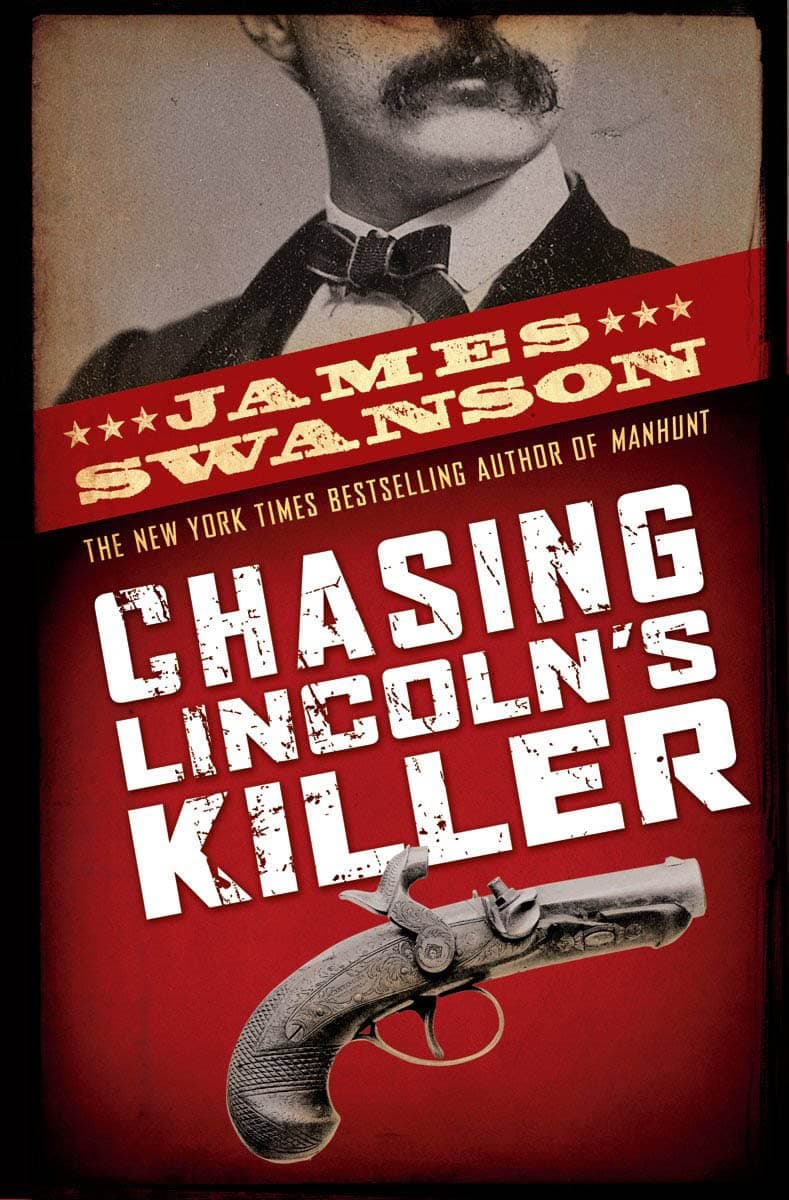
Booth’s Deringer pistol: Choosing a stylish, single-shot weapon over a pragmatic revolver underscores Booth’s obsession with image. Swanson wonders if he thought it “more heroic, more honorable—even more gentlemanly” to kill with one bullet—a symbol of staged bravery over sober reality (page 23).
The pine thicket: The days-long hideout functions as a physical echo chamber for the Lost Cause—secluded, brittle, and sustained by loyalists out of sight of the victorious Union. It’s a refuge for a defeated dream, kept alive only in the shadows (page 109).
Confederate safe houses: The homes of Mudd, Cox, and the initially welcoming Garretts become waystations of memory as much as shelter. These domestic spaces operate like informal shrines to a cause undone, where “honor” is performed in provisions, whispers, and locked doors.
Contemporary Relevance
Swanson’s portrait of the Lost Cause shows how seductive myths can legitimize violence and distort national memory. The same narrative currents still run through debates over Confederate flags, monuments, and curricula—arguments over history that double as struggles over identity and power. By tracing how fantasy fueled Booth’s choices and drew others into complicity, the book warns how nostalgia can radicalize grievance, turning pride into permission for harm.
Essential Quote
“The South is avenged!”
Booth’s proclamation reframes an assassination as moral redress, compressing the entire myth into a single triumphant shout. The line reveals how “honor” and “vengeance” merge in the Lost Cause imagination, converting defeat into a license for spectacle—and exposing, through its theatrical certainty, the delusion and cruelty at the heart of the ideology.