Prab and Neelam Sethi
Quick Facts
- Role: Immigrant parents and foundational mentors shaping their son’s money philosophy
- First appearance: Dedication (Page v); early anecdote in Chapter 1 (Page 13)
- Key relationships: Their son, Ramit Sethi; the broader Sethi family network
- Core idea they introduce: A rich life is about more than money, and money is a tool for values-driven choices
Who They Are
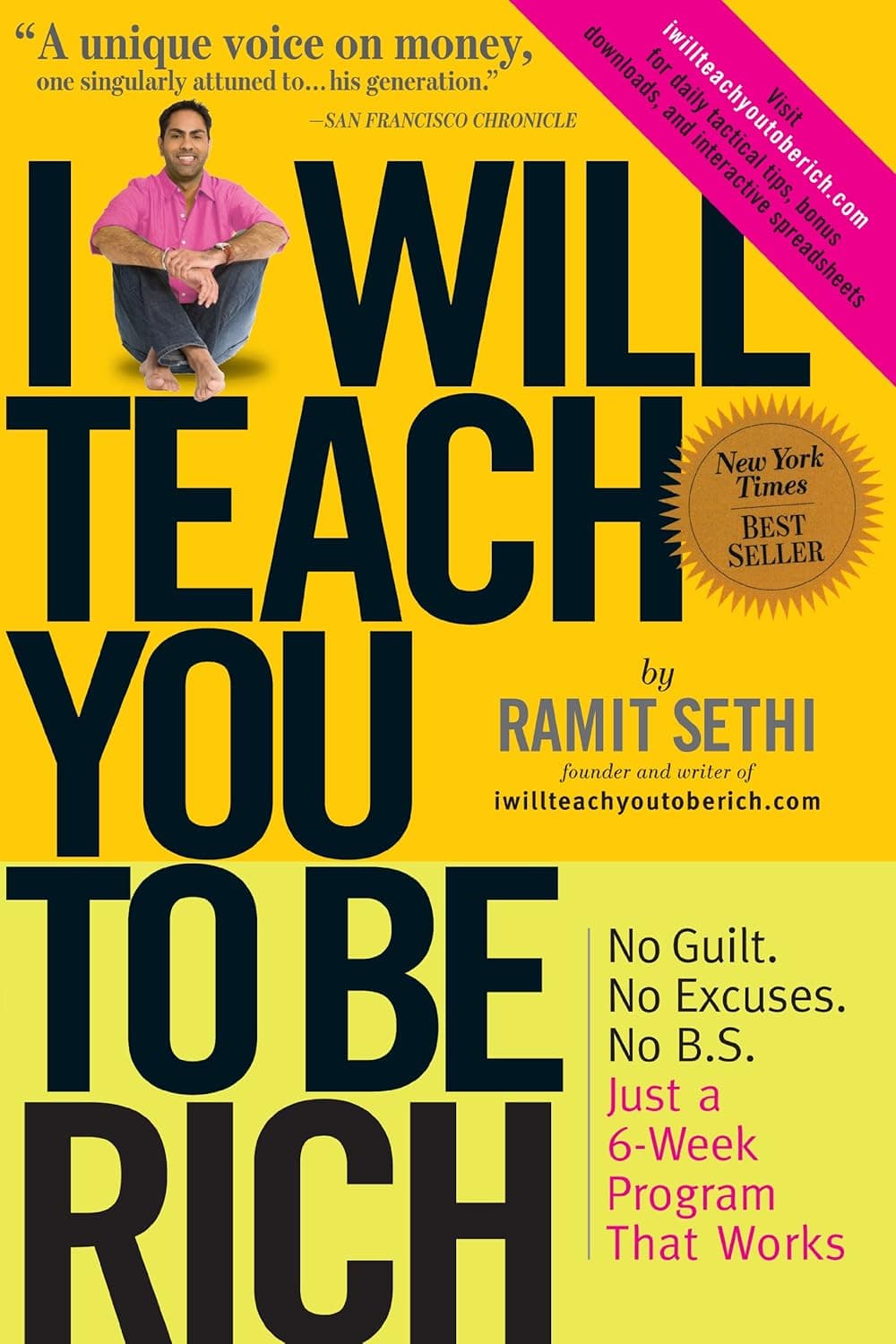
Prab and Neelam Sethi are not front-and-center characters so much as the book’s moral and practical ballast. Through family stories, a dedication, and running contrasts with American spending habits, they embody a grounded immigrant ethos: work hard, pay attention to value, and never confuse price with worth. Their example gives Ramit a real-world template he later modernizes into systems, psychology, and the practice of Conscious Spending. As a pair, they function like a living thesis statement: disciplined, value-conscious choices build not just savings, but freedom.
Personality & Traits
Ramit frames his parents’ personality through habits that signal deeper values. Their frugality isn’t cheapness; it’s respect for tradeoffs. Their high standards aren’t pressure for pressure’s sake; they’re a belief that effort should meet opportunity. And their philosophy of wealth explicitly transcends accumulation, insisting that money serve a life of intention.
- Extremely frugal and value-conscious: Prab’s “five straight days” of bargaining for a car, and his willingness to walk away over $50 floor mats (Page 13), show a refusal to overpay even at the finish line. The point isn’t the mats—it’s the principle of never surrendering value because of fatigue or urgency.
- Pragmatic and sensible: Preferring four-door Accords and Camrys (Page 13) turns car-buying into a long-term utility decision. Reliability, resale value, and practicality matter more than signaling or novelty.
- Demanding and high-achieving: The “A minus” anecdote (Page 69) captures a cultural standard: celebrate success, then ask how to improve. That steady, constructive pressure becomes Ramit’s engine for optimization.
- Philosophical about wealth: The dedication credits them with teaching that being rich is “about more than money” (Page v). Their legacy is a definition of wealth tied to choices, time, and purpose—not just account balances.
- Supportive and motivational: Ramit thanks his parents for sustaining him through two years of writing (Page viii), revealing that their high standards coexist with warmth and encouragement.
Character Journey
Prab and Neelam don’t “change” in the book; their steadiness is the point. They enter as a dedication and keep reappearing through anecdotes that anchor Ramit’s advice in lived reality. Across chapters, their old-school playbook—negotiate hard, buy for utility, maintain high expectations—becomes the baseline Ramit builds on with automation, psychology, and spending on what you love. Their arc is refracted through Ramit’s: he transforms their timeless principles into modern systems while preserving the core belief that money should support a meaningful, self-defined life.
Key Relationships
- With Ramit Sethi: As first teachers, they shape his instincts about value and discipline. His framework translates their kitchen-table wisdom into tools readers can implement—credit, automation, conscious spending—without losing the ethos of rigor they modeled.
- With the Sethi family: The acknowledgments list multiple family members (Page viii), situating Prab and Neelam within a wider network of support and expectations. That collective context amplifies their influence: excellence is communal, motivation is shared, and financial choices ripple through a family culture.
Defining Moments
Even as background figures, a few scenes crystallize who they are and why they matter.
- The Car Negotiation (Chapter 1, Page 13): Prab haggles for five days and walks away over $50 floor mats. Why it matters: It dramatizes endurance and boundaries—never accept a bad trade at the end of a long process—and sets up Ramit’s negotiation lessons.
- The Report Card (Chapter 3, Page 69): The “A minus” story captures high expectations with affection. Why it matters: It explains Ramit’s bias toward continuous improvement and the no-excuses tone of his advice.
- The Dedication (Page v): “Being rich is about more than money.” Why it matters: It frames the book’s philosophy before any tactics appear, elevating purpose above technique.
- The Acknowledgments (Page viii): Gratitude for two years of motivation. Why it matters: It reveals the emotional infrastructure behind discipline—support makes sustained effort possible.
Essential Quotes
For my parents, Prab and Neelam Sethi, who taught me that being rich is about more than money
(Page v)
This line declares their thesis before the book even begins: wealth as a life, not a ledger. It positions Prab and Neelam as philosophical authors of the project, with Ramit serving as the system-builder who operationalizes their lesson.
To my family, Prab and Neelam Sethi, Nagina, Ibrahim, Rachi, Haj, and Maneesh—thanks for keeping me motivated for the last two years of writing.
(Page viii)
Motivation is treated as a resource as real as dollars. The acknowledgment suggests that rigor (deadlines, drafts) is sustained by relationship—mirroring the book’s argument that systems work best when integrated with human psychology and support.
You’ll never see an Indian driving a two-door coupe... We’re absolutely nuts about hammering down the price to the last penny. Take my dad, for example. He’ll bargain for five straight days just to buy one car.
(Page 13)
The humor softens what is, in practice, an uncompromising stance on value. Prab’s persistence becomes a parable: patience, preparation, and the willingness to walk away are levers that turn everyday transactions into wins.
To understand what I mean, ask any Indian kid you know what happened when he excitedly brought home his straight-A report card... “Vijay, this is very good! But why did you get this A minus? What happened?”
(Page 69)
The anecdote distills cultural expectations into a single focused question: where can you improve? For Ramit, that mindset evolves into actionable habits—negotiating bills, automating savings, and iterating until systems fit the life you want.