What This Theme Explores
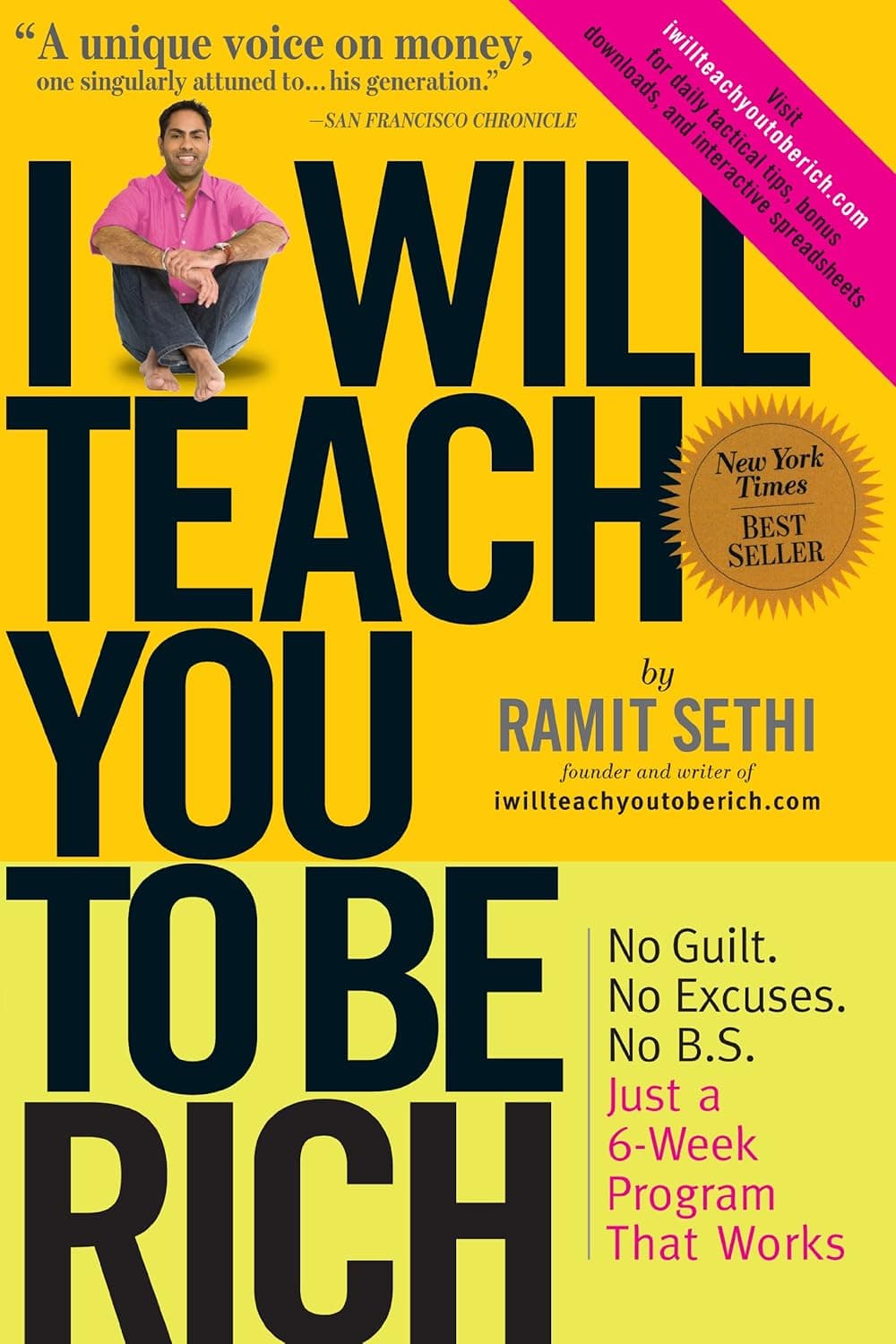
Defining a "Rich Life" reorients money from an end goal to a means for living deliberately. For Ramit Sethi, “rich” is not a universal number but a personal design: the freedom to prioritize what matters and unapologetically ignore what doesn’t. The theme interrogates the real purpose of earning and saving—less about hoarding, more about creating time, options, and joy. It asks readers to replace guilt and scarcity with intention, turning money into a quiet engine that powers their values.
How It Develops
The book opens by grounding the theme in the personal: the dedication to Prab and Neelam Sethi and the probing questions of the Introduction signal that “rich” begins with meaning, not math. Sethi immediately reframes the goal of personal finance—before any tactics—as a life you consciously architect.
In Chapter 1-3, the concrete work of optimizing credit cards, banks, and investment accounts is positioned as infrastructure, not identity. These early moves are deliberately unglamorous because the point isn’t to become a hobbyist accountant; it’s to reduce friction so your attention can shift from spreadsheets to life design.
Chapter 4 supplies the book’s fulcrum: the Conscious Spending Plan. Here, “rich” becomes operational—spend lavishly on loves, cut ruthlessly on indifference. The theme matures from philosophy to filter, translating personal values into recurring, concrete choices that make delight sustainable rather than accidental.
Chapter 5 deepens the promise through Automation and Financial Systems. By automating bills, savings, and investments, readers graduate from daily firefighter to monthly strategist. Automation turns good intentions into default behavior, making a Rich Life durable because it doesn’t depend on constant willpower.
In Chapter 7, Long-Term, Passive Investing aligns with the theme’s minimalist ethos: simple, low-cost funds that grow quietly in the background. The aim is not to become a market savant; it’s to ensure your money compounds reliably so it can fund the life you designed.
Finally, Chapter 9 tests the philosophy against high-stakes moments—relationships, weddings, cars, houses. The thread is consistent: define your values first, then let those values—not social scripts—dictate the money moves. The theme concludes as it began: personal, practical, and values-led.
Key Examples
-
The Initial Provocation (Introduction): Sethi asks, “Why do you want to be rich?” and “What does being rich mean to you?” The questions expose how rarely we define our target, revealing that much money anxiety stems from chasing an undefined goal. By forcing a definition, he turns the reader from passive consumer of advice into author of their own criteria for success.
-
The Principle of Conscious Spending (Chapter 4): Rather than micromanaging every dollar, Sethi proposes a plan that funnels money toward what you love and strips it from what you don’t. This redefines “discipline” as clarity, not austerity—permission to be lavish where it counts and merciless where it doesn’t.
-
Case Studies of Extravagance: Lisa spends 21,000 into nightlife but skips vacations and decor. Both show that “frivolous” becomes “intentional” when core savings goals are met—extravagance isn’t a failure but a feature of a Rich Life tailored to the individual.
-
The Final Application (Chapter 9): Big-ticket decisions—weddings, cars, homes—are reframed as values tests rather than rites of passage. By filtering these choices through a personal definition of “rich,” readers avoid mindless conformity and craft milestones that actually fit their lives.
Character Connections
As narrator and guide, Ramit Sethi embodies the theme by modeling a Rich Life defined by family, impact, and autonomy. He shares choices—helping his parents, pursuing work he loves, funding a scholarship—that illustrate how money can underwrite meaning rather than replace it.
The book’s dedication to Prab and Neelam Sethi anchors the theme in upbringing and values. Their lesson—that being rich is “about more than money”—becomes the book’s thesis: financial systems matter, but they exist to serve a human vision.
Lisa and John function as archetypes of conscious extravagance. Their spending looks extreme until you see the system behind it; they show how discipline and indulgence can coexist when guided by priorities.
“Julie,” who works at a nonprofit yet saves more than the average American, challenges the assumption that high income is a prerequisite for a Rich Life. Her story proves that clarity, automation, and consistency can outpace salary alone—and that values can be realized at any income level.
Symbolic Elements
-
The Latte: A shorthand for deprivation-based advice, the latte symbolizes the false belief that small daily sacrifices alone build wealth—or virtue. By refusing to demonize it, Sethi rejects shame as a financial tool and champions joy as a legitimate line item.
-
Automation: More than a tactic, automation symbolizes freedom. It relocates discipline from willpower to systems, freeing time and attention for relationships, creativity, and experiences—the real substance of a Rich Life.
-
“Rich Life” as Metaphor: The phrase itself reframes the entire enterprise from numeric targets to lived texture—time, choices, and delight. It equips readers with a higher-order goal against which to measure every financial decision.
Contemporary Relevance
In a culture saturated with curated lifestyles and algorithmic comparison, “Defining a Rich Life” offers a humane counter-script. By shifting success from public markers to private meaning, it lowers the temperature on performative spending and raises the standard for intentional living. The framework also scales: whether you’re optimizing on a tight income or managing abundance, the same questions—What do I value? What will I happily ignore?—deliver clarity, peace, and traction.
Essential Quote
Spend extravagantly on the things you love, and cut costs mercilessly on the things you don’t. This book isn’t about telling you to stop buying lattes. Instead, it’s about being able to actually spend more on the things you love by not spending money on all the knucklehead things you don’t care about.
This line distills the theme’s ethic: abundance through focus. It resolves the false binary between frugality and enjoyment by subordinating both to values, turning money management into a process of joyful selection rather than blanket restriction. Crucially, it transforms guilt into permission—once your system funds priorities, indulgence becomes not a lapse, but the point.