What This Theme Explores
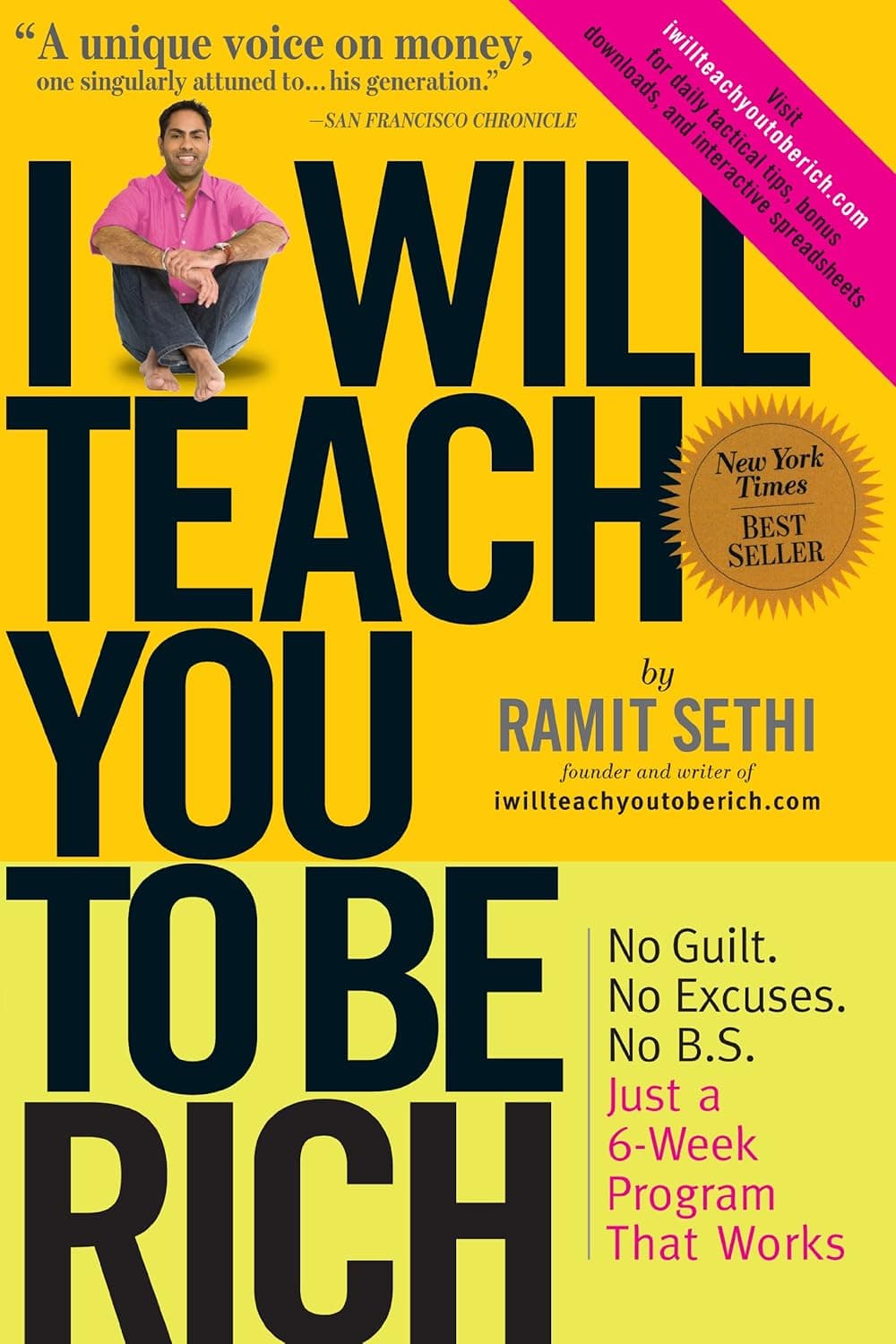
Conscious Spending reframes personal finance from a mindset of restriction to one of intentional choice: spend lavishly on what you love, and ruthlessly strip costs from what you don’t. Instead of obsessing over small sacrifices, it asks a deeper question: Which purchases genuinely reflect your values and bring lasting satisfaction—and which are just habit or social pressure? The theme ties money to identity and agency, urging readers to design their cash flow around a personal Rich Life rather than one-size-fits-all rules. By automating savings and investments first, it turns the rest of your money into permission for guilt-free joy.
How It Develops
The idea arrives early as a bold credo from Ramit Sethi, who rejects shame-based budgeting in favor of conscious choice. He positions this philosophy as a bridge between the mechanics of money (accounts, percentages, systems) and the psychology of a life you actually want to live—removing guilt and replacing it with clarity.
In Chapter 4: Conscious Spending, the theme becomes a concrete plan: four buckets—Fixed Costs, Investments, Savings Goals, and Guilt-Free Spending—each with target percentages. Sethi distinguishes being cheap (depriving yourself indiscriminately) from being frugal (prioritizing what you value), showing readers how to convert preferences into a cash-flow design. Case studies demonstrate that the power lies not in penny-pinching but in deliberate trade-offs.
Chapter 5: Save While Sleeping upgrades the philosophy into behavior by default. Automation channels money into investments and savings before it ever hits a checking account, making good decisions automatic and freeing attention for the fun part: spending on what matters. The psychological shift is crucial—once the future is handled on autopilot, day-to-day spending becomes a source of enjoyment rather than anxiety.
By Chapter 9: A Rich Life, Conscious Spending scales to major life choices: weddings, cars, and home purchases. Sethi shows readers how to confront big-ticket social expectations with values-driven planning, negotiating where costs are flexible and splurging where meaning is high. The theme thus matures from a monthly plan into a lifelong decision framework.
Key Examples
Conscious Spending crystallizes in concrete strategies and stories that reveal how values translate into numbers—and into a life that feels rich, not restricted.
-
The Core Maxim: Sethi’s mantra—spend extravagantly on what you love and cut mercilessly elsewhere—rejects the latte-shaming that dominates personal finance (Introduction, page 9). It reframes “discipline” as selective enthusiasm: you can spend more by spending better. The emphasis is not moral purity but alignment.
-
The Conscious Spending Plan: In Chapter 4, the four-bucket plan replaces line-item budgets with a few high-level constraints: roughly 50–60% Fixed Costs, 10% Long-Term Investments, 5–10% Savings Goals, and 20–35% Guilt-Free Spending. The simplicity lowers friction while enforcing priorities at the percentages level. You decide your values once, and the plan expresses them every month.
-
The 21,000 a year going out (Chapter 4, page 98)—and it works because his income, savings targets, and priorities support it. The example challenges knee-jerk judgments about “waste,” proving that high spending can be fully rational when it’s planned and genuinely valued. The flip side is just as important: John still cuts aggressively where he doesn’t care.
-
The À La Carte Method: Sethi advocates canceling underused subscriptions (cable, gym, streaming) and buying services only when needed (Chapter 4, page 100). This tactic exposes mindless recurring charges and forces each purchase to pass a conscious-choice test. It’s an elegant way to reclaim cash flow without sacrificing meaningful enjoyment.
-
Wedding Hypocrisy: Although many couples say they want a “simple” wedding, the average cost hovers near $28,000. Sethi argues not for guilt but for intentional trade-offs—pay for the elements that truly matter to you, and negotiate or eliminate the rest (Chapter 9). The ceremony becomes a case study in values-driven spending under social pressure.
Character Connections
As narrator and coach, Sethi embodies the theme through his own choices—travel, dining out, and other enjoyments that many “experts” would shame. He models that expertise isn’t asceticism; it’s clarity. His approach is psychologically savvy and operationally efficient: decide once, automate, then enjoy without second-guessing.
John personifies the “spend extravagantly” half of the mantra. His high social spending reveals how outsiders misread values-aligned choices as waste, and how automation plus a clear plan inoculate against guilt. He also illustrates the hidden discipline of Conscious Spending: big splurges require equally big cuts on low-value items.
“Julie,” a nonprofit employee, shows the universality of the framework on a modest salary—cooking at home, splitting rent, and dialing in her fixed costs to save over $6,000 a year (Chapter 4, page 102). Her story proves the plan scales down as well as up: it’s about priorities, not paychecks.
Prab and Neelam Sethi, especially Ramit’s father negotiating on car purchases, embody the “cut mercilessly” side. Their rigor isn’t stinginess but precision: refuse to overpay where costs are negotiable so you can redirect savings to what matters. Family stories ground the theme in learned behaviors—confidence, preparation, and intentionality at the point of purchase.
Symbolic Elements
The Budget: Sethi calls “budget” the worst word in personal finance (page 92)—a symbol of guilt, restriction, and inevitable failure. Replacing it with a Conscious Spending Plan reframes money as a supportive structure rather than a punitive scoreboard.
The Latte: The latte stands in for trivial advice: obsessing over tiny cuts while ignoring “Big Wins” like housing, transportation, income growth, and savings rates. By dismissing latte-shaming, Sethi redirects attention to decisions with disproportionate impact.
The Envelope System: Whether literal envelopes or digital sub-accounts, this system makes priorities visible and actionable (Chapter 4, page 115). It turns abstractions into containers, reducing decision fatigue and ensuring money flows to what you chose in advance.
Contemporary Relevance
In an era of social media comparisons, subscription overload, and economic uncertainty, Conscious Spending offers a humane middle path between reckless consumption and joyless asceticism. Automation reduces cognitive load in a world of endless financial micro-decisions, while values-based planning resists algorithmic nudges to spend. The framework supports modern ideals of self-care and purpose by pairing them with cash-flow realities—ensuring that “living your best life” is not a hashtag but a funded plan. It’s financial mindfulness with teeth.
Essential Quote
Spend extravagantly on the things you love, and cut costs mercilessly on the things you don’t. This book isn’t about telling you to stop buying lattes. Instead, it’s about being able to actually spend more on the things you love by not spending money on all the knucklehead things you don’t care about. (Introduction, page 9)
This line captures both halves of the theme: affirmative abundance for what you value, and disciplined rejection of everything else. It inverts the typical moralism of money advice, making joy the goal and constraint the tool. Most importantly, it ties spending power to prior decisions—once the plan and automation are set, extravagance becomes earned, intentional, and guilt-free.