Opening
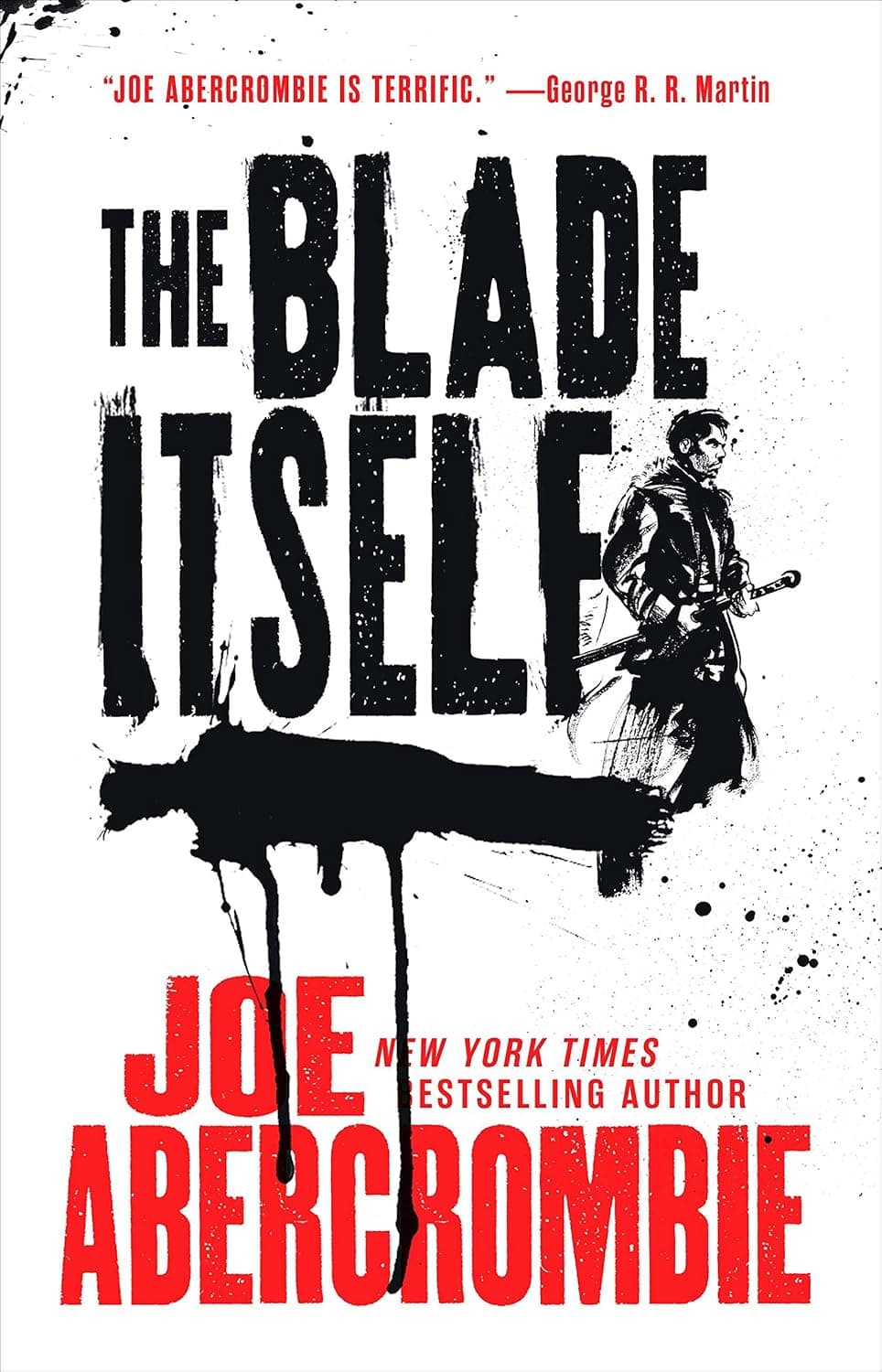
These chapters braid together courtly spectacle, brutal magic, and hard-won self-revelation as Sand dan Glokta, Jezal dan Luthar, Logen Ninefingers, and Ferro Maljinn collide with forces far older and crueler than they imagine. A deadly fencing tournament, an ancient scroll, a street ambush, and a massacre by sorcery all point toward a hidden object called the Seed—and toward a future where politics and prophecy grind together.
What Happens
Chapter 31: Words and Dust
Glokta attends the Fencing Contest and quietly wagers on Bremer dan Gorst, whose ungainly form hides terrifying efficiency. Gorst dismantles a favorite opponent with shocking speed and concussive power, a style Glokta instantly respects: ugly but unstoppable. The spectacle confirms that reputation lies to the eye; results do not.
Sent by Arch Lector Sult, Glokta limps through the decaying University to probe the Tower of Chains explosion. The threadbare Adepti bicker for money and attention, their hunger for patronage louder than their pursuit of truth. Adeptus Saurizin’s demonstration of weak blasting powder rules out mundane explosives, pushing Glokta toward older, stranger causes.
In the dust-choked library, Glokta meets the deaf, ancient Adeptus Historical and asks about Bayaz. Legends spill out—Bayaz aiding Harod the Great, the Maker’s war, the House of the Maker. The Adeptus produces a precious scroll, “An account of the fall of Kanedias,” describing Bayaz chasing the Maker to the roof and casting him down, the Magi’s search for a missing “Seed,” and a damning final line: “And Bayaz took the key.” Smelling leverage, Glokta seizes the irreplaceable scroll as the old man breaks down, and the past bleeds into present intrigue.
Chapter 32: The Remarkable Talents of Brother Longfoot
The Contest’s racket wakes Logen, who discovers a stranger in his room: Brother Longfoot, an irrepressible Navigator summoned by Bayaz to lead a westward voyage. Longfoot boasts endlessly of languages, routes, and cities he claims to stride like a colossus. Bayaz pairs him with Logen to hire a fast ship at the docks.
Their walk lays bare the gulf between them. Longfoot talks; Logen listens. Longfoot praises his own skills; Logen keeps pace and watches shadows. When Longfoot jingles a heavy purse and draws three knives in human form, Logen moves first—breaking one man, staring down the others. He chooses to pay them off rather than stack bodies, a deliberate step away from the killer he has been. Longfoot, who hid, emerges dazzled by “talents” he cannot name, and the pair push on.
Chapter 33: Her Kind Fight Everything
Ferro bolts from Yulwei, her taciturn guide, the moment he leaves to scout Dagoska. She runs herself to collapse and wakes to the hunters’ voices: a man and a woman who can smell her. The ambush snaps shut—two Eaters and four Gurkish soldiers. Ferro slaughters the soldiers in a blur of bow and blade, but the Eaters’ bodies ignore arrows and pain; dust sifts from wounds that don’t matter.
The male Eater pins her like a vise; the female presses into her mind, urging surrender. As Ferro’s world narrows to iron hands at her throat, Yulwei appears and names their crime: the breaking of a law older than empires. With calm precision he rots the woman’s bones and burns the man from within. Ferro, choking, still stabs the dying Eater—one last refusal to yield. Spent and shaken by the raw power on display, she concedes the truth: alone she dies; with Yulwei she might live.
Chapter 34: She Loves Me… Not
Jezal grinds through a slippery Styrian in his semi-final, earning a place in the final against Gorst. Later, cards with Kaspa, Jalenhorm, and Brint cannot distract him from thoughts of Ardee. Banter curdles when Brint reduces her to gutter speculation, and Jezal detonates—table flipped, fist on collar, blade at throat—promising to “carve you like a fucking chicken” if Brint speaks of her that way again.
He flees to a dark tunnel, stunned by what he has done and by what the others joke about: he must be in love. The idea lands as a blow and a balm. He understands he is drawn to Ardee because she refuses his polished mask, seeing the shallow boy beneath. For the first time, Jezal looks inward and does not like what he finds.
Chapter 35: The Seed
Night brings Glokta a visitor—a cold, whispering woman in shadow, asking where the Seed is and quoting the stolen scroll. Her touch freezes; her hands close on his throat. He crashes from bed and wakes on the floor, in agony and doubt. The door is unlocked. The pain is real. The boundary between nightmare and warning thins to nothing.
In daylight, Practical Severard reports a mutilated corpse in bushes near Bayaz’s new quarters, torn apart with inhuman savagery. Adeptus Kandelau examines the remains and concludes the victim was bitten and partly eaten—by a man. Before the truth can settle, Superior Goyle arrives to replace Glokta. With three unsettling Practicals at his back, he squeezes Kandelau into recanting and declares the death the work of “dogs.” Goyle dismisses Glokta and buries the evidence, proving that in Adua, power decides reality.
Character Development
In every thread, someone edges toward a line—moral, magical, or personal—and decides whether to cross it.
- Sand dan Glokta: Investigator, thief of histories, and target of something not human. His confidence wobbles after the Seed nightmare, and Goyle’s takeover exposes how fragile his authority truly is.
- Logen Ninefingers: Still lethal, now deliberate. He controls the alley fight, then chooses mercy, signaling a wary bid to live differently.
- Ferro Maljinn: Her lone-wolf creed cracks under the Eaters’ assault. Yulwei’s intervention forces her to accept protection and a place in a larger design.
- Jezal dan Luthar: Pride gives way to a raw, protective rage—and then to clarity. He recognizes both his love for Ardee and the hollowness she refuses to indulge.
- Yulwei: Revealed as a Magus who enforces ancient law without hesitation, widening the story’s scope from steel and courts to the oldest kinds of power.
- Superior Goyle: A new center of gravity in the Inquisition—cold, theatrical, and effective at turning truth to ash.
Themes & Symbols
-
Power and Corruption: The University’s scholars beg for coin like courtiers, and Goyle’s arrival converts murder into “dogs” with a sentence. Authority here is not a searchlight but a curtain; it does not illuminate, it conceals. Glokta’s stolen scroll becomes both knowledge and contraband, demonstrating how information itself gets weaponized inside rotten systems.
-
The Disparity Between Appearance and Reality: Gorst’s clumsy bulk hides brilliance; the University’s grandeur hides decay; Jezal’s elegance hides emptiness. Even the corpse “explained” by Goyle hides a human monster. These chapters repeatedly strip masks away and demand that characters—and readers—believe the evidence of consequence, not the comfort of surfaces.
-
The Nature of Violence: Violence arrives in flavors: Logen’s measured, transactional harm; Ferro’s feral, cornered strikes; Yulwei’s distant, absolute annihilation; Jezal’s sudden, personal fury. What a character does with force defines them more than what they say about it.
-
The Burden of the Past and Memory: The library, the scroll, the Maker—yesterday’s wars dictate today’s murders. Glokta’s dream fuses trauma and myth, suggesting that forgotten laws and lost artifacts still reach icy hands into the present. The Seed—absent and yet central—embodies how a missing piece from history can shape every move.
Key Quotes
“And Bayaz took the key.”
This final line from the ancient scroll repositions Bayaz from legend to suspect. It implies motive, agency, and a private claim over the Maker’s legacy—evidence Glokta can wield, and a riddle the plot must answer.
“An account of the fall of Kanedias.”
The title signals that history survives only in fragments curated by the victors. Its existence inside a crumbling library underscores how fragile—and valuable—memory is amid political decay.
“the Second Law”
Yulwei’s charge reframes the Eaters’ horror as not merely monstrous but unlawful within an ancient moral order. Invoking law while committing devastating sorcery casts him as judge and executioner, not just rescuer.
“carve you like a fucking chicken”
Jezal’s threat breaks his cultivated civility and exposes the raw nerve beneath his vanity. The shock of hearing himself say it catalyzes his self-recognition and his admission of love.
“dogs.”
Goyle’s single, dismissive word smothers truth under authority. It demonstrates how language, in the mouth of power, can erase facts and redirect fear—and how investigations die without witnesses brave enough to stand by their findings.
Why This Matters and Section Significance
The story widens. Brother Longfoot’s arrival locks the traveling party into motion, Ferro’s survival binds her to Yulwei’s larger war, and Glokta’s scroll threads the Union’s politics to the Maker’s vanished legacy. The Seed becomes the quiet heart of the plot, while the Eaters’ appearance and Yulwei’s judgment lift the stakes from intrigue to apocalypse.
Inside the Union, a different storm forms. Goyle’s takeover shows that enemies do not just invade borders; they also occupy institutions. Jezal’s sudden clarity, meanwhile, suggests that the most dangerous battleground may be the self: pride against honesty, image against change. Together, these chapters shift The Blade Itself from intersecting lives to converging destinies.