The Blade Itself trades a clear good-versus-evil showdown for a study of people under pressure: survivors, opportunists, and the wounded navigating a ruthless world. Its themes spiral out of character psychology and collide in a setting where institutions rot from within and violence breeds more violence. For a step-by-step plot overview, see the Full Book Summary.
Major Themes
The Nature of Violence
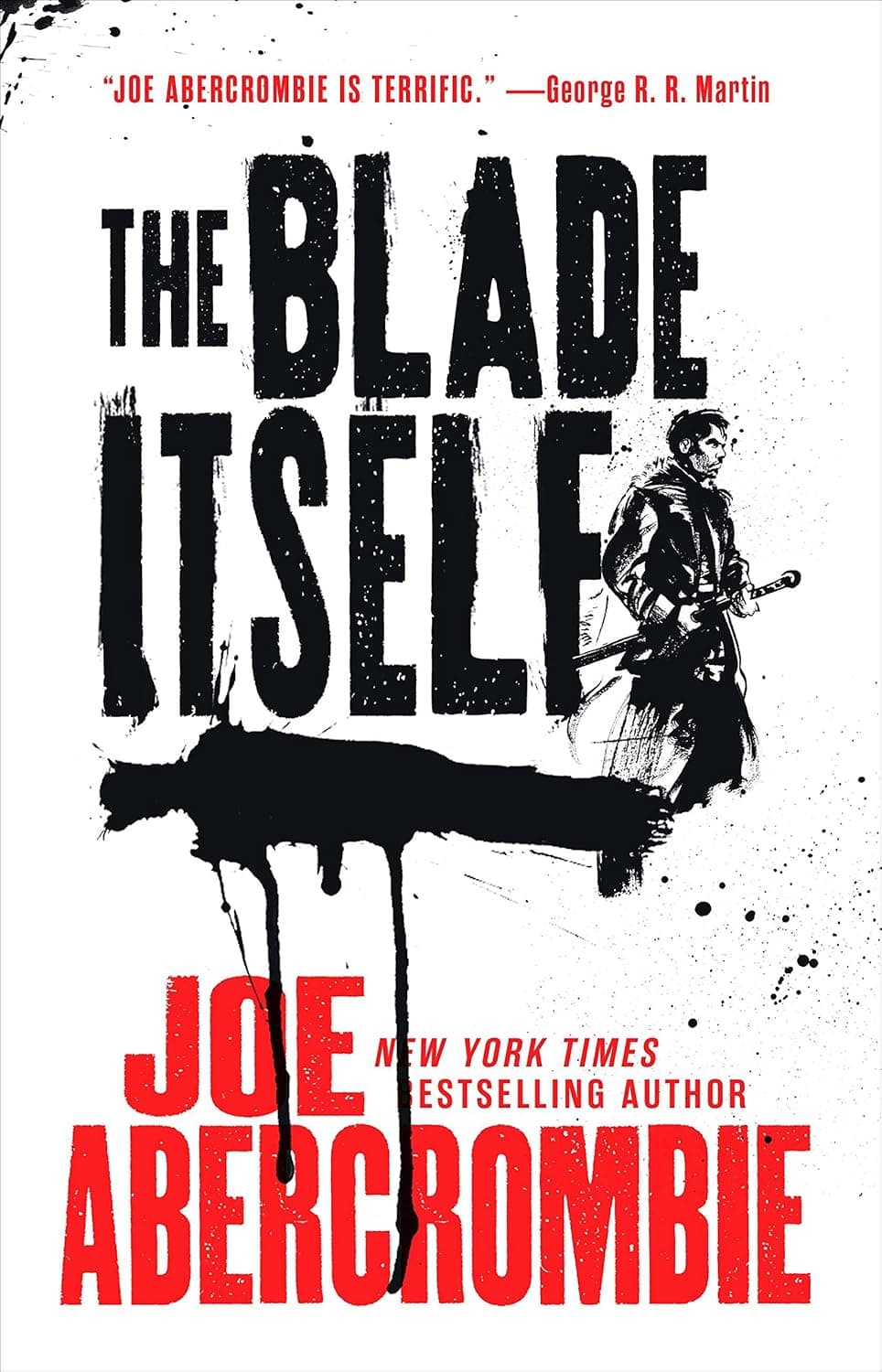
The novel’s epigraph frames the book’s central concern: “the blade itself” invites action, and action wounds body, mind, and society. In Abercrombie’s hands, violence is stripped of glory and shown as a cycle that brutalizes both victims and perpetrators; through Logen Ninefingers, Sand dan Glokta, and Ferro Maljinn, the story insists that pain leaves permanent marks and rarely solves the problem it was meant to fix. From Logen’s scrabbling survival against the Shanka in the opening (Chapter 1-5 Summary) to Glokta’s clinical interrogations and the savage duel with the Feared, violence reads not as heroism but as damage accumulating.
Power and Corruption
In The Blade Itself, power—political, military, or magical—does not merely tempt; it distorts. Arch Lector Sult weaponizes the law to settle scores and expand control, petty officials turn cruelty into career strategy, and Bayaz treats people as pieces on a board he alone understands. From Sult’s takedown of the Mercers to Bethod crowning himself King of the Northmen, the novel shows that authority is less a duty than a solvent that dissolves restraint—and that those inside the system (like Glokta) can see the rot even as they perpetuate it.
The Disparity Between Appearance and Reality
Masks—social, institutional, and personal—define this world, and the novel repeatedly peels them back. Jezal dan Luthar performs the dashing officer while seething with insecurity; Logen plays the weary peacemaker while harboring the Bloody-Nine; Bayaz presents as wise elder while manipulating outcomes from the shadows. The Inquisition claims justice yet functions as a political cudgel, and even Jezal’s great triumph is a sham, his “merit” manufactured by sorcery and secrecy.
Supporting Themes
Cynicism and Moral Ambiguity
Abercrombie rejects simple virtue: most choices are self-interested compromises made under duress. This hard-edged outlook grows from and feeds into Power and Corruption—Glokta’s mordant inner commentary exposes hypocrisy even as he sharpens it—and it deepens The Disparity Between Appearance and Reality, since polished surfaces in Adua hide institutional rot and private despair.
The Burden of the Past and Memory
History is not backstory; it is a shackle on the present. Logen cannot outrun the Bloody-Nine; Glokta’s torture-scarred body keeps yesterday’s pain alive; Collem West fights his way up from common birth and an abusive home; Ardee West wields cynicism like armor against a life of neglect. The theme knots tightly with The Nature of Violence, where earlier wounds dictate today’s reflexes and tomorrow’s limits.
Survival and Pragmatism
“You have to be realistic,” Logen repeats, and the book agrees: endurance often beats idealism. Necessity drives alliances (Ferro with Bayaz), careers (Glokta in the Inquisition), and betrayals, binding this theme to both The Nature of Violence (live now, reckon later) and Power and Corruption (serve the system to avoid being crushed by it).
Ambition and the Pursuit of Power
The hunger to rise—Jezal’s vanity, Bethod’s kingship—feeds the machinery of corruption and invites deception. Because ambition rarely succeeds on merit alone, it leans on The Disparity Between Appearance and Reality (manufactured glory) and Survival and Pragmatism (the ends justify the means).
Theme Interactions
- The Nature of Violence → The Burden of the Past: what characters inflict and endure becomes the story living inside them; Logen and Glokta cannot be remade without first unmaking their histories.
- Power and Corruption → Cynicism and Moral Ambiguity: systemic rottenness teaches people to expect the worst, until morality narrows to what one can get away with.
- The Disparity Between Appearance and Reality ↔ The Burden of the Past: masks are built to hide shame or fear—Jezal’s swagger veils insecurity; Logen’s calm represses the Bloody-Nine—but the past eventually bleeds through.
- Ambition and the Pursuit of Power ↔ Survival and Pragmatism: to rise, characters must cut deals and abandon ideals; to endure, they often adopt the habits of the ambitious.
Together these threads form a feedback loop: violence breeds trauma, trauma invites masks, masks enable corruption, corruption rewards cynicism, and cynicism normalizes further violence.
Character Embodiment
[Logen Ninefingers] carries The Nature of Violence and The Burden of the Past in every scar. His mantra of realism captures Survival and Pragmatism, yet each attempt to live quietly risks summoning the Bloody-Nine—a living argument that change is possible but fragile.
[Sand dan Glokta] is institutionalized violence and Power and Corruption made flesh, a man who sees the game’s ugliness with surgical clarity. His former glory versus present ruin enacts The Disparity Between Appearance and Reality, while his black humor embodies the world’s Cynicism and Moral Ambiguity.
[Jezal dan Luthar] personifies The Disparity Between Appearance and Reality and Ambition and the Pursuit of Power. Vain, fearful, and easily flattered, he thrives on performance—only to discover that even his highest achievement has been staged for him.
[Bayaz] stands at the nexus of Power and Corruption and appearance’s deceit: a “kindly” mentor whose wisdom cloaks ruthless manipulation. His interventions prove that legendary status offers no immunity from moral compromise.
[Ferro Maljinn] is what prolonged harm makes: violence as language, vengeance as purpose. She fuses The Nature of Violence with Survival and Pragmatism, showing how trauma narrows life to the next target and the next breath.
[Bethod] embodies ambition’s drift into tyranny. His self-made crown illustrates how Power and Corruption masquerade as destiny—and how personal appetite scales into national catastrophe.
Collem West wrestles with The Burden of the Past and seeks dignity against class prejudice, his competence and anger alike traced to old wounds. Ardee West channels Cynicism and Moral Ambiguity, her wit and self-destruction both shaped by a lifetime of being dismissed.
Closing Notes
Across the novel, change proves punishingly hard, power curdles, surfaces lie, and violence repeats—truths foreshadowed by the opening quote that the blade itself incites what follows. Abercrombie’s world offers no easy heroes, only people paying the price for what they and their societies are willing to do.