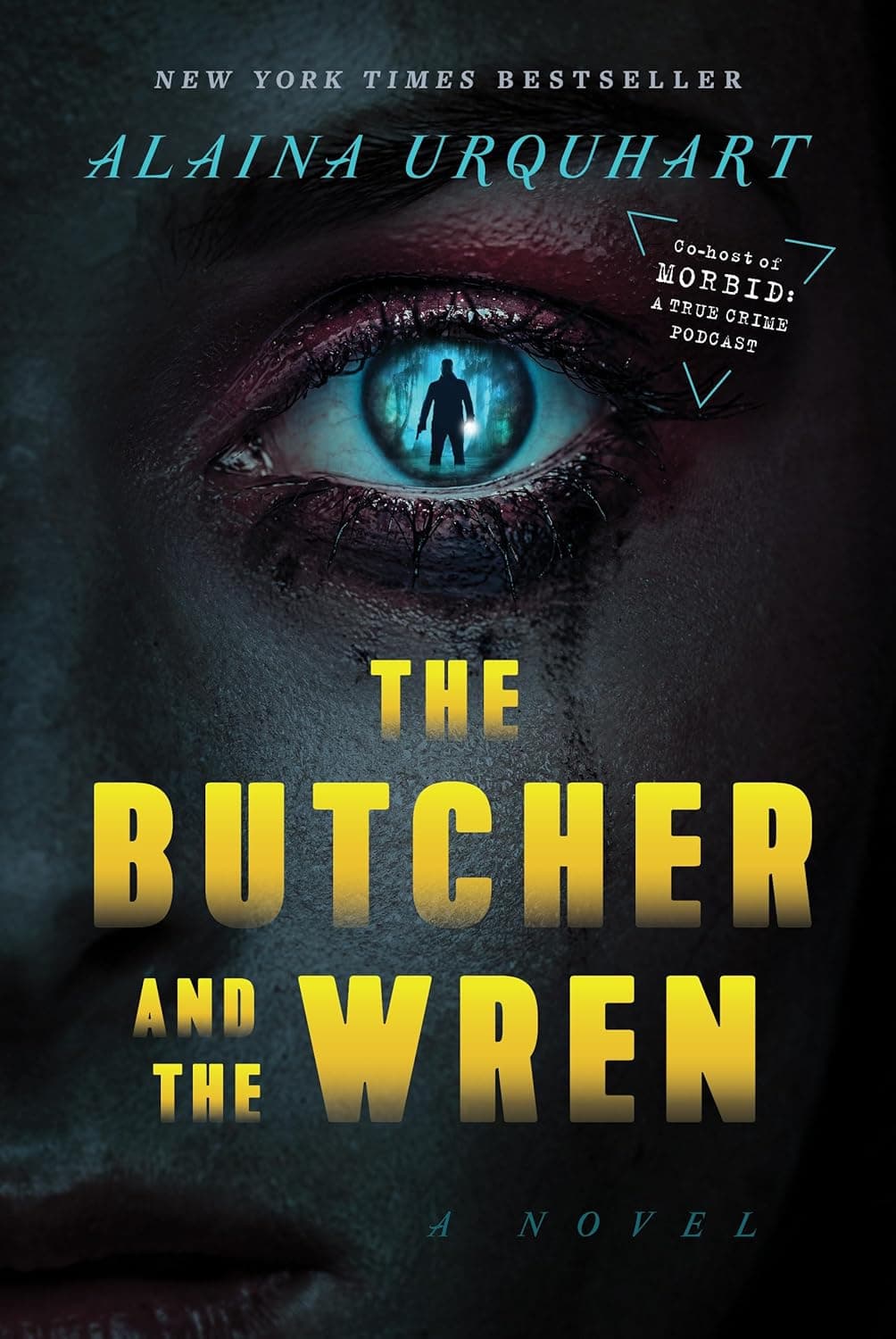
Emma
Quick Facts
- Role: Pivotal victim whose case ignites the novel’s climax and exposes the killer’s personal fixation on the investigator
- First appearance: Discovered alive in a coffin at St. Louis Cemetery No. 1 in Chapter 16-20 Summary
- Fate: Dies shortly after rescue at the hospital
- Key relationships: Dr. Wren Muller, Jeremy Rose, Detective John Leroux, and Emma’s parents
- Distinguishing details: Avid runner with long, lean musculature; auburn hair; “brilliantly blue” eyes; found wearing a silver bracelet with an anatomical heart charm and the initial “E”
Who They Are
Though her on-page life is brief, Emma is the novel’s emotional trigger and narrative lever. She is both victim and messenger: a young runner hunted, paralyzed, and buried alive, whose exhumation becomes a stage for the killer’s taunt and the investigator’s reckoning. Emma functions as a mirror for Dr. Wren Muller’s buried identity, Emily Maloney; her unearthing drags Wren’s past back into daylight, transforming a case file into a personal war.
Emma’s body tells a story of pursuit and resistance—the Bayou Butcher’s “performance” against a capable, disciplined target. In this way, she embodies the novel’s predator-prey dynamic, while her brief pulse at discovery injects fragile hope into a narrative otherwise defined by dread.
Physical details sharpen that story:
The woman inside the coffin looks to be in her late twenties. She has auburn hair, matted with mud, fanned out around her head. Her eyes are closed. Her face is peaceful though coated in grime. Dried vomit clings to her cheek and the lining of the coffin. Her feet are bare. They are scraped raw and crusted with dried blood and soil.
Personality & Traits
Emma’s character is reconstructed posthumously—through her injuries, the scene, and the memories of her parents. The evidence suggests a woman defined by discipline and grit, someone who met terror with the instincts of an athlete determined to survive.
- Resilient endurance: Raw, bloodied feet and clawed coffin lid show a runner’s refusal to quit, even when trapped and paralyzed; she pushes against the ultimate constraint—lack of air—with sheer will.
- Fighter within Survival and Resilience: The gouges inside the lid and defensive marks read like a timeline of resistance, a silent record of every second she won back from death.
- Loved and grounded: Her parents’ pride in her “defined quadriceps” and “long, lean muscles” reframes forensic detail as biography—discipline as family lore, turning clinical notes into a portrait of a beloved daughter.
- Precision and routine: The runner’s body and habits hint at a life built on training and structure, which underscores the violation of being turned into a “message.”
Character Journey
Emma begins as a near-Jane Doe—an exhumed victim with a faint pulse that sparks a desperate, cinematic rescue. The hope collapses at the hospital, but her story intensifies: Wren’s examination reveals a silver bracelet bearing an anatomical heart and the initial “E,” the same charm Wren wore as Emily Maloney. In that instant, Emma stops being one file among many and becomes the live wire connecting past and present. Through the autopsy, Wren reads on Emma’s body the script of her own survival—lacerations from a barefoot chase, paralysis, and burial—triggering Wren’s vow to end Jeremy Rose’s hunt. Emma doesn’t change over time; she changes the people around her, converting Wren’s professionalism into mission.
Key Relationships
-
Dr. Wren Muller: Emma is the instrument that collapses Wren’s professional distance. The bracelet—Wren’s own from her Emily Maloney years—forces Wren to recognize the killer’s fixated message. In Emma, Wren sees her nearly murdered self; her work becomes an act of personal restitution.
-
Jeremy Rose: To Jeremy Rose, Emma is a pawn in an elaborate spectacle aimed at Wren. He selects a runner, stages a burial with a sliver of survivability, and plants the bracelet to weaponize meaning. Emma’s body becomes the canvas for his theme of The Hunt: Predator vs. Prey—proof he can choose quarry, write the rules, and still control the ending.
-
Detective John Leroux: With Detective John Leroux, Emma’s discovery stages one of the novel’s most tense false hopes. Their excavation turns investigative routine into a race against time; Leroux’s presence underscores the team’s competence even as the case twists into Wren’s private history.
-
Emma’s Parents: Their hospital grief restores Emma’s humanity in a story that risks reducing victims to clues. Their memories—her blue eyes, runner’s body, and shared pride—counter the killer’s dehumanization, reminding Wren that justice must answer to a family, not just a file.
Defining Moments
Even in death, Emma’s presence moves the plot, reshapes alliances, and clarifies motive.
-
Discovery in the Coffin (St. Louis Cemetery No. 1) — Chapter 16-20 Summary:
- Why it matters: The faint pulse generates a rare surge of hope that sharpens the ensuing loss. The scratched lid and raw feet transform Emma from “victim” into an active resister, redefining what this killer does to his prey—and what they do back.
-
The Bracelet Revelation — Chapter 21-25 Summary:
- Why it matters: The anatomical-heart charm marked “E” links Emma to Wren’s past identity, Emily Maloney, and exposes Jeremy’s taunt. The investigation turns personal; the case pivots from pattern-hunting to a duel.
-
The Autopsy:
- Why it matters: In the examination detailed in Chapter 26-30 Summary, Wren reads Emma’s body as both evidence and mirror. The barefoot lacerations, paralysis, and burial echo Wren’s own history, hardening her vow to end Jeremy’s hunt.
Essential Quotes
“I won’t fail you, Emma,” she promises, using the victim’s name to punctuate her point. She can still hear Emma’s parents’ agonized voices saying the name to her in the hospital morgue as they cradled her lifeless hands in their own. “Take care of my Emma,” her mother had pleaded.
This vow reframes Wren’s role from detached expert to avenger. The repetition of Emma’s name—echoing her parents—insists on personhood, countering the killer’s attempt to reduce her to a message.
This bracelet belongs to Emily Maloney. This bracelet belongs to Wren Muller.
The split identity on the same object collapses Wren’s past and present. Jeremy’s “gift” turns Emma into a conduit for revelation, proving his knowledge and forcing Wren to acknowledge that the Bayou Butcher and her attacker are one and the same.
She notices the lacerations on Emma’s feet, like she traveled in harsh conditions without shoes on. She’s seen this same pattern on multiple victims, herself included. She shakes the image from her mind.
The forensic detail doubles as memory trigger. Emma’s wounds become a map of the killer’s method and Wren’s trauma, blurring evidence with experience and locking Wren’s resolve into personal history.