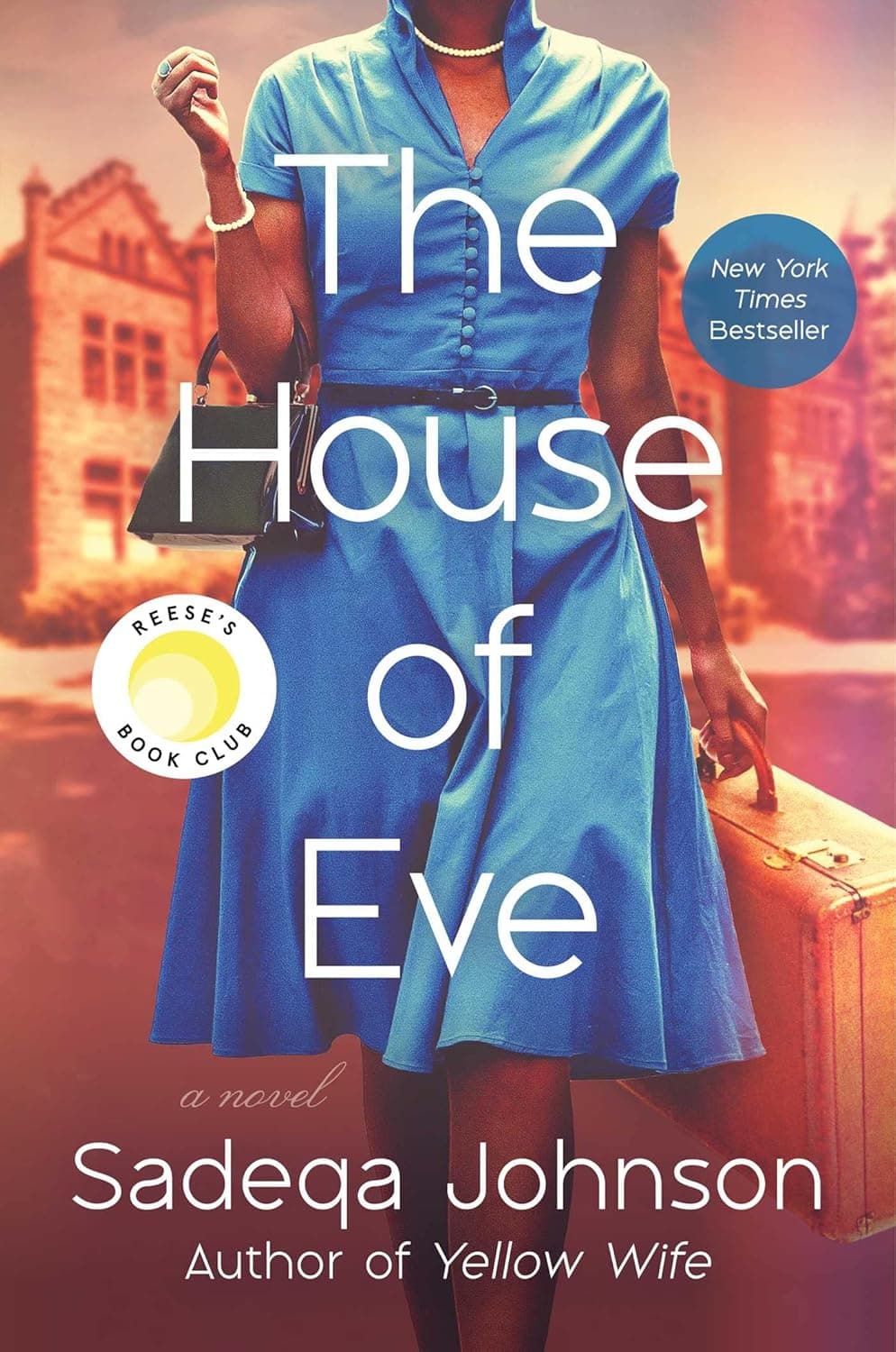
This collection of quotes from The House of Eve traces how ambition, class, race, and secrecy shape the lives of Ruby Pearsall and Eleanor Quarles, revealing the painful bargains Black women were forced to make in mid-century America.
Most Important Quotes
The Price of Ambition
"There are no second chances when it comes to us. If you want to escape your current circumstances, you have to work like your tail is on re."
Speaker: Mrs. Thomas | Context: In Chapter 3, Mrs. Thomas reprimands Ruby for repeatedly arriving late to her We Rise class and warns she may lose her scholarship opportunity.
Analysis: Mrs. Thomas’s admonition becomes the creed that propels Ruby Pearsall forward and crystallizes the novel’s meditation on Socioeconomic Class and Social Mobility. The phrase “when it comes to us” underscores the racialized scarcity of opportunity, while the vivid urgency of “work like your tail is on fire” compresses fear, drive, and survival into a single image. The line frames success as a narrow corridor in which a single misstep can be fatal to a dream. By setting the stakes so starkly, the quote foreshadows the painful compromises Ruby will make to keep her future alive.
An Unwinnable Game
"I’ma tell you like this. You done pulled a seat up to a game that your ass can’t win. Cut that shit o now."
Speaker: Aunt Marie | Context: In Chapter 7, Aunt Marie confronts Ruby after learning she’s been sneaking out to see Shimmy, a white Jewish boy.
Analysis: Aunt Marie’s metaphor of a “game” lays bare the rigged social order around interracial love, a central tension within Race, Colorism, and Prejudice. Her blunt, protective realism—honed by hardship—collides with Ruby’s romantic optimism, exposing the unspoken rules that govern their world. The coarse diction conveys both urgency and care, insisting that survival must trump desire. By warning Ruby that the rules were never written for her to win, Aunt Marie foreshadows the danger and heartbreak of Ruby’s relationship with Shimmy Shapiro and ties the love plot to the broader theme of Love, Marriage, and Sacrifice.
The Burden of Class
"William has as much in common with her as he does the gardener."
Speaker: Rose Pride (overheard by Eleanor) | Context: In Chapter 10, Eleanor overhears Rose at Ware’s department store dismissing her as unworthy of William.
Analysis: The cruel comparison collapses Eleanor’s identity into a class marker, exposing the elitism she faces within D.C.’s upper-crust Black society. By equating Eleanor with “the gardener,” Rose reduces her to labor and lineage rather than intellect or character, revealing the internal hierarchies that privilege pedigree, “old money,” and color. For Eleanor Quarles, the moment cements her outsider status and seeds the fear and secrecy that will later define her choices. It’s a pivotal flash of social violence that deepens the novel’s study of Socioeconomic Class and Social Mobility.
The Ultimate Deception
"I’m going to pretend to have this baby myself."
Speaker: Eleanor Quarles | Context: In Chapter 24, after agreeing with William to adopt in secret, Eleanor resolves to fake a pregnancy so the truth never reaches Rose Pride’s circle.
Analysis: Eleanor’s decision marks the novel’s point of no return, binding her fate to Ruby’s through an act of concealment that defines Deception and Secrets. The spare, declarative phrasing mirrors her attempt to impose order on chaos, as if the clarity of a plan could erase grief, class insecurity, and the pressure to produce an heir. It reveals how the performance of belonging can become a survival strategy when acceptance seems otherwise unattainable. This moment ignites the chain of events that will haunt both women, turning motherhood into a tightly guarded social fiction.
Thematic Quotes
Socioeconomic Class and Social Mobility
A Fork in the Road
"Hell, choice seems easy to me. Stay poor like the rest of us, or climb, scratch and claw like hell to get out."
Speaker: Aunt Marie | Context: In Chapter 21, after Mrs. Shapiro proposes a home for unwed mothers in exchange for a guaranteed scholarship, Aunt Marie strips Ruby’s dilemma down to its economic core.
Analysis: With visceral, animalistic verbs—“climb, scratch and claw”—Aunt Marie names the brutal labor required for a Black girl to rise. Her framing sidelines sentiment, casting education as the sole reliable engine of escape and recoding motherhood as a choice with lifelong financial consequences. For Ruby Pearsall, the speech refracts love through the lens of survival, clarifying why unthinkable sacrifices can feel like the only path forward. The rhetoric’s starkness embodies the novel’s hard wisdom about mobility: even the “right” choice exacts a cost.
The Unspoken Rules of the Elite
"Honey, everyone knows they only pick girls with hair straight as a ruler, and skin paler than a paper bag. Where have you been?"
Speaker: Nadine Sherwood | Context: In Chapter 2, Nadine explains Eleanor’s rejection from the Alpha Beta Chi sorority at Howard.
Analysis: Nadine’s offhand cruelty functions as social exposition, revealing the gatekeeping metrics—lineage, skin tone, hair texture—that govern admission to elite Black circles. The similes (“straight as a ruler,” “paler than a paper bag”) translate prejudice into tidy measurements, indicting the pseudoscience of respectability. For Eleanor Quarles, raised in an integrated Midwestern town, the lesson is a jolt: merit won’t matter if her body doesn’t pass. The moment foreshadows her later entanglement with the Pride family’s standards, where belonging demands a flawless performance.
Unwed Pregnancy, Motherhood, and Shame
The Ultimate Sin
"You have committed the ultimate sin by giving into the temptation of fornication."
Speaker: Mother Margaret | Context: In Chapter 27, during nightly devotion at the House of Magdalene, Mother Margaret castigates the girls’ morality.
Analysis: Cloaked in religious authority, Mother Margaret’s language weaponizes shame to control vulnerable girls, reframing pregnancy as a spiritual stain rather than a social and structural issue. The sermon’s absolutism erases consent, care, and context, narrowing “redemption” to surrendering one’s child. This rhetoric becomes institutional coercion, polishing cruelty with piety and collapsing agency into penance. The scene clarifies how sanctimony reinforces the pipeline from secrecy to adoption—and why leaving with a baby can feel morally impossible.
A Mother’s Regret
"Too late for those crocodile tears now, girl. Should have thought about all this before you gave away your milk for free."
Speaker: Lorraine (Eleanor’s mother) | Context: In Chapter 12, Eleanor confesses her pregnancy, and Lorraine responds with cutting pragmatism.
Analysis: Lorraine’s barbed metaphor reduces desire to transaction, reflecting a culture where a woman’s “value” is tethered to sexual restraint. The rebuke captures the charged, complicated love in the novel’s Mother-Daughter Relationships: anger as a proxy for fear, harshness as a plea for safety. Her words also echo the era’s respectability politics, where a misstep could foreclose futures. The moment exposes how shame polices women’s choices—and how even maternal care can arrive in a punishing voice.
Race, Colorism, and Prejudice
A World Apart
"You can’t be friends with the likes of her. I thought you had more sense, boy. Don’t end up like your father."
Speaker: Mr. Greenwald | Context: In Chapter 5, Mr. Greenwald finds Ruby at his store counter with his employee, Shimmy, and lashes out.
Analysis: The phrase “the likes of her” reduces Ruby to a racial category, barring intimacy and even ordinary friendship across community lines. The warning about Shimmy’s father hints at generational scandal, suggesting prejudice is inherited and patrolled. The confrontation turns a harmless setting into a stage for social policing, reminding Ruby that visibility invites punishment. It places her connection with Shimmy Shapiro in a no-win arena where affection becomes an act of defiance.
The Weight of a Word
"Watch where you’re going, nigger," she hissed as she grabbed her daughter tightly by the wrist.
Speaker: A white woman | Context: In Chapter 11, after Ruby accidentally bumps a shopper downtown, the woman hurls a slur and pulls her child away.
Analysis: The slur operates as immediate violence: a word that seeks to scar, isolate, and humiliate. The mother’s protective grip implies contagion, turning Ruby into a threat by virtue of her existence. The whiplash from celebration—new nylons—to degradation lays bare how joy for a Black girl can be revoked in an instant. This shock becomes a hinge moment for Ruby’s choices, sharpening her awareness that the world will not permit her and Shimmy a peaceful life.
Character-Defining Quotes
Ruby Pearsall
"To paint was to breathe easy. When I picked up my brush, all my problems magically washed away. I had started painting about two years ago, after my We Rise teacher took us on a eld trip to the Philadelphia College of the Arts for a class on oil painting."
Speaker: Ruby Pearsall (Narrator) | Context: In Chapter 3, after being kicked out by her mother, Ruby regroups at Aunt Marie’s and turns to painting.
Analysis: Ruby’s metaphor—“to breathe easy”—casts art as oxygen, a private realm where she can reorder a life otherwise dictated by scarcity and scrutiny. Painting is therapy and authorship, a place she names and controls, in contrast to the social scripts surrounding her. The sensory imagery of brush and canvas softens the novel’s harsher textures, revealing a tenderness that makes her both resilient and exposed. It also explains why someone who truly sees her gift can feel indispensable, making love and ambition dangerously intertwined.
Eleanor Quarles
"One of the things she liked about working in the library was that everything had a proper place. Eleanor had always felt most at ease when things were categorized, neat and organized."
Speaker: Eleanor Quarles (Narrator) | Context: In Chapter 6, Eleanor finds solace in the order of the Howard University library.
Analysis: The library’s taxonomy mirrors Eleanor’s temperament: she craves systems that promise legibility and control. That instinct collides with the opaque codes of class and color that govern her new social world, where the rules are unwritten and the categories are people. Her affinity for order underwrites her academic diligence but also fuels her anxiety when life refuses to be filed away. The secret adoption scheme becomes, tragically, an attempt to “catalog” chaos into an acceptable narrative.
Aunt Marie
"Can’t let nobody steal your joy, sweetness, or you gon’ live a miserable life. I done seen it. You show that ignorant woman by getting your education. Keep your eye on the prize. Forget about her."
Speaker: Aunt Marie | Context: In Chapter 11, after a white woman’s verbal assault, Aunt Marie steadies Ruby with fierce encouragement.
Analysis: Aunt Marie models protective love that is both tender and tactical, channeling pain into purpose. Her counsel reframes retaliation as achievement—education as resistance—and teaches Ruby to conserve her energy for mobility rather than confrontation. The idiomatic cadence enacts intimacy and authority, sounding like family wisdom passed down for survival. Where Inez Pearsall wounds, Aunt Marie repairs, becoming Ruby’s true maternal anchor.
Rose Pride
"You see, this is what happens when you marry a girl from the wrong side of the tracks."
Speaker: Rose Pride | Context: In Chapter 42, after Eleanor flees upon learning the truth about Wilhelmina’s adoption, Rose aims her blame at William.
Analysis: Rose’s remark unmasks the prejudice that has always underwritten her politeness, treating Eleanor’s class background as moral defect. The cliché “wrong side of the tracks” operates like a brand, asserting that pedigree determines character and predicting disaster as destiny. In crisis, Rose chooses classism over compassion, proving herself an antagonist to Eleanor’s belonging. The line crystallizes how power protects itself by pathologizing outsiders.
Inez Pearsall
"Love ain’t a strong enough word to describe how I felt about Junior Banks... I worshiped the ground he walked on."
Speaker: Inez Pearsall | Context: In Chapter 45, Inez finally tells Ruby the story of her pregnancy and heartbreak.
Analysis: Inez’s confession reframes her cruelty as armor forged in humiliation, with “worshiped” revealing youthful devotion curdled by rejection. Ruby’s existence kept that wound fresh, making mother and daughter casualties of the same class and color barriers. The admission complicates Inez’s character, asking readers to see the injured girl inside the punishing mother. It also echoes the novel’s cycle of harm, where the past scripts the futures of women with too few choices.
Memorable Lines
The Opening Epigraph
"Each story has a monster in it who made them tough instead of brave, so they open their legs rather than their hearts where the folded child is tucked."
Speaker: Toni Morrison (Epigraph) | Context: Part One
Analysis: Morrison’s line serves as thematic overture, naming the “monster” not as a person but as intersecting systems—poverty, racism, sexism, classism—that harden rather than free. The contrast between “tough” and “brave” suggests survival can mute the heart, pushing women toward choices that protect the body but imperil the spirit. The haunting image of the “folded child” fuses love, sex, and motherhood into a single locus of risk and loss. It foreshadows how Ruby and Eleanor will be shaped by forces that make intimacy perilous and motherhood fraught with secrecy.
The Final Encounter
"I’d like you to meet our newest doctor on sta, Dr. Pearsall. She’s an optometrist and has just arrived from Philadelphia... 'Please, call me Ruby.'"
Speaker: William Pride and Ruby Pearsall | Context: In the Epilogue, thirteen years later, William introduces Eleanor to the hospital’s new optometrist: Dr. Ruby Pearsall.
Analysis: The understated introduction carries a charge of dramatic irony: Ruby’s title realizes the future she bartered everything to attain. Naming—“Dr. Pearsall,” then “Ruby”—traces her journey from aspiration to arrival, while acknowledging the girl who paid the price. The handshake between Ruby and Eleanor bridges two secret histories, bound by a child and a silence only one of them fully understands. The scene closes the circle with restraint, letting the titles, the timing, and the unspoken grief do the work that grand revelations cannot.