Courage and Resilience
What This Theme Explores
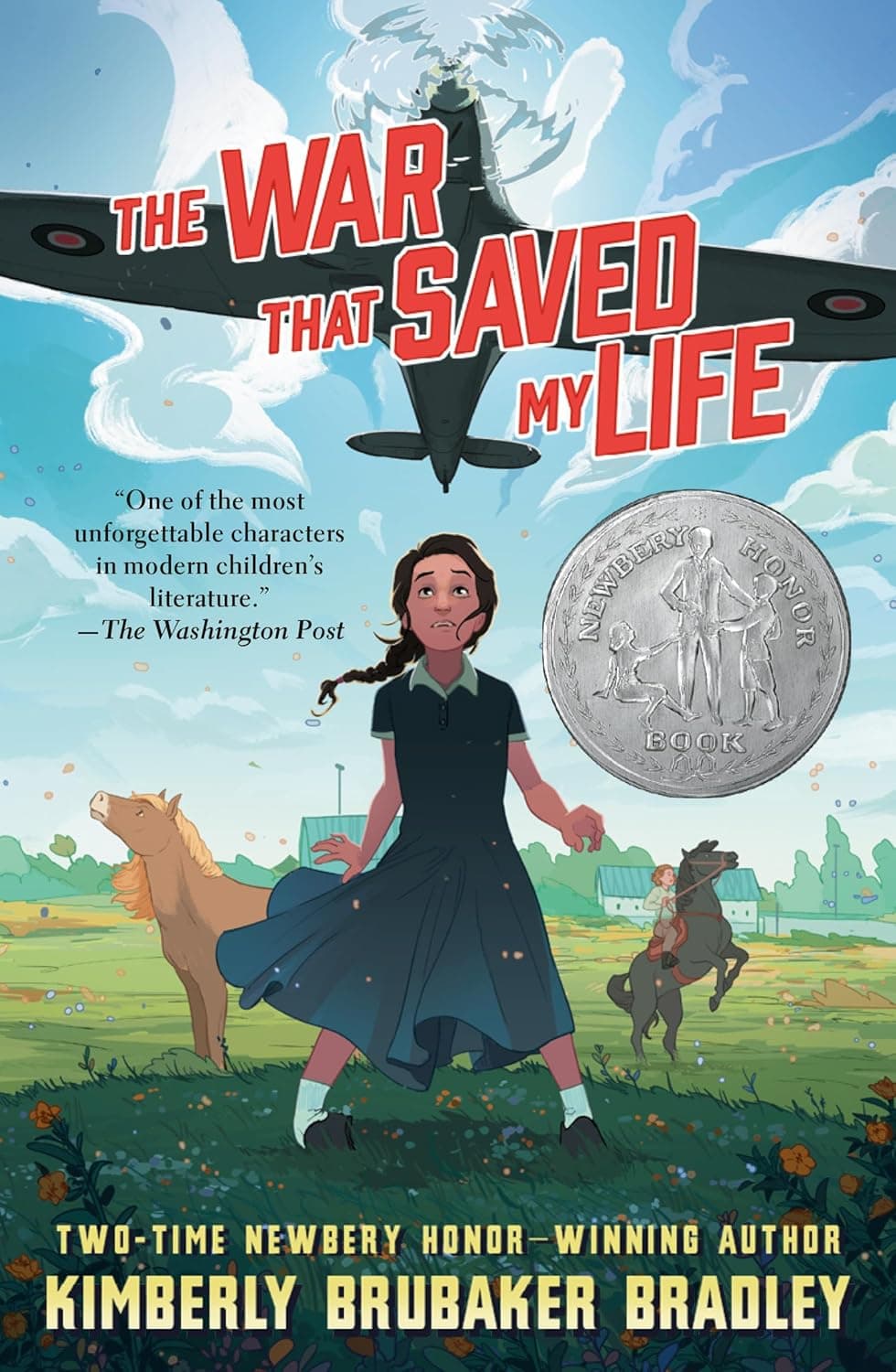
Courage and resilience in The War That Saved My Life ask what it means to act bravely when fear is constant and pain is familiar, and how a person can grow beyond the injuries inflicted by others—and by circumstance. For Ada Smith, courage is not a single daring act but a series of choices that begin in secrecy and end in self-acceptance; resilience is the long labor of healing, learning, and risking trust after trauma. The novel distinguishes survival from recovery: endurance keeps Ada alive, but it is resilience that lets her imagine joy, dignity, and belonging. Against the spectacle of World War II, the story insists that the fiercest battles are intimate—against shame, silence, and the belief that one is unworthy of love—especially when an abuser like Mam has taught you to expect nothing.
How It Develops
At first, courage is purely private. Trapped in a one-room flat and forbidden to walk, Ada resolves to defy the story told about her body and her worth. Her secret efforts to stand, and her escape from London with Jamie, are desperate bids for basic freedom that the world may never see—but they plant the seed of a different identity for Ada, one built on action rather than shame (see the Chapter 1-5 Summary).
Once evacuated to Kent, courage shifts into the open. Under the reluctant care of Susan Smith, Ada risks not just her body but her heart—learning to ride Butter, to read, and to tolerate kindness that feels dangerous after years of cruelty. Each new skill exposes fear of failure and the terror of being “simple,” but the effort itself becomes proof that she is neither helpless nor broken (see the Chapter 11-15 Summary).
By mid-novel, Ada’s bravery grows assertive and public. She chooses usefulness in crisis, insisting on her intelligence when adults dismiss her, and measuring herself against real danger rather than imagined inadequacy. Her work during the Dunkirk evacuation and her refusal to be silenced by authority confirm that resilience has matured from mere endurance into agency—into the right to be heard, to help, to matter (see the Chapter 36-40 Summary).
In the final movement, Ada faces her origins rather than running from them. Confronting Mam and surviving the Blitz force her to test the identity she has been building; the cost is high, but the outcome is transformative. Choosing Susan—and allowing herself to be chosen—turns resilience into belonging, the bravest commitment of all in a life trained to expect abandonment (see the Chapter 41-45 Summary).
Key Examples
Learning to Walk
Ada’s first campaign is against the prison of her own room and the story that pain makes her unworthy. She teaches herself to walk in secret, enduring blood and humiliation in exchange for the possibility of stepping outside the door.
Then I did what I should have done to start with. I taught myself to walk.
If I could walk, maybe Mam wouldn’t be so ashamed of me. Maybe we could disguise my crippled foot. Maybe I could leave the room, and stay with Jamie, or at least go to him if he needed me.
The act reframes her body from a source of shame to an instrument of freedom. Resilience here is muscle-memory for later courage: try, fail, learn, try again.
Learning to Ride
Riding Butter moves Ada from freedom from harm to freedom for joy. Every fall replays the pain of learning to walk, but this time she chooses the risk because the reward is delight and mastery.
- “Falling off didn’t scare me… It hurt, but I kept on.” Her resilience is no longer reactive; it’s a principle she lives by.
- Clearing the stone wall—“He flew it. We’d jumped the wall at last.”—turns private perseverance into a public, exhilarating victory. Ada doesn’t escape limits; she remakes them.
Catching the Spy
When adults belittle her report, Ada refuses to internalize their contempt.
I drew myself up, taller, and glared at the man, and I said, “My bad foot’s a long way from my brain.”
The line is more than a comeback; it is a manifesto separating physical difference from intelligence and worth. Courage becomes advocacy—for herself, and by extension for others dismissed on sight.
The Dunkirk Evacuation
Amid wounded soldiers and chaos, Ada chooses steady, unglamorous service—hauling water, comforting the injured—work that contradicts her old belief that she is useless.
It had been awful, but I hadn’t quit. I had persisted. In battle I had won.
By linking her inner struggle to a national emergency, the novel elevates domestic survival into heroism: resilience is not lesser courage; it is its truest test.
Character Connections
Ada’s arc turns secrecy into strength and strength into love. She begins by equating pain with shame, but action repeatedly contradicts that script until she can claim a new story: she is capable, needed, and worthy. Crucially, her bravest act is not walking or riding—it is trusting that Susan’s care isn’t a trap but a home.
Susan’s courage is quiet and stubborn. Grieving and depressed, she still opens her door and then her heart, modeling a resilience that is consistent rather than dramatic. Confronting Jamie’s teacher and standing up to Mam—“I want you now”—she insists that love is a decision, not a reward, and that choosing to care is itself an act of bravery.
Stephen White embodies moral courage that runs parallel to Ada’s. Staying to care for Colonel McPherson, he accepts responsibility over comfort, showing that resilience can look like reliability: keeping faith with duties no one else sees. His choice underscores the novel’s claim that courage often appears as everyday constancy.
Symbolic Elements
Butter
The pony is mobility made tangible. As Ada learns to ride, Butter becomes the body she can trust—speed, balance, and control replacing the static confinement of the flat. Galloping is joy sanctioned by skill, the physical counterpart to emotional freedom.
Ada’s Clubfoot
What first signifies shame and imprisonment evolves into a testament of endurance. The foot does not need to be “fixed” for Ada to claim dignity; instead, the novel reframes difference as a site of power—proof of what she has overcome and what she can do despite pain.
The War
World War II externalizes Ada’s inner battles. Propaganda slogans—“Your courage, your cheerfulness, your resolution, will bring us victory”—uncannily mirror her private mandates, while the Blitz literalizes the destruction she has already survived at home. Enduring the air raids and their aftermath converts personal resilience into communal valor.
Contemporary Relevance
Ada’s journey speaks directly to modern conversations about trauma, mental health, and chosen family. The book validates survival strategies formed under abuse while also charting the slow work of relearning safety—through boundaries, skills, and trustworthy care. It emphasizes that resilience is not stoicism; it’s the capacity to accept help, cultivate joy, and claim agency. In a world still negotiating disability stigma and the legacies of childhood neglect, the novel offers a humane blueprint for recovery that starts with small, repeatable acts of courage.
Essential Quote
“My bad foot’s a long way from my brain.”
This line dismantles the logic of shame that has governed Ada’s life, separating physical difference from worth and intelligence. It marks the pivot from silent endurance to assertive self-definition—resilience no longer means merely surviving cruelty but challenging the narratives that authorize it.