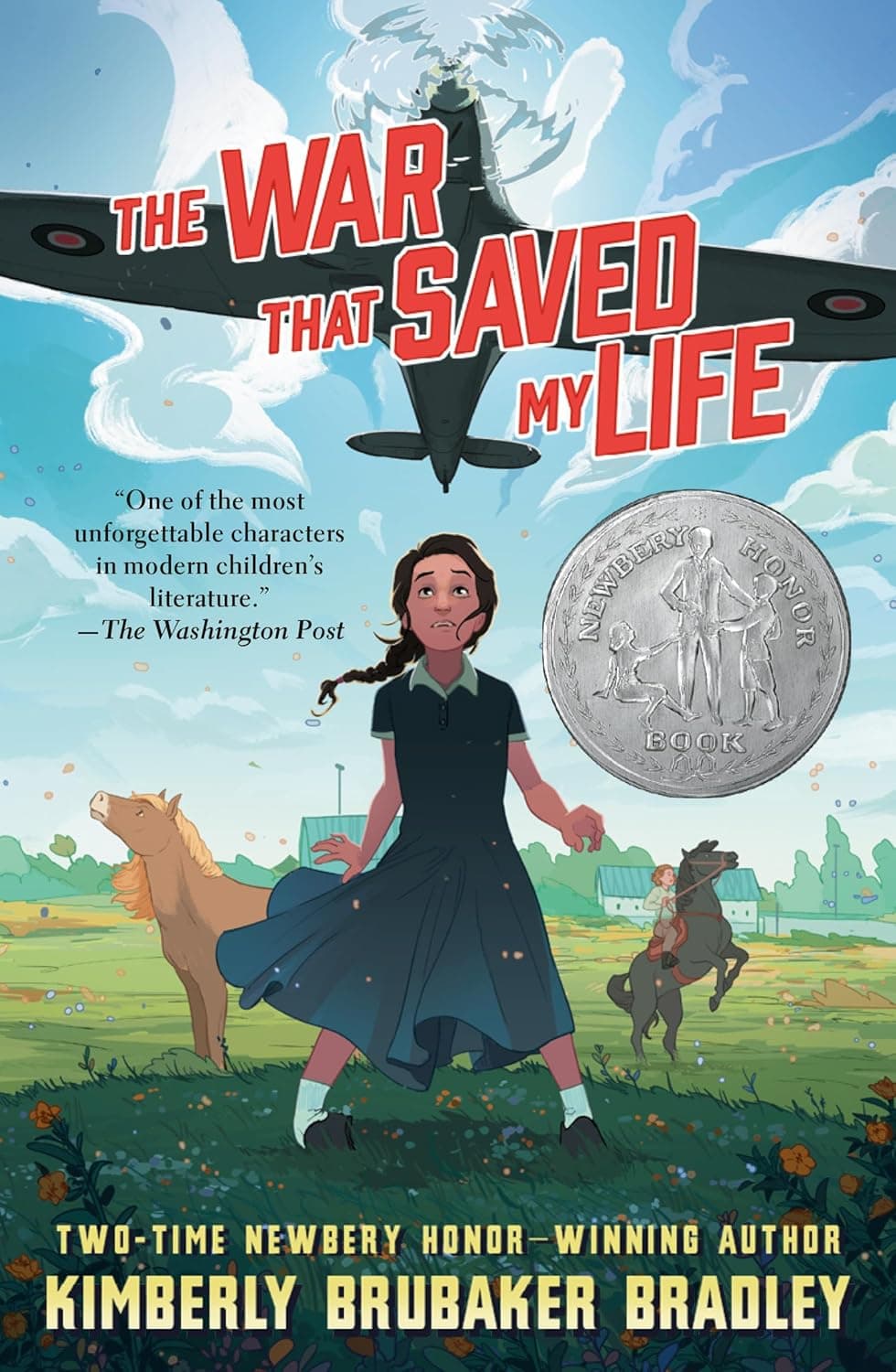
Against the terror of World War II, The War That Saved My Life stages a more intimate battle: a child fighting to escape the cage of abuse and claim a life worth living. As bombs fall, the novel asks whether danger comes more from enemies abroad or cruelty at home—and whether love, learning, and community can rebuild what trauma breaks. The paradox is the point: a devastating war becomes the unlikely engine of Ada’s freedom.
Major Themes
Trauma, Abuse, and Healing
Ada’s story begins with relentless harm—the cabinet under the sink, the slurs of “cripple” and “monster,” the flinching that proves pain has rewired her body and mind—yet it becomes a study in how safety creates the conditions for repair. With Susan Smith, healing is steady and practical: food, gentleness, literacy, medical care, and a calm hand through panic transform the Anderson shelter from a trigger into protection. Symbols chart this arc—the cabinet as prison, the shelter remade into refuge, and Butter the pony as embodied confidence—showing that trauma narrows a life until care widens it again.
Identity and Self-Worth
Raised to believe she is nothing but a shameful foot and a burden, Ada must craft a self beyond labels imposed by Mam. Each new competence—teaching herself to walk, riding Butter, learning to read, even catching a spy—replaces “monster” with “capable,” forcing her to see what the village eventually sees too. The mirror, the green velvet dress, and her birth certificate become turning points in a journey from internalized contempt to earned dignity.
The Meaning of Found Family
The novel contrasts blood ties that wound with chosen bonds that heal, arguing that family is made by care and commitment. Susan’s reluctant guardianship becomes fierce love—defending the children at school, resisting attempts to separate them, and ultimately racing into bombed London to claim Ada Smith and Jamie Smith as “mine.” Even when Susan’s house is destroyed, the story insists that home is people, not walls.
War as a Catalyst for Change
War—normally a force of confinement—opens Ada’s world: evacuation puts her on a train out of her one-room prison and into a village where growth is possible. The same crisis pulls Susan out of isolating grief, reanimating her purpose through care, and forges community resilience through Dunkirk, the airfield, and shared danger. The evacuation train and ever-present airplanes mark how global rupture creates space for personal transformation.
Supporting Themes
Courage and Resilience
Courage isn’t loud here; it’s the daily grit of standing, learning, falling, and trying again. Ada’s persistence mirrors Britain’s wartime resolve, and each act of bravery reinforces her self-worth while enabling healing within her found family.
Freedom and Imprisonment
From the locked cabinet to open fields, the book constantly contrasts constraint and release. Riding Butter feels like flight, while Susan’s grief is its own cage until caregiving unlocks it—linking personal freedom to love and the war’s disruptive push.
The Power of Education and Knowledge
Literacy and learning expand Ada’s world from a single window to a horizon of possibility. Reading, writing, and horse sense from Fred Grimes turn “uneducable” into capable, fueling identity growth and practical autonomy.
Prejudice and Acceptance
Class snobbery, ableism, and fear of evacuees define early encounters—from a teacher condemning Jamie’s left hand to villagers’ suspicion. Through courage and contribution, Ada moves from “simple” to “hero,” and the community shifts from prejudice to embrace, paralleling her own self-acceptance.
Theme Interactions
- Trauma, Abuse, and Healing → The Meaning of Found Family: The injuries inflicted by Mam are countered by Susan’s chosen love; care is the mechanism of repair.
- War as a Catalyst for Change ↔ Freedom and Imprisonment: Evacuation breaks physical captivity even as air raids and shelters impose new constraints, turning danger into opportunity.
- Identity and Self-Worth ↔ Courage and Resilience: Every courageous step (walking, riding, learning) builds identity; growing self-worth, in turn, empowers further risk.
- Prejudice and Acceptance → Found Family and Identity: Social recognition follows personal growth and steadfast advocacy, confirming Ada’s worth publicly as she claims it privately.
- The Power of Education and Knowledge → Freedom and Identity: Literacy and practical skills translate directly into agency, widening the path from survival to selfhood.
Character Embodiment
Ada Smith embodies the passage from trauma to healing and from imposed shame to chosen identity. Her courage and learning convert imprisonment into freedom, making her the novel’s clearest proof that care and knowledge can rewrite a life.
Susan Smith is the agent of healing and architect of found family. War jolts her out of grief, and her pedagogy—reading lessons, calm presence, medical care—turns compassion into transformation.
Mam personifies abuse, imprisonment, and corrosive prejudice. As the antithesis of family, she defines Ada by disability and shame, making Susan’s love a deliberate reversal of harm.
Jamie Smith illustrates resilience, the need for stability, and the affirming power of acceptance. His fascination with pilots and quick bonding in the village show how community can redirect fear into belonging.
Stephen White reflects class assumptions and the spread of rumor that label Ada “simple,” yet his friendship underscores the shift from prejudice to acceptance. He helps register how public perception shapes, and can be reshaped by, personal courage.
Maggie Thorton bridges social divides, treating Ada as a peer and accelerating her self-worth. Through Maggie—and in contrast with her mother, Lady Thorton—the novel critiques class bias while modeling genuine inclusion.
Fred Grimes mentors Ada through horsemanship, where knowledge, practice, and courage intertwine. His steady guidance reinforces education’s role in freedom and identity formation.
Lady Thorton exemplifies entrenched class prejudice and wartime authority, initially resisting the evacuees’ place in the village. Her grudging cooperation marks the community’s arc from suspicion to responsibility.