What This Theme Explores
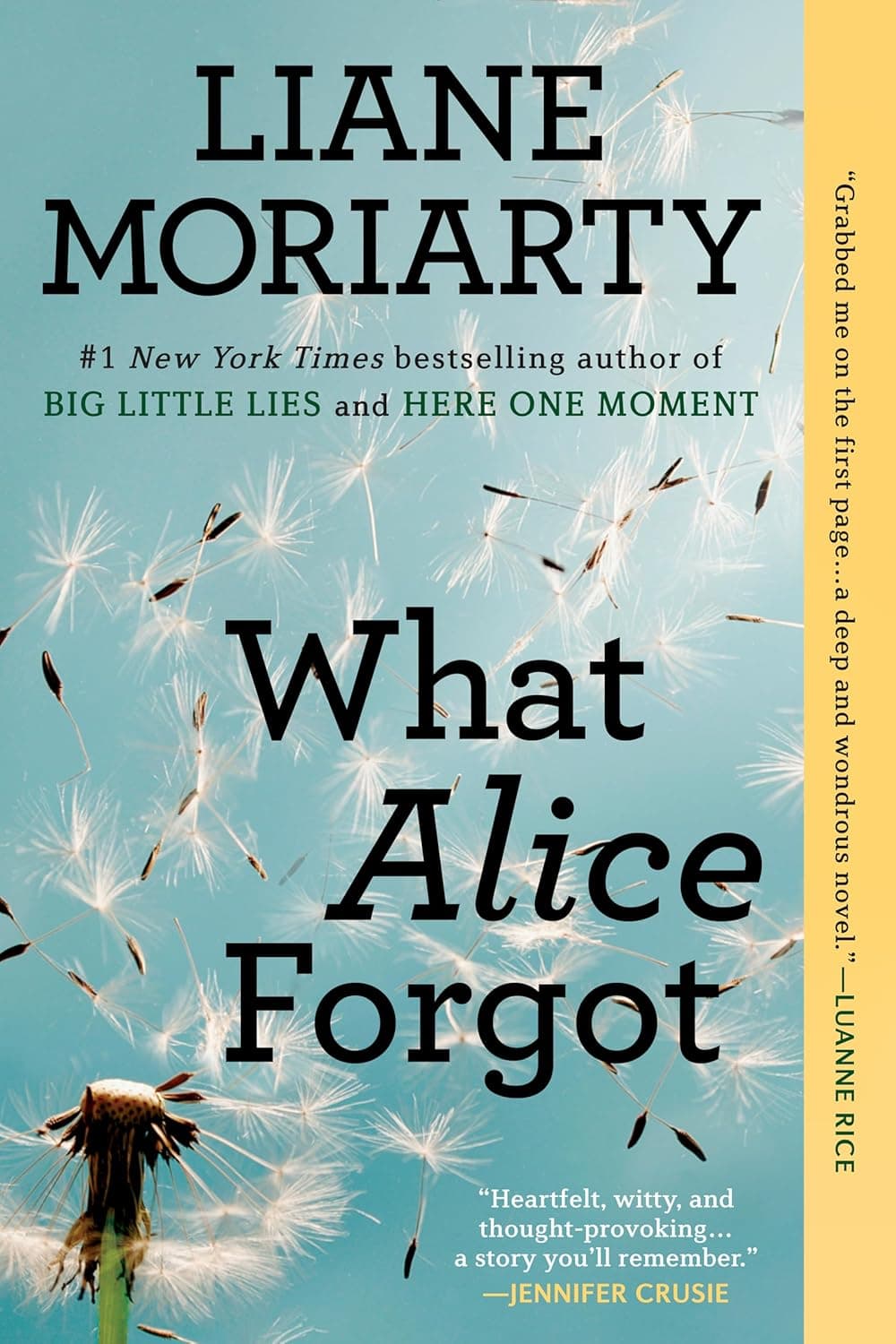
Memory and Identity in What Alice Forgot probes whether the self is a fixed essence or a story we keep rewriting as life accumulates. The novel asks what remains when memory—the connective tissue between past choices and present habits—falls away, and whether a “truer” self emerges in that clarity or whether identity is always a synthesis of versions. It also tests the authority of memory: are we bound by who we remember being, or free to reauthor who we become? In showing how memory can both blind and illuminate, the book suggests identity is not recovered so much as consciously composed.
How It Develops
At the outset, the theme functions as a shock to the system: Alice Love wakes after her fall certain it’s 1998, still giddy about her first pregnancy and in love with Nick Love. In the disorientation of the Chapter 1-5 Summary, she confronts a stranger’s life—an upscale wardrobe, a toned body, and a looming divorce—without the feelings that once justified those outcomes. The rupture reveals how identity is scaffolded by continuity; without it, even familiar roles feel like costumes.
Across the middle stretch—from the Chapter 6-10 Summary through the Chapter 21-25 Summary—Alice becomes a detective of her own life. Others’ recollections supply a piecemeal portrait of the “new Alice,” while her hands and body perform routines her mind can’t name, implying identity also resides in habit and embodiment. Crucially, her 29-year-old perspective judges the harder edges of her 39-year-old self, revealing how memory shapes moral vision as much as biography: the naïveté of youth grants empathy, while the scars of experience can calcify into defensiveness.
By the end—Chapter 26-30 Summary through the Epilogue—a sensory trigger releases the missing decade in a single rush, and Alice must reconcile tenderness with pragmatism, hope with hurt. Remembering doesn’t restore a single authentic self; it reframes her marriage, friendships, and ambitions so she can choose differently. The epilogue confirms a synthesized identity: not the return of a lost girl or the entrenchment of a jaded woman, but a conscious blend that honors both.
Key Examples
-
Initial Amnesia and Identity Disconnect: Alice’s insistence that it’s 1998 and that she’s expecting her first child collides with evidence of a life she can’t remember. The gap between her certainty and reality exposes how much selfhood depends on narrative continuity—and how swiftly identity destabilizes when that throughline snaps.
-
The Shock of the Physical Self: Seeing her older, leaner, cosmetically perfected body, Alice feels alien to her own reflection. The mirror makes identity literal: the “role” her body broadcasts no longer matches her internal story, demonstrating how appearance can both reflect and misrepresent the self we think we are.
-
Fragmented Memories and External Perspectives: Classmates, neighbors, and especially her sister offer conflicting summaries of “Alice,” forcing her to weigh reputation against recollection. As she triangulates among others’ accounts, the novel shows identity as a social construction as much as an internal conviction.
-
The Return of Memory: At Mega Meringue Day, the scent of lemon unlocks the decade in a torrent. The sensory trigger underscores memory’s nonverbal architecture and the way feeling—grief, pride, resentment—rushes in alongside facts, reattaching meaning to previously hollow biographical details.
-
The Synthesis of Identity: After remembering, Alice chooses not to resume old habits uncritically. Instead, she uses the amnesia’s outsider vantage to keep what was vital (playfulness, generosity) and discard what was corrosive (scorekeeping, image-management), modeling identity as revision rather than recovery.
Character Connections
-
Alice Love: Alice embodies the theme by living as two versions of herself at once—the openhearted newlywed and the efficient, brittle mother on the brink of divorce—and then learning to integrate them. Her arc argues that identity matures when we hold onto youthful values (curiosity, warmth) while accepting hard-won insights (boundaries, realism). Her renewed relationship with Nick gains texture precisely because she can see both how they frayed and why they once worked.
-
Elisabeth: Through Elisabeth’s journal, the novel shows memory as scar tissue: infertility grief narrows her world and hardens her tone, subtly recasting her identity around loss. Her movement toward hope parallels Alice’s—both women learn that acknowledging pain without letting it define them is a reclamation of self.
-
Frannie: Frannie’s letters to her late fiancé keep a decades-old love alive, shaping a life built around absence. When she finally opens herself to a new relationship with Xavier, she demonstrates that honoring memory need not mean living inside it; identity can expand without betrayal.
Symbolic Elements
-
The Mirror: Alice’s hesitation and eventual confrontation with her reflection in Chapter 4 dramatize the terror and necessity of self-recognition. The glass returns a truthful image that feels false to her, capturing the novel’s insistence that identity is both what we see and what we can stand to accept.
-
Photographs and Home Videos: These artifacts verify events—birthdays, trips, smiling faces—without supplying the feeling that made them meaningful. They symbolize memory’s limits: documentation records what happened; identity requires why it mattered.
-
The Renovated House: The pristine home born from the couple’s “Impossible Dream” list showcases accomplishment without warmth. Its polish reads as sterility, mirroring how success metrics can crowd out the messy spontaneity that once animated Alice and Nick’s bond.
-
Written Narratives: Elisabeth’s diary and Frannie’s letters literalize memory-as-story. By choosing what to record and how to frame it, they show identity as authored—curated, revised, and, at pivotal moments, rewritten.
Contemporary Relevance
In an era of curated feeds and archived “memories,” the novel’s questions feel urgent: Is the self we project online the one we inhabit, or a version optimized for approval? Alice’s amnesia declutters the brand she built, exposing the incremental compromises that can turn aspiration into armor. Her reset suggests a model for modern life: audit the stories you’re telling about yourself, keep the ones that align with your values, and release the ones that serve only performance. The book argues for intentional authorship of identity in a world of automatic playback.
Essential Quote
“The scent of lemon meringue was becoming stronger and stronger. It was going straight up her nostrils and trickling into her brain, filling it with memory.
Oh, God, of course, of course, of course.
Alice’s legs buckled.”
This moment crystallizes the theme: memory returning not as tidy chronology but as embodied, overwhelming presence that restores meaning to facts. The involuntary trigger shows how identity is stitched from sensations and emotions as much as stories, and why integration requires feeling the past, not just recalling it. Once the memories flood back, Alice can choose what to carry forward—an act of authorship that completes her transformation.