Opening
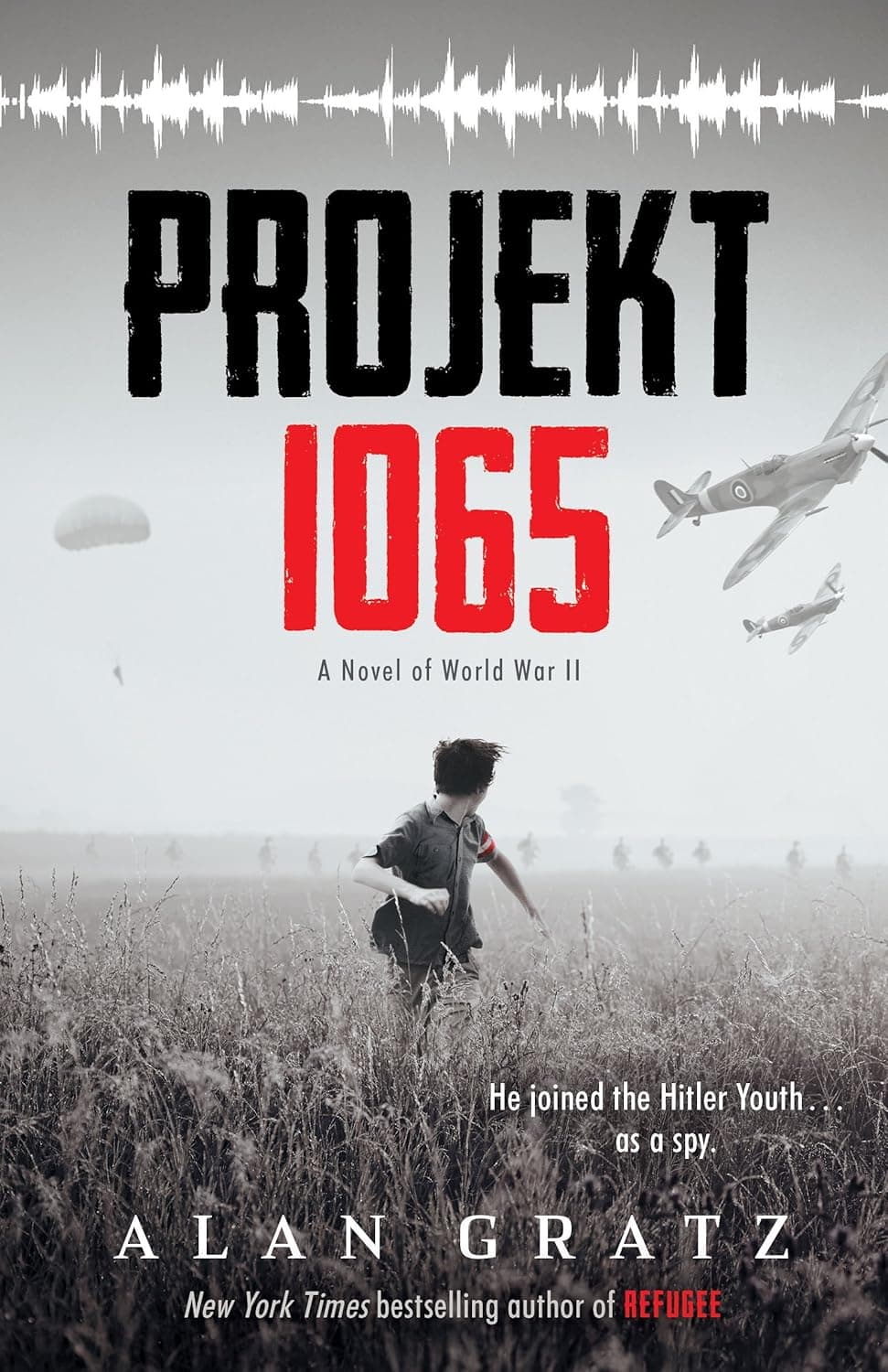
Book flames light Berlin as Michael O'Shaunessey struggles to stay invisible inside the Hitler Youth. When he steps in to shield a smaller boy at a book burning, he sets off a chain of choices that shift him from passive spy to active rescuer—just as a downed British pilot turns the city into a hunting ground. The chapters end with Michael dangling between courage and terror, literally and morally, as he falls from a hayloft.
What Happens
Chapter 11: Three Cheeses Tall
At a Hitler Youth book-burning ceremony, Michael forces himself to join the chant and toss in “degenerate” books to protect his cover. A tiny new boy—mockingly nicknamed “Dreikäsehoch,” or “three cheeses tall”—freezes with a Sherlock Holmes novel in his hands. The boy is Fritz Brendler. Horst, the squad leader, rips the book away and hurls it into the fire, calling it “degenerate English filth.”
The boys circle Fritz, howling “Jew lover!” and “Degenerate!” Michael silently begs him to give in and toss the books, knowing what comes next. When Fritz hesitates, the pack attacks. As they punch and kick the small boy, Michael flashes back to being bullied in London and to the Night of Broken Glass, when he and his parents had to walk past a Jewish man’s beating to protect their mission. He stands paralyzed, torn between survival and conscience.
Chapter 12: Compassion is a Weakness
Shame and memory push Michael forward. He wades into the mob, throwing boys off Fritz with startling ferocity until he’s standing over him like a shield. Michael buys Fritz a lifeline by shouting that the boy was “just taking his time” with the books; Fritz croaks agreement. Horst cuts through the frenzy, mock-warns the boys not to bruise their “Irish guest,” and for a moment the violence ebbs.
Then Horst drives a punch into Michael’s face and lectures both boys as they reel. “Compassion is a weakness,” he says. “All life is struggle.” He boots Fritz again to hammer home the lesson. Fury roars in Michael, but he swallows it. Striking a superior would expose him and endanger his family’s mission—a brutal instance of Moral Compromise and the Cost of War.
Chapter 13: The British Pilot
Horst keeps preaching obedience—right down to turning in your own parents—when a truck from the SRD, the Hitler Youth patrol force, rattles in. The SRD announce a British plane has been shot down and its pilot has parachuted nearby. The Jungvolk erupt with excitement at a real mission.
Michael feels only dread for the airman. There’s no time to warn his parents, who have helped Allied pilots before. As the truck pulls away, Fritz calls to Michael from the back. Michael makes a snap decision, swings aboard, and vows to save the pilot himself—an instant shift from watchful spy to active agent.
Chapter 14: The Hunt Begins
On the truck, Michael tries to distance himself from Fritz; gratitude would mark them as friends. Fritz thanks him anyway—and then stuns him: he wants to learn to fight so he can join the SRD and, one day, the SS. Michael had read Fritz’s hesitation at the bonfire as conscience; instead, he sees how deep The Corrupting Influence of Ideology has sunk its hooks into him, remapping a frightened boy’s dreams into loyalty to brutality.
They arrive at a farm where two SS officers take command. The boys split into search teams; Michael’s group gets the farmhouse and barn. Knowing a captured pilot will face torture and death, Michael bolts for the barn, determined to reach the airman first and steer him to safety.
Chapter 15: The Hayloft
Inside, Michael chooses the barn as the most logical hiding place. Fritz stalks in behind him, snatching a pitchfork and stabbing into hay bales. Each jab makes Michael flinch, terrified the hidden pilot will be skewered. The loft is an even better hiding spot—but it’s also Michael’s private nightmare.
He forces himself up the ladder with eyes squeezed shut. Gasping, he hauls into the loft and whispers in English, offering help. Silence. A frantic search turns up nothing. He edges back toward the ladder, bracing for the descent he dreads. Fritz’s head pops over the lip of the loft. Michael instinctively looks down. The ground reels, his limbs lock, and he pitches into empty air—the chapter snapping off on a cliffhanger that literalizes his fear and his fall into danger.
Character Development
Michael’s instinct to protect the weak breaks through his spy training. That choice—and his decision to save the pilot himself—pushes him from passive observer to risk-taking actor, even as his fear of heights exposes a raw, personal weakness he must confront.
- Acts on conscience, not cover, when he shields Fritz
- Controls rage after Horst’s punch to preserve the mission
- Commits to rescuing the British pilot without help from his parents
- Reveals acute acrophobia that complicates his bravery
Fritz is a study in contradiction. He clings to Sherlock Holmes and quails under a beating, yet he dreams of joining the SRD and the SS—evidence of how powerfully propaganda molds a child. He brings the tension of Friendship and Betrayal before any true friendship forms.
- Appears gentle and bookish, then declares ambition to serve the regime
- Seeks Michael’s help to become tougher, creating a fraught bond
- Embodies how fear and a need to belong can curdle into complicity
Themes & Symbols
The chapters braid moral conflict with indoctrination. Michael’s split-second choices spotlight Moral Compromise and the Cost of War: he both risks his cover to save a boy and suppresses righteous anger to protect a larger mission. Courage, Fear, and Confronting Weakness cuts both ways—Michael fights a mob, yet the ground beneath a hayloft nearly unmans him. His climb is both rescue attempt and private trial.
The Corrupting Influence of Ideology saturates the youth culture. Horst’s slogans reduce compassion to defect; Fritz’s aspirations show propaganda rewriting identity. Even gratitude becomes political risk, as Michael keeps Fritz at arm’s length to survive.
Symbols:
- The book burning: a public erasure of thought and individuality; Fritz’s hesitation is a flicker of resistance snuffed by fear and conformity
- The hayloft ladder: the narrow ascent toward courage, and the dizzying cost of looking down
- The pitchfork: the weaponization of everyday tools in service of the hunt
Key Quotes
“Compassion is a weakness.”
Horst’s credo distills the regime’s demand to amputate empathy. It directly challenges Michael’s defining trait and forces him to weigh humanity against survival.
“All life is struggle.”
This second maxim frames violence as virtue and justifies cruelty as strength. It primes boys like Fritz to admire power and despise mercy.
“Degenerate English filth.”
Horst’s slur as he burns Sherlock Holmes turns literature into enemy combatant. The insult fuses nationalism with censorship, showing ideology policing even private taste.
“My parents and I had walked away from the Jewish man… But I was right here, right now.”
Michael marks a turning point: he refuses to repeat past inaction. The line shifts his role from witness to actor and sets up his decision to rescue the pilot.
Why This Matters and Section Significance
These chapters pivot the narrative from covert observation to high-stakes action. Michael’s defense of Fritz forges a volatile bond that complicates every choice thereafter, while the downed pilot ignites the book’s central external conflict: a manhunt that tests loyalties, deception, and speed. Internally, Michael’s vow to act—and his paralyzing fear of heights—propel his Coming of Age and Loss of Innocence. He learns that courage often means choosing when not to strike, when to lie for a higher truth, and when to risk everything for one life. The cliffhanger fall underscores the danger ahead—in the air, in the barn, and inside Michael himself.