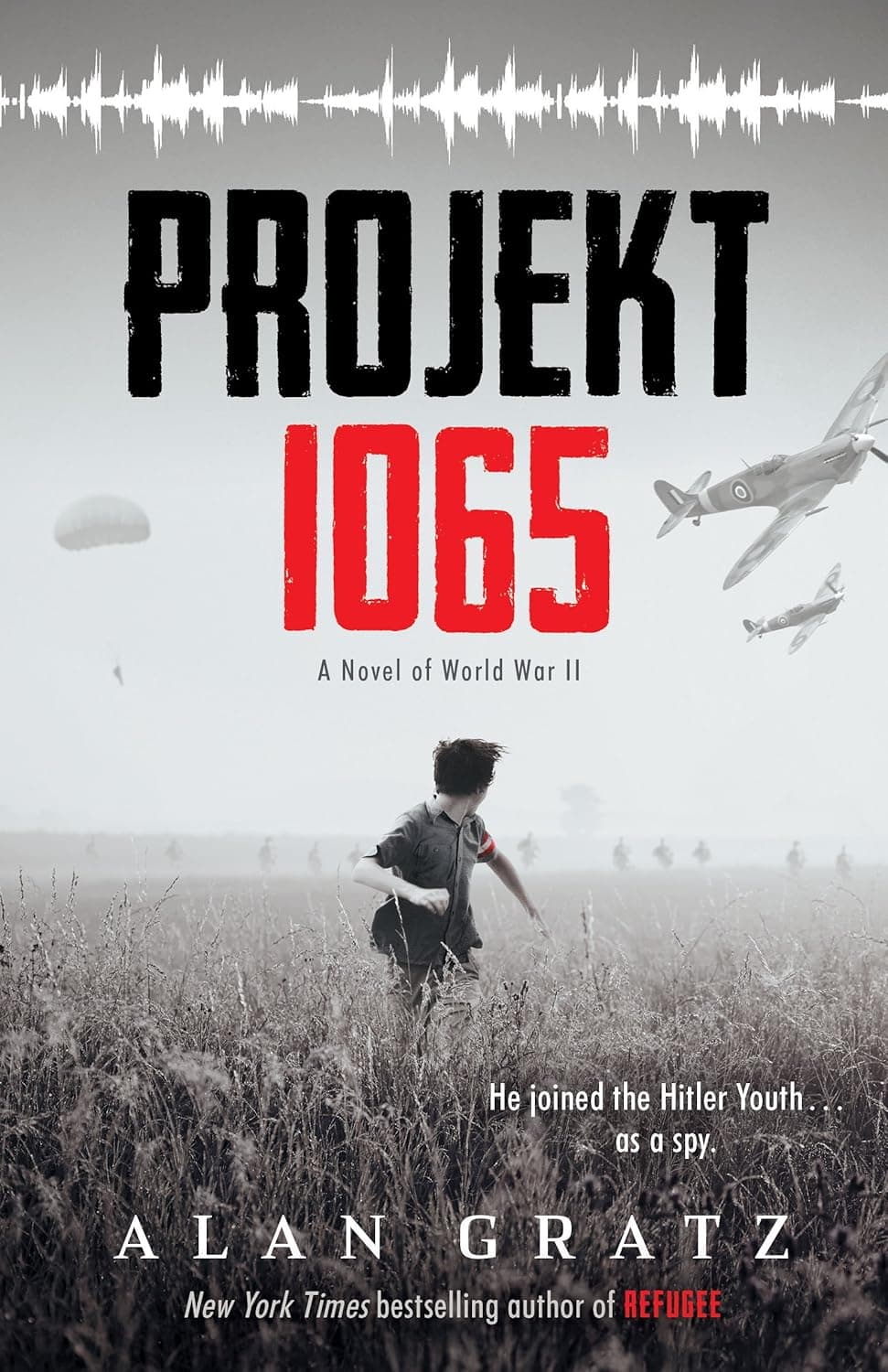
Opening
In these chapters, Michael O'Shaunessey moves from careful observer to daring saboteur. His greatest fear is exposed, a risky friendship forms, and a high-stakes rescue spirals into a devastating loss when crucial intelligence is destroyed before his eyes.
What Happens
Chapter 16: A Shared Secret
In the hayloft, Michael’s terror of heights pins him in place. He stumbles at the edge and nearly falls before Fritz Brendler yanks him back. Shaken, Michael admits his acrophobia. Fritz doesn’t sneer or weaponize the weakness; he quietly vows to keep the secret.
Michael is stunned. In a world where Nazi culture punishes any flaw, Fritz’s kindness feels illicit. If the other Hitler Youth heard, they would harass him relentlessly. By saving him—and agreeing to silence—Fritz forges a tenuous bond with Michael, even as the search for the downed pilot continues. The moment seeds the tension of Friendship and Betrayal that will shadow them both.
Chapter 17: The False Trail
Outside, Michael spots wet blood and a boot print in the hedgerow. The pilot is heading east toward the foothills. Thinking fast, Michael erases the real signs and builds a fake path to the west—kicking dirt, snapping branches, and calling the others to his “discovery”—a decisive step into Deception and Espionage.
The ruse works—until it doesn’t. While breaking another branch, Michael glimpses a sliver of blue uniform in the same hedgerow. Horror floods him: the pilot lies hidden exactly where he has steered the entire search party.
Chapter 18: A Desperate Gamble
Michael whispers first in German, then English: he’s here to help. The injured pilot—arm gashed, ankle sprained—answers with dry, clipped humor, and a quick alliance forms under pressure. With Hitler Youth and SS-Obersturmführer Trumbauer closing in, Michael realizes the pilot’s original blood trail is itself a clever feint.
He improvises a second misdirection. Cutting his own palm, he leaves droplets of his blood leading away from the hedgerow and back toward the mountain path. It’s a painful, calculated risk—evidence of Moral Compromise and the Cost of War. Urging Fritz to “find” the new trail, Michael prays the SS won’t notice the real hiding place.
Chapter 19: The Befriending Barn
Fritz takes the bait, shouts his discovery, and the entire party veers after the false blood. With the area momentarily clear, Michael helps the pilot into the barn; a place already searched is the best hiding spot. As he stashes the man in hay, he reveals that his parents, Davin O'Shaunessey (Da) and Megan O'Shaunessey (Ma), are spies who can arrange an escape.
Before disappearing into his nest of straw, the pilot gives Michael a new mission: he flew reconnaissance and hid a camera in one of the haystacks; the film must reach the Allies even if he doesn’t. Michael privately nicknames the place die Freundschaftserweisungsscheune—the “befriending barn”—where he shelters a wounded ally and deepens a dangerous bond with Fritz. The moral fog thickens as Michael’s Coming of Age and Loss of Innocence accelerates.
Chapter 20: A Crushing Defeat
Michael frantically searches the haystacks. Nothing. The search party returns empty-handed from the hills. Fritz asks where Michael has been; Michael lies. Fritz calls him a “gumshoe,” an odd Americanism that lodges under Michael’s skin—another reason to doubt where Fritz truly stands.
An SS officer berates the boys and vows the “British spy” will fall because “every German is his enemy”—a claim Michael knows is a lie. Then comes the blow: the officer raises a large black camera. With a cold grin, he opens the back, exposing the film and annihilating the intelligence. The pilot lives, but the mission fails, underscoring The Corrupting Influence of Ideology in the officer’s casual destruction of truth.
Character Development
Under relentless pressure, Michael evolves from watcher to actor, learning to manipulate lies, friendships, and even his own blood to skew outcomes. The victories are partial, the costs concrete, and every choice binds him tighter to his double life.
- Michael O'Shaunessey: Faces his crippling fear, orchestrates layered misdirections, and accepts pain as a tool. His quick thinking saves the pilot but forces him to deceive Fritz, sharpening his moral calculus.
- Fritz Brendler: Reveals unexpected empathy by saving Michael and guarding his secret, yet flashes of ambition and the incongruous “gumshoe” hint at secrets of his own.
- The Pilot: Wounded yet witty, he trusts fast and delegates decisively, reframing Michael’s task from rescue to intelligence recovery.
Themes & Symbols
Deception defines survival. Michael’s escalating ruses—erasing blood, planting branches, bleeding for a stronger trail—show espionage as performance and endurance. Lies protect the vulnerable and endanger the liar; every clever gambit risks catastrophic reversal.
Courage fractures into types. Michael’s terror of heights doesn’t stop him from bold action; he suffers for a stranger to save a mission. Friendship and Betrayal entwine as kindness and secrecy bind Michael and Fritz even while their loyalties pull apart. The moral compromise of self-harm in service of a greater good exposes the cost of war on body and conscience. At the edge of it all stands ideology, which condones cruelty and erases nuance, culminating in the deliberate ruin of the film.
Symbols sharpen the stakes. Blood shifts from vulnerability (the pilot’s injury) to agency (Michael’s self-inflicted trail), turning pain into strategy. The “befriending barn” is an ironic sanctuary: it shelters both the lie and the truth, a place of peril that nevertheless births trust.
Key Quotes
“A bully who found your most painful wound and poked at it with a stick.”
This captures Michael’s view of Nazi culture and why Fritz’s compassion shocks him. The line frames kindness as resistance and primes the tension in their fragile bond.
“The film must get to the Allies, even if I don’t.”
The pilot reorients the mission from rescue to intelligence. His willingness to be expendable underscores wartime priorities and burdens Michael with a higher purpose.
“Die Freundschaftserweisungsscheune”—“the befriending barn.”
Michael’s darkly comic label highlights the barn’s paradox: danger and refuge at once. The name marks a turning point where alliances form inside enemy territory.
“Gumshoe.”
Fritz’s casual American slang jars Michael. The single word becomes a clue that Fritz isn’t as simple—or as ideologically pure—as he pretends.
“Every German is his enemy.”
Spoken by the SS, this absolutist claim exposes ideology’s flattening force. It contrasts with the reality of German dissent and justifies the officer’s destructive power play with the camera.
Why This Matters and Section Significance
These chapters mark Michael’s transition into full-fledged fieldwork. He rescues a pilot, outwits a search party, and leverages pain as a tool—only to watch a hard-won objective burn away in seconds. The win-then-loss rhythm captures the volatility of spycraft: success is piecemeal, setbacks are brutal, and trust is both weapon and wound. Michael’s complicated connection with Fritz becomes a live wire running through the story, powering future choices, betrayals, and the perilous question of who is safe to believe.