Opening
A desperate visit home pulls Frances Janvier deeper into Aled Last’s unraveling life as she confronts the truth about his family. Across these chapters, control and cruelty collide with fragile connection, culminating in an intimate flashback that explains why Frances feels compelled to save him now.
What Happens
Chapter 66: GALAXY CEILING
Spurred on by her supportive mum, Frances goes to the Lasts’ house to see Aled. Instead, his mother, Carol Last, greets her with brittle politeness that quickly turns cold. Carol claims Aled stayed at university to catch up on deadlines and blames his struggles on “partying” and “silly little projects,” dismissing his creative work on Universe City. She even contrasts him with his “hateful” sister, Carys Last, framing herself as the long-suffering, sensible parent.
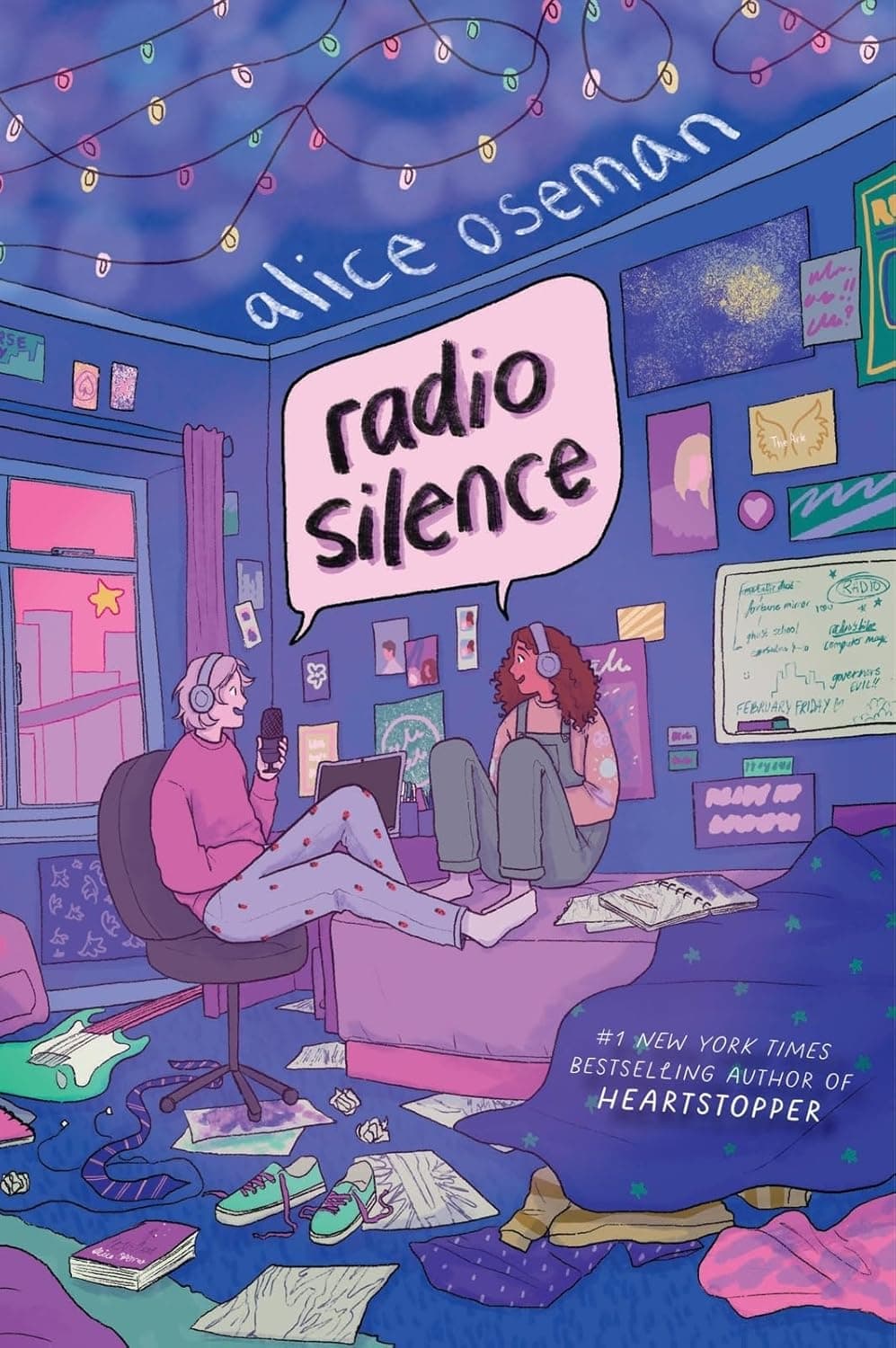
Carol offers to show Frances the “rearrangements” she’s made to Aled’s room. Upstairs, Frances finds a chilling erasure: white bedding and curtains replace his colors, posters and stickers vanish, fairy lights lie knotted in a box—and the hand-painted galaxy across his ceiling is painted over. Carol gloats that “a cleaner, emptier space makes a cleaner, sharper mind.” Frances pretends to agree long enough to rescue a box of Aled’s things and his cityscape blanket, recognizing the act as a violation of his sanctuary.
Chapter 67: 3.54AM
Back home, Frances tells her mum what Carol has done. They both know they can’t fix it tonight. Wide awake and terrified of repeating her past failure with Carys, Frances forces herself to call Aled despite her phone anxiety. He answers. After a stilted start, she tells him about his room. He sounds resigned.
Frances invites him to stay with her for Christmas, and he accepts. The call reveals the grind of The Pressure of Academia and the Education System: he’s up at 3:54 a.m. pushing an essay to the finish line. The pressure breaks him. He sobs that he doesn’t “want to do this any more,” laying bare his depression and entrapment—core to Mental Health and Well-being. He hangs up, but the conversation reopens a fragile thread of Loneliness and Connection between them.
Chapter 68: BURNING
On December 23, Aled arrives with longer hair and pastel-pink ends, a soft assertion of Identity and Authenticity. The reunion with Frances is careful but warm. He decides to tell Carol in person that he’ll be staying with Frances.
Thirty minutes later, a raw, animal scream tears out of the Lasts’ house. Aled staggers outside and collapses into Frances’s arms, sobbing. Carol, during his time at university, had Brian—the elderly family dog—put down, claiming she couldn’t care for him. This is a calculated, intimate cruelty, burning away the last innocent piece of Aled’s home life and escalating Abusive Family Dynamics to a shocking, irreversible act.
Chapter 69: RUSTY NORTHERN HANDS
Numb, Aled insists on returning to university immediately; he can’t breathe in the same town as his mother. To show this isn’t new, he shares a childhood memory: Carol found galaxy-print trousers Carys bought, labeled them “trashy,” and chose to burn them in the garden as Carys screamed. Carys scorched her hands trying to save them, and Aled bandaged her.
At the station, the two share a quiet, anchoring intimacy. Aled shows his cracked knuckles; Frances calls them “rusty northern hands,” a tiny symbol for their shared vulnerability. He admits, “Sometimes I think we’re the same person… but we just got accidentally split into two before we were born.” They hug, forgiving and holding on, before he boards the train back to isolation.
Chapter 70: MY FRIEND
A flashback returns to GCSE results day. Carys fails all her exams and spirals at Frances’s house, raging about Carol and school. While comforting her, Frances impulsively kisses her.
Carys recoils, furious and hurt, accusing Frances of not being a real friend and “pretending” to care. The next day, Carys runs away and cuts off all contact. Frances has lived with the guilt ever since, convinced she pushed Carys away. The memory clarifies why Frances clings so fiercely to saving Aled now and acknowledges the messy reality of LGBTQ+ Identity and Representation: desire, fear, and friendship colliding at the worst possible moment.
Character Development
Frances steps toward courage and care, while Aled’s exhaustion meets a final, devastating blow at home. Carol’s mask drops completely; Carys’s past pain comes into focus.
- Frances: pushes through phone anxiety, shows practical and emotional care, and reveals the origin of her guilt that drives her to protect Aled.
- Aled: openly breaks under academic strain, experiments with self-expression (his hair), reconnects with Frances, then retreats to survive.
- Carol: moves from controlling to openly sadistic, destroying literal emblems of her children’s joy.
- Carys: emerges as a brilliant, struggling teen stifled by her mother and school, whose departure reshapes Frances’s choices.
- Frances’s mum: offers stable, nonjudgmental support that contrasts sharply with Carol’s control.
Themes & Symbols
Carol’s control crystallizes the pattern of Abusive Family Dynamics. She doesn’t just tidy or supervise; she erases and annihilates—painting over the galaxy ceiling, burning Carys’s trousers, killing Brian. The “burning” motif shows purposeful destruction of what her children love. Against this, Aled’s pink-tipped hair and the tender “rusty northern hands” moment become small acts of resistance and comfort—signs of Identity and Authenticity and Platonic Friendship and Love persisting under pressure.
The system amplifies the harm. Aled’s 3:54 a.m. breakdown embodies The Pressure of Academia and the Education System and its collision with Mental Health and Well-being. Yet despite isolation, Frances and Aled keep reaching, reviving Loneliness and Connection through phone calls, hugs, and shared language. The flashback threads in LGBTQ+ Identity and Representation with painful realism: a moment of queer desire that costs a friendship and leaves years of guilt in its wake.
Key symbols:
- The galaxy ceiling: Aled’s private universe—imagination, safety, and self—deliberately erased.
- Burning: Carol’s signature violence; not removal, but destruction.
- “Rusty northern hands”: a small, tactile emblem of closeness and mutual care amid chaos.
Key Quotes
“A cleaner, emptier space makes a cleaner, sharper mind.” Carol’s tidy aphorism masks domination. She justifies erasing Aled’s identity as optimization, revealing how abuse often hides inside the language of productivity and care.
“I don’t want to do this any more.” Aled’s breakdown turns academic stress into a crisis of survival. The line exposes the system-level pressure crushing him and reframes his silence as exhaustion, not apathy.
“Sometimes I think we’re the same person… but we just got accidentally split into two before we were born.” Aled names a soulmate-level friendship that’s nonromantic but profound. The bond steadies both characters and becomes the emotional ballast of the section.
“Rusty northern hands.” Frances turns Aled’s cracked knuckles into a gentle joke and a symbol. The phrase carries warmth, place, and shared vulnerability—proof that intimacy can be word-sized.
“She chose to burn them.” Choice matters. Aled’s emphasis shows Carol’s acts are not mistakes but deliberate cruelty, linking the trousers, the galaxy ceiling, and Brian into one pattern of destruction.
Why This Matters and Section Significance
These chapters function as an emotional climax. Carol’s actions move from covert control to overt sadism, closing any path to reconciliation and forcing Aled into flight. The annihilation of the galaxy ceiling and the killing of Brian make the novel’s antagonism brutally personal.
At the same time, Frances and Aled’s reconnection becomes the story’s spine. Their station goodbye proves that platonic love can be as anchoring as romance. Finally, the flashback reframes Frances’s urgency: she isn’t just a worried friend—she’s someone living with real, formative guilt, determined not to lose another person she loves.