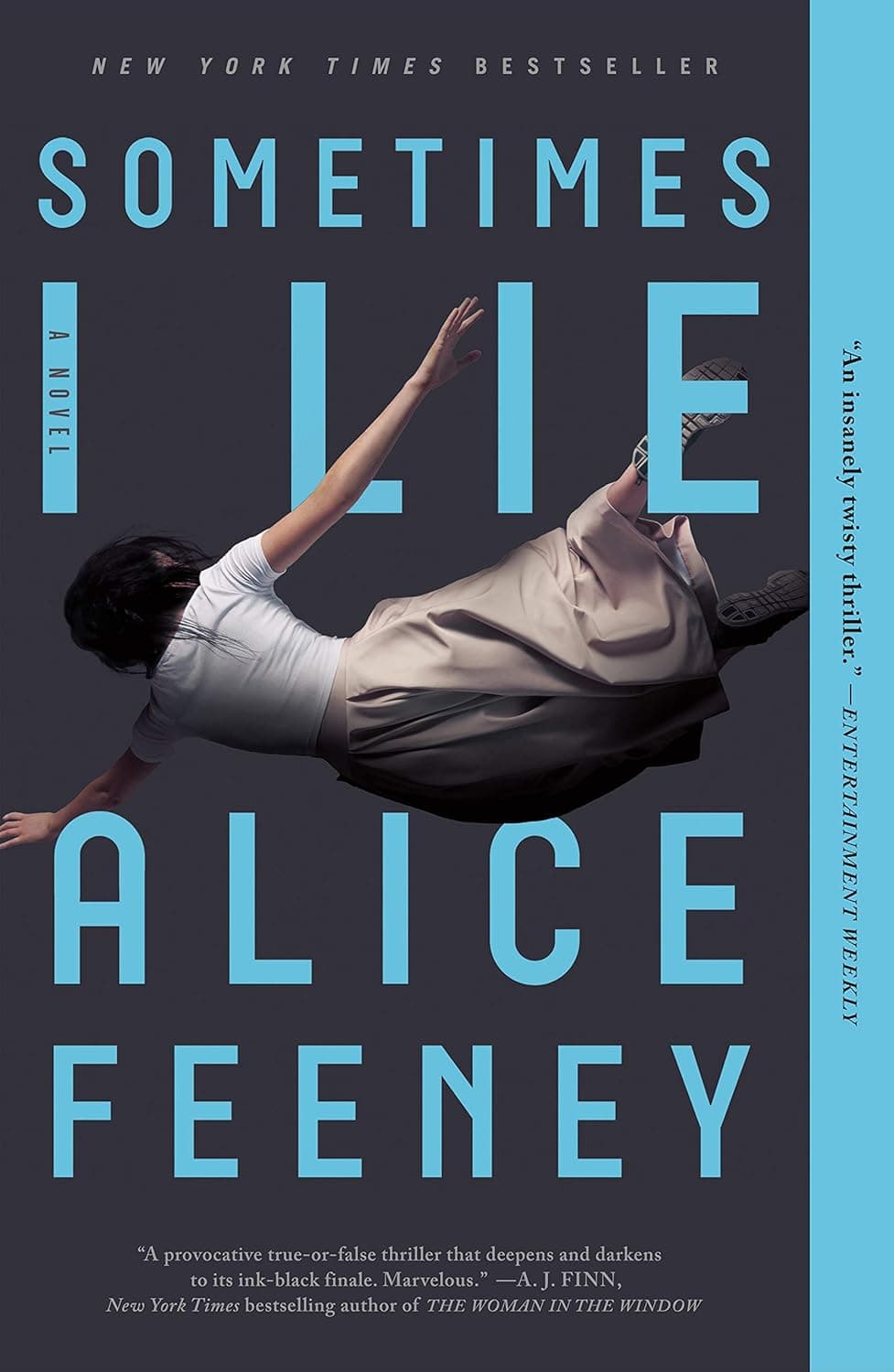
Opening
These chapters plunge deeper into the fractured mind and perilous reality of Amber Reynolds. As the present-tense coma narrative collides with pre-accident scheming and a haunting childhood diary, the mystery widens—and then narrows into a terrifying truth: danger sits at Amber’s bedside, and it knows her name.
What Happens
Chapter 21: Life is But a Dream
In the coma, Amber fixates on her family and the love that always seems conditional. She worries about her husband, Paul Reynolds, who hasn’t returned after rumors of his arrest, and she replays her old resentment toward her sister, Claire. The hospital routine becomes her metronome—being washed, tube-fed, positioned—each humiliation a reminder of total Confinement and Powerlessness. She clings to the nurses’ footsteps like a tide chart.
Her tenuous grip on Memory and Reality snaps. It’s raining in the room. Her bed turns into a boat. A faceless girl in a pink dressing gown appears and sings “Row, row, row your boat,” then rocks them until the boat flips. Amber sinks, powerless. The dream fractures into a code-blue emergency—doctors pounding her chest, air flooding her lungs—and through the blur, her dead father stands at the end of the bed. He apologizes for their last conversation, looks impossibly old, and says, “Life is but a dream,” before turning away and leaving her again.
Chapter 22: The Magician Gloves
One Thursday “Before,” Amber wakes from a nightmare of being on Madeline Frost’s radio show. Paul comforts her, but she hides her sudden vomiting and then performs a private ritual: plucking exactly ten eyebrow hairs and washing them down the sink. Alone in her study, she pulls on white gloves, sits at her desk, and composes a threatening letter to Madeline. She hints she knows a buried secret and vows to expose it if Madeline doesn’t comply. It’s a calculated act of Deception and Unreliable Narration: Amber lies on paper, to Paul, and perhaps to herself.
Paul catches her in the study. Amber claims she’s writing Christmas cards; he says he must dash to his mother’s house because of a distressing text. While he showers, she checks his phone—no text. After he leaves, the blinking landline light draws her in: a message from Paul two days ago proves he did call from his mother’s. The contradiction rattles her. She listens to a saved message from her late father, then hits redial on the last outgoing number—and the line connects to Claire, a call Amber knows she didn’t make.
Chapter 23: The Poison
Amber arrives at the station nauseous and raw, fixated on the lingerie bag she thinks Paul took with him—proof, she fears, of infidelity. In the studio’s cutthroat atmosphere, every woman looks like a threat. She vomits at work; her colleague, Jo, overhears and suggests a chemist.
After the show, Amber executes a plan for Justice and Revenge. Madeline isn’t food-poisoned—Amber spiked her coffee with laxatives. Playing the caring colleague, she offers to drive the doubled-over presenter home. On the way, Amber notes the fuel gauge hovering on empty. When they pull up, a shock runs through her: she recognizes Madeline’s house. The present collides with a memory she’s tried to bury.
Chapter 24: Dead Goldfish
A diary entry from Easter Sunday, 1992, returns to ten-year-old Amber’s world: a best friend named Taylor is away on holiday; her mother drinks and neglects the house; her father, who services vending machines, brings home boxes of free sweets that sometimes substitute for dinner. At school, a vigilant lunch monitor notices Amber eating only Kit-Kats and sends her for a hot meal. From the dining hall she sees girls bullying Taylor on the playground.
Searching for her friend later, Amber finds the classroom empty—except for a goldfish floating belly-up. She lifts the tiny corpse out, mesmerized. Taylor walks in, takes the fish from Amber’s hands, returns it to the tank with gentle care, and quietly dries Amber’s hands before drying her own. The wordless exchange cements an intimate, unusual bond that will echo for decades, complicating their later lives and feeding the current of Sisterhood and Toxic Relationships and the weight of Trauma and its Lasting Effects. Only later does the truth surface: Taylor is Claire.
Chapter 25: The Wrong Maths
Back in the hospital, Amber forces herself to name reality: her parents died over a year ago in an Italian coach crash. Their last conversation was cruel; they named Claire, not Amber, as their next of kin—a memory that sharpens her sense of Guilt and Blame. Paul returns with Claire and slips earbuds into Amber’s ears—their wedding song, then other meaningful tracks—drowning out the ward.
When the music stops, shards of a tense conversation reach her. Police suspect Paul of driving the car and believe he’s abusive. Claire urges him to pull himself together, then asks if he wants to talk about “the baby.” He shuts it down. After they leave, a man enters and locks the door. Amber recognizes his voice. He says he works at the hospital and admits he tried to kill her with an overdose but “got the maths wrong.” He is Edward Clarke. He kisses and gropes her paralyzed body, then walks out, leaving Amber to face the horror that her would-be murderer can come and go as he pleases.
Key Events
- Amber’s hallucination floods the ward: a boat, a faceless girl, and her father saying, “Life is but a dream.”
- “Before”: Amber dons white gloves to write a threatening letter to Madeline, then catches Paul in a lie that’s muddled by a conflicting phone message.
- At work: Amber spikes Madeline’s coffee, plays chauffeur, and recognizes Madeline’s house from her past.
- Diary: young Amber and Taylor share a quiet ritual over a dead goldfish, deepening their bond; Taylor is, in adulthood, Claire.
- “Now”: Paul is a police suspect for driving and alleged abuse; Claire mentions “the baby.”
- Edward Clarke reveals himself as an insider who tried—and failed—to kill Amber, then sexually assaults her.
Character Development
Relationships twist and darken as motives blur. Amber’s agency surges in the “Before” timeline even as her body is trapped in the “Now,” and every revelation about Paul and Claire refracts through a past that refuses to stay buried.
- Amber: Vengeful, meticulous, and spiraling—she poisons a rival, performs OCD rituals, and narrates through a cracked lens shaped by grief and guilt.
- Paul: A maze of contradictions—he lies and also leaves verifiable traces; suspicion of abuse and involvement in the crash recasts him as possibly dangerous.
- Claire: Both protective and secretive—she steadies Paul while hinting at deeper entanglements (“the baby”) and carries a long, fraught history with Amber dating back to childhood as Taylor.
- Madeline: More than a workplace foe—her house ties her directly to Amber’s past, making the feud personal and possibly long-standing.
- Edward Clarke: The threat made flesh—his clinical confession and assault transform the mystery into a survival thriller.
Themes & Symbols
These chapters braid deception, control, and fractured memory into a single tightening noose. Deception and Unreliable Narration thread through Amber’s letters, lies, and internal rationalizations, while Paul’s contradictory evidence forces both Amber and the reader to question every assumption. Memory and Reality collapse into each other: a father’s ghost, a sinking boat, and a song that insists life itself might be a dream.
Manipulation and Control reach from the banal to the brutal. Amber poisons Madeline to access her home; Paul curates Amber’s sensory world with earbuds; Edward locks the door and commits violence against a body that cannot resist. Trauma and its Lasting Effects flood the narrative from the 1992 diary: neglect, hunger, and the strange tenderness with Taylor shape the women they become. Symbols deepen the mood—dead goldfish as a shared, morbid intimacy; low petrol as a quiet countdown; water and drowning as the felt truth of Amber’s coma, submerging her in secrets she can barely surface.
Key Quotes
“Row, row, row your boat.”
A nursery rhyme becomes an omen. The faceless girl’s lullaby turns the hospital into open water and the bed into a boat, fusing innocence with terror and signaling how easily Amber’s mind drifts from sterile present to engulfing subconscious.
“Life is but a dream.”
Spoken by Amber’s father at the foot of her bed, the line doubles as comfort and curse. It unsettles any confidence in what’s real—visions, memories, even love—while pushing Amber toward the brutal work of choosing reality.
“Got the maths wrong.”
Edward’s chilling phrasing reduces attempted murder to a calculation error. The line exposes his clinical detachment and the everyday access that makes him so dangerous, turning the hospital—the safest space—into a hunting ground.
“The baby.”
Claire’s quiet phrase detonates in the room. It reframes Paul and Amber’s marriage, hints at a hidden grief or betrayal, and suggests that the crash investigation intersects with a more intimate secret.
Why This Matters and Section Significance
This sequence pivots the novel from puzzle-box mystery to imminent-threat thriller. Edward’s presence inside the ward collapses the distance between whodunit and survival, while Paul’s status as a suspect and Claire’s mention of “the baby” expand the emotional stakes far beyond infidelity.
At the same time, the timelines sync. Amber’s recognition of Madeline’s house ties pre-accident choices to old wounds, and the 1992 diary finally anchors Claire and Amber’s adult dynamic in a childhood bond defined by secrecy and caretaking. Water, goldfish, white gloves, and earbuds all point to the same question: who controls the story when memory lies, the body betrays, and the door is locked from the inside?