Opening
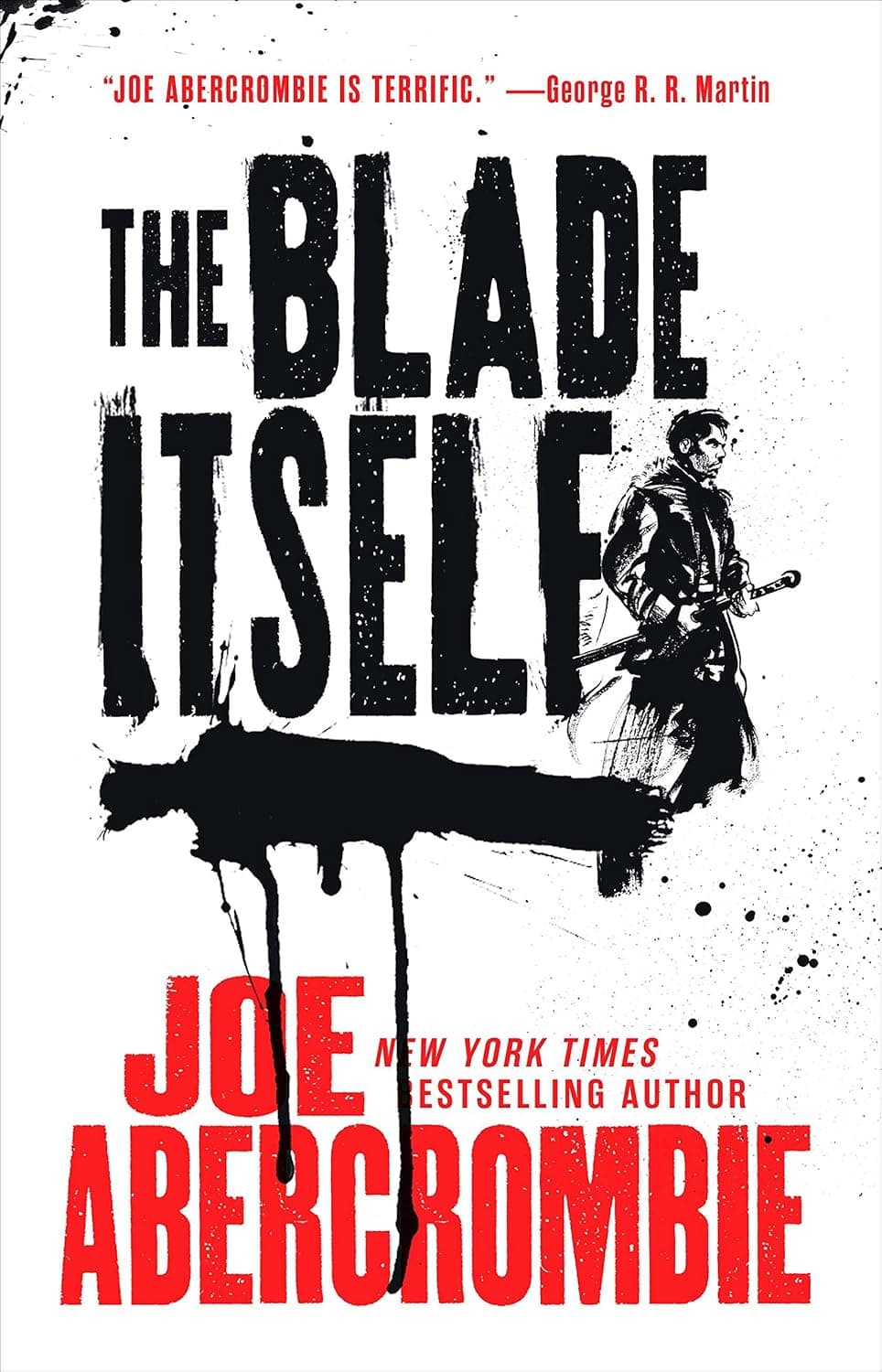
Three lives ignite the First Law saga: Logen Ninefingers fights to endure the frozen North, Sand dan Glokta navigates a ruthless Inquisition, and Jezal dan Luthar chases glory in the gilded heart of the Union. Survival, power, and ambition pull them toward a collision that reshapes their world.
What Happens
Chapter 1: The Survivors
Logen regains consciousness on a riverbank after a Shanka ambush and a fall from a cliff. Cold and alone, he decides to risk the ravaged campsite to salvage gear—an act that embodies Survival and Pragmatism, the creed that keeps him alive. He repeats the refrain that defines him: say one thing for Logen Ninefingers, say he’s a survivor.
Among three dead Flatheads and no sign of his companions, he gathers boots, coat, rope, flask—and, most precious, his battered cooking pot, a relic of shared fires and lost camaraderie. The full weight of loss lands: Threetrees, the Dogman, the rest—almost certainly gone. Yielding to the hard calculus of living, and burdened by The Burden of the Past and Memory, he turns south into the mountains, alone.
Chapter 2: Questions
The view shifts to the broken elegance of Inquisitor Glokta: each stair a battlefield—click, tap, pain—as he descends to interrogate Salem Rews, a rich Mercer accused of tax evasion. Rews begs recognition from the man he once knew before Gurkish torture remade him. Glokta responds with cold craftsmanship, a study in Power and Corruption: the state’s fear machine in motion.
Twice, power interrupts power. First, Superior Kalyne blusters about Glokta arresting a formidable Mercer; a box of Rews’ gold stills the fury. Then the formidable Arch Lector Sult summons Glokta, dismisses Kalyne as a fool, and tasks him with a quiet, perilous job: extract a treason confession implicating Sepp dan Teufel, Master of the Royal Mints. Glokta returns and forces Rews to “remember” Teufel’s name, manufacturing the link Sult requires. The chapter pins Glokta between Cynicism and Moral Ambiguity and The Disparity Between Appearance and Reality: once a golden hero, now a ruthless cripple whose clarity cuts sharper than any blade.
Chapter 3: No Choice at All
High in the mountains, hunger and cold gnaw at Logen. He remembers his dead family and old companions and imagines a blaze of revenge as the Bloody-Nine—but recognizes the fantasy for what it is. “You have to be realistic,” he tells himself, choosing life over theatrics.
After killing a deer, he performs a ritual and speaks to fading forest spirits. They offer a direction: a Magus of the Old Time seeks him to the south—Bayaz. They also whisper that Bethod, the self-proclaimed King of the North, still drives the wars Logen helped unleash. For the first time since the riverbank, Logen has more than survival—he has a destination. He turns his back on the North and walks toward uncertain purpose.
Chapter 4: Playing with Knives
The third thread begins with the charm and cruelty of Captain Jezal dan Luthar. At cards he wins big and humiliates a poorer officer, preening among friends—Major Collem West, Lieutenant Kaspa, and the thuggish Jalenhorm. Late for practice, he draws the contempt of Lord Marshal Varuz, who drills him for the upcoming Contest—Jezal’s bid for status and Ambition and the Pursuit of Power.
Varuz orders clean living and daily sparring with West. Jezal drinks instead. Stumbling from a tavern, he and his friends encounter two black-clad men—Frost and Severard—abducting a well-dressed stranger. West and Jalenhorm move to intervene; tension spikes until Glokta arrives, announces Inquisition business, and shares a brittle reunion with West from their war days. Jezal laughs it off, but a new, uglier world has brushed his sleeve.
Chapter 5: Teeth and Fingers
Glokta faces his new prize: Sepp dan Teufel, arrogant and certain of his connections. Glokta displays the wreckage of his mouth—souvenirs of Gurkish hospitality—and calmly explains that threats mean nothing to a man who already lost everything. With Sult expecting results, Glokta dispenses with finesse and demonstrates The Nature of Violence as policy.
His Practicals pin Teufel. The cleaver rises and falls—bang—tidy, methodical brutality as fingertips vanish one by one. The bureaucracy of pain does its work; Teufel breaks, screaming his confession before the Arch Lector arrives. Glokta wins, and the machine grinds on.
Character Development
The opening arc for each protagonist establishes a clear trajectory: survival becoming purpose, cynicism becoming leverage, and arrogance set to collide with reality.
-
Logen Ninefingers
- Clarifies himself as a survivor first, soldier second; grief is contained, not cured.
- Rejects suicidal vengeance and adopts a practical quest: find the Magus who seeks him.
- Keeps a powerful relic of belonging—the pot—signaling that memory still anchors him.
-
Sand dan Glokta
- Turns personal agony into professional armor; pain inoculates him against intimidation.
- Graduates from routine interrogator to political instrument under Sult’s patronage.
- Practices moral accounting without absolution: he manufactures truth to serve the state.
-
Jezal dan Luthar
- Begins as entitled and unserious, motivated by prestige rather than duty.
- Meets hard limits: Varuz’s discipline and West’s steady competence.
- Brushes the Inquisition and senses that games of honor coexist with darker rules.
Themes & Symbols
Survival rules the North while power rules Adua. Logen’s choices embody a hard realism that prizes living over legend; his restraint—refusing a glorious death—exposes survival as a moral position, not just a reflex. In the capital, Glokta demonstrates that power prefers procedure to truth; corruption is not a stain but a system, and his cynicism reads the rules well enough to weaponize them. Across the board, dazzling surfaces fracture: the hero is a torturer, the swordsman is hollow, the barbarian is thoughtful—a sustained meditation on the gap between seeming and being.
Violence shifts by context. In the wild, it is intimate and necessary; in the Inquisition, it is administrative, efficient, and depersonalized. That contrast matters: it reveals a world where institutions launder brutality, and where personal codes—Logen’s pragmatism, West’s professionalism—are tested against machinery larger than any one person.
Symbols
- Logen’s Pot: humble, dented continuity—community remembered and carried forward.
- Glokta’s Stairs: his daily war; every step makes visible the cost of survival.
- The Cleaver: violence as office equipment—clean edges, dirty purpose.
Key Quotes
“Say one thing for Logen Ninefingers, say he’s a survivor.” This refrain fixes Logen’s identity and ethic. It resists mythmaking: survival, not glory, defines worth—and justifies choices that look cold from the outside.
“Click, tap, pain.” Three beats compress Glokta’s existence into rhythm. The soundscape of his body shapes his worldview: patience, calculation, and an intimacy with suffering that he turns outward.
“Why do I do this?” Glokta’s self-interrogation punctures any easy villainy. He knows the moral cost, asks the question anyway, and keeps going—a portrait of conscious complicity.
“Body found floating by the docks…” The gallows humor of Adua’s rumor cycle threads through Glokta’s chapters. It normalizes cruelty, reminding us that in this city, horror is paperwork and headlines.
Why This Matters and Section Significance
These chapters anchor the trilogy’s tone and stakes: gritty interiority over grand prophecy, institutions over heroes, choice over fate. Each protagonist stands at a threshold—Logen from survival to purpose, Glokta from functionary to power broker, Jezal from comfort to reckoning—and the narrative sets them on intersecting paths.
Classic fantasy expectations tilt. The barbarian thinks deeply, the inquisitor bleeds privately, the dashing officer rings hollow. Early crossings—Glokta with West, Jezal’s glimpse of the Practicals, Logen’s summons from a Magus—foreshadow convergence. As the Contest, the Inquisition’s plots, and the Magus’s designs advance, these foundations ensure every duel, confession, and choice lands with moral weight.