Opening
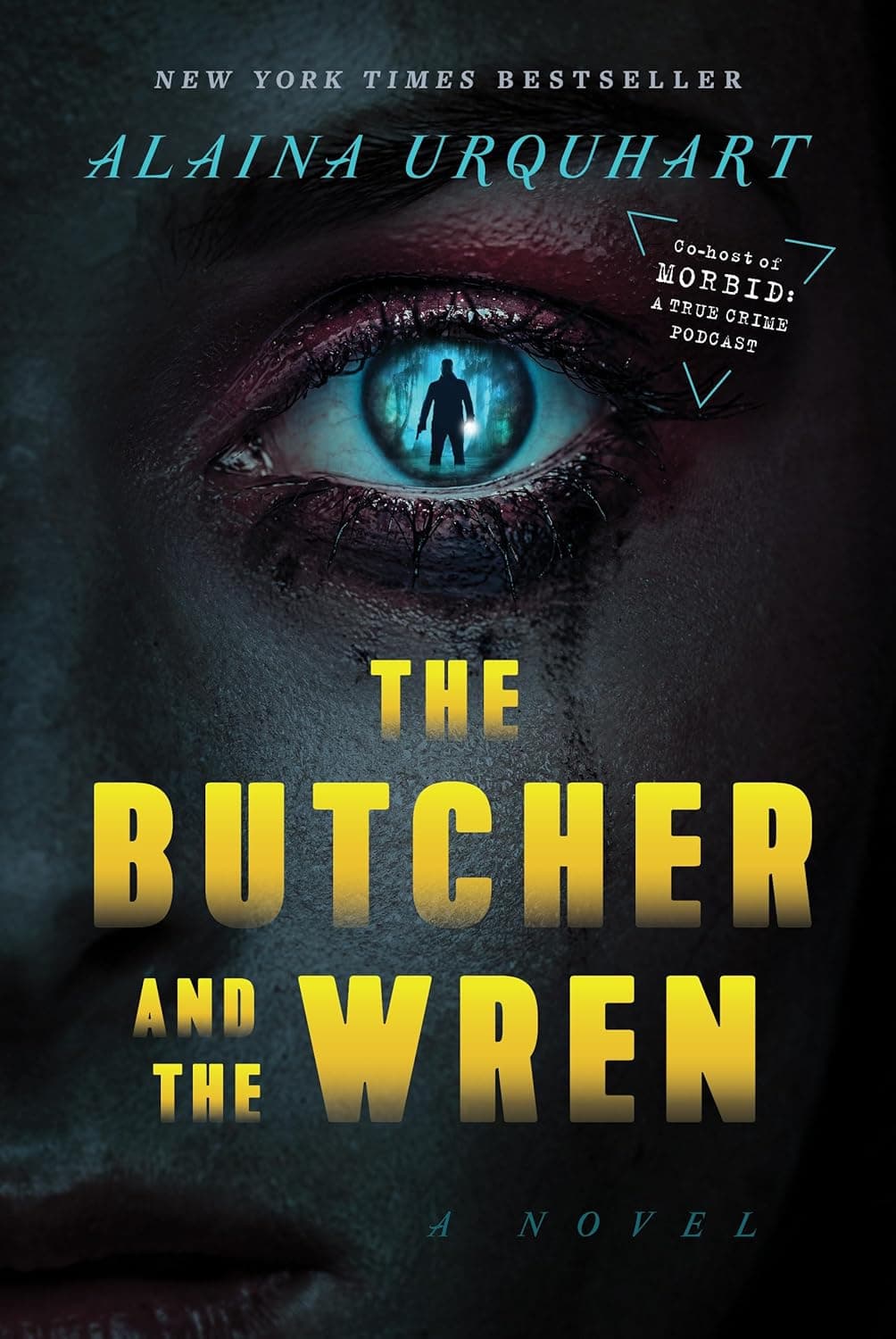
In the sweltering hush of the Louisiana bayou, a killer perfects his ritual while a forensic pathologist reads truth from the dead. Jeremy Rose hides in plain sight, meticulous and monstrous; Dr. Wren Muller tracks him by signs the body cannot help but tell. The first five chapters launch a cat-and-mouse duel where routine, science, and savagery collide.
What Happens
Chapter 1: The Routine
Jeremy obsesses over his evening regimen—shower, shave, silence—until screams from his basement fracture the ritual. He hungers for specific sounds: bayou stillness, curated music, never human chaos. He studies his reflection, admiring bone structure and likening himself to a corpse flower—seductive bloom, rotten core—before drifting into reveries on the primal human psyche most people pretend not to have. His harmless surface, he believes, is his camouflage.
He plots the weekend ahead: medical school, Tulane’s labs, and his “challenge,” a brilliant partner named Emily. Downstairs, his current “houseguests,” Katie and Matt, whimper and rage in bolted chairs he designed. Irritated, he descends, taunts Katie to be “quiet like Matt,” and, when she can’t stop sobbing, cranks up music and rips off her thumbnail with pliers—promising teeth are next if she makes another sound. Childhood memories surface: an explosive father, a mother veering between absence and suffocation, stolen library books during her affair, and a fixation on lobotomist Dr. Walter Freeman. His father’s maxim lodges inside him as an ethos for violence masquerading as inquiry: learn by opening things up.
Chapter 2: The Bayou Find
Wren steps into the heat and rank sweetness of the bayou at a riverside crime scene. A young woman lies with head and shoulders submerged, wearing a bra and denim shorts, a jagged abdominal wound yawning across her belly. The scene echoes a case two weeks earlier—pages of a paperback jammed down the victim’s throat—and Wren registers patterned cruelty. She notes pink facial lividity, bruises from non-fatal strangulation, and a faded tattoo of praying hands that may help ID the body.
Wren turns the scene into a classroom for her deputy coroners: lividity, rigor, blowflies, ambient heat. Their estimates bracket a time of death between roughly 12 and 30 hours, bold timing for a killer who may operate in daylight. As the team wraps, an officer lifts a neatly folded yellow T-shirt and flip-flops near the treeline; a dog-eared paperback—The Ghouls—slips out, linking this murder to the earlier case. Wren helps load the stretcher and, when a cop teases her for talking to the dead, she replies that the dead have told her many secrets.
Chapter 3: A Normal Day
Jeremy pours coffee and watches news about escaped convicts, then checks the basement. Katie sits silent and small; Matt strains and spits, roaring threats the cemented chairs and restraints turn to air. Jeremy responds not with steel but with dominance, pinning Matt and delivering a brutal kiss, biting until blood blooms. It isn’t sex; it’s hierarchy, the assurance that every breath belongs to him.
He heads to data entry at Lovett Logistics, a fluorescent nightmare he loathes. Forgetting his badge because of the previous night’s disruptions, he’s forced to engage the front-desk receptionist. He constructs charm like a mask, gets buzzed through, then mutters insults as soon as the door clicks shut. The switch flips effortlessly—chirpy colleague outside, predator within.
Chapter 4: The Pink Stain
In the morgue’s cold, bright order, Wren confirms the broad contours of the murder. The cause of death is the jagged abdominal wound inflicted while the victim is still alive; non-fatal strangulation comes first. Rigor and liver temperature refine the time of death to about 36 hours prior. Yet a troubling detail persists: the unusually bright pink lividity.
The staining also shows the body is moved—she dies on her right side but is staged on her back. As Detective John Leroux pushes for answers, Wren’s observations align: slowed decomposition plus cherry-pink lividity converge on a single conclusion. The killer chills his victims after death. She looks up from the table and says it aloud: he refrigerated her.
Chapter 5: The Bayou Butcher
Back at his cubicle, Jeremy scrolls through articles about missing locals, smirking at candlelight vigils. His coworker Corey chats about the so-called “Bayou Butcher,” describing a pattern: a new abduction follows quickly after a body dump. In Jeremy’s head, the mask drops—yes, he’s the Butcher; yes, six dead.
He thinks of Meghan, killed a day after he seized Katie and Matt. Her “mama’s boy” jab almost broke his vaunted self-control, and he punished her with a stomach wound before dumping the body. He catalogs his M.O.—bars, swamp water, bodies left where they’ll be found—and recognizes the trap of predictability. It’s time, he decides, to “serve up a new dish.” When Corey invites him to open mic night, Jeremy smiles and accepts, the office clown no one suspects.
Character Development
Across these chapters, masks solidify and hairline cracks appear. Jeremy refines a persona that keeps him invisible while nurturing a private creed of domination and “research.” Wren builds a case piece by piece, translating silence into evidence and pattern into pursuit.
- Jeremy: Publicly, he’s courteous, ambitious, and even gentle; privately, he orchestrates terror to enforce absolute hierarchy. His contempt for “generic” people and his fascination with technique elevate cruelty into vocation, an expression of Intellectual Pride and The God Complex. Early abuse and emotional neglect don’t excuse his choices, but they show the soil where his methods take root.
- Wren: Calm, methodical, and quietly empathetic, she mentors younger staff while insisting on rigor. Her leap from pink lividity to refrigeration proves she blends experience with intuition, narrowing the field by reading what the body preserves.
- Katie: Introduced as defiant enough to scream, she’s forced into silence through targeted, escalating torture, showing how Jeremy breaks resistance.
- John Leroux: Practical and impatient for leads, he relies on Wren’s findings to convert horror into actionable paths.
Themes & Symbols
The hunt: predator versus prey sharpens on both sides. The Hunt: Predator vs. Prey structures every scene—Jeremy stalks, confines, and calibrates suffering; Wren tracks him by patterns he can’t help but leave behind. From the first body to the refrigeration reveal, the narrative becomes a pursuit measured in inference, not footsteps.
Masks and truth drive the conflict. Identity and Deception informs Jeremy’s “corpse flower” self-concept and social camouflage, while Science vs. Instinct animates Wren’s process—observation and testing guided by seasoned gut. Jeremy’s upbringing anchors Past Trauma and Its Lingering Effects, which he weaponizes into technique rather than healing, and Wren’s morgue discipline counters his bid for terror with order. Meanwhile, Control and Powerlessness plays out in the basement—cemented chairs, mutilation as silencer—and in the field, where Wren slowly seizes control by decoding the killer’s choices.
Symbols deepen tone: Books shift from refuge to calling card, turning knowledge into a taunt left with the dead; the bayou, humid and teeming, mirrors the killer’s primal appetites and the way the land itself can hide or reveal what it’s asked to keep.
Key Quotes
“You want to learn about something, son? You have to open it up.”
Jeremy’s father seeds a credo that mutates into surgical sadism. The line collapses boundaries between curiosity and cruelty, granting Jeremy a moral permission slip to conflate “study” with harm.
“He refrigerated her.”
Wren’s deduction translates disparate clues—pink lividity, slowed decay—into a chilling operational detail. It marks a turning point in the investigation, showing the killer’s planning and the level of control he exerts even after death.
“You’d be surprised how many secrets the dead have told me.”
Wren’s reply at the scene articulates her philosophy: the dead still speak through evidence. It frames her role as interpreter, a counterweight to the killer’s attempt to script the narrative.
“Ready to serve up a new dish.”
Jeremy’s culinary metaphor signals escalation. He’s bored with predictability and primed to alter his methods, raising stakes for victims and investigators alike.
Why This Matters and Section Significance
These chapters lock in the novel’s engine: a dual perspective that replaces “whodunit” with “how to stop him.” By putting readers inside Jeremy’s logic while tracking Wren’s method, the story builds razor-edged dramatic irony—every new clue closes a gap the reader already knows, amplifying tension rather than deflating it. The refrigeration reveal, the paperback calling card, and the bayou staging establish a signature that Wren can pursue even as Jeremy prepares to evolve.
Grounded in New Orleans heat and water, the setting saturates the narrative with menace and concealment. As Jeremy vows to change his pattern and Wren proves she can read his, the cat-and-mouse game shifts from routine to brinkmanship—two intellects racing to define the rules before more bodies surface.