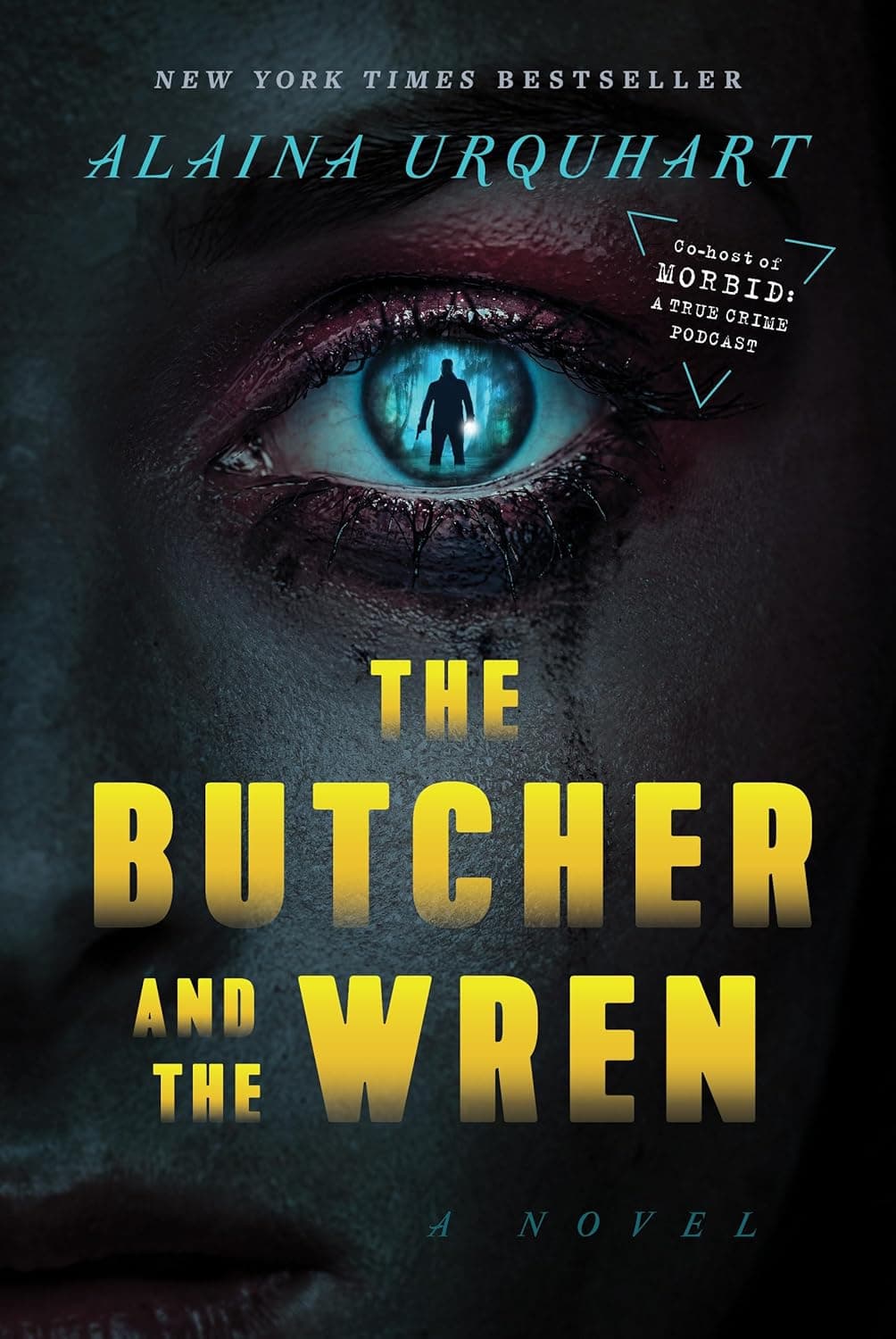
Opening
These chapters shift the story from a procedural puzzle to a razor-edged duel. We see both sides of the hunt: medical examiner Dr. Wren Muller assembling truth from the dead, and Jeremy Rose crafting pain as performance. The killer’s taunts sharpen into a personal threat, transforming the case into a predatory game of The Hunt: Predator vs. Prey.
What Happens
Chapter 6: The Game Begins
In the morgue, Wren studies a new Jane Doe and bristles at the killer’s latest trick: the body was refrigerated before disposal to scramble the time-of-death window. Detective John Leroux arrives with a grim confirmation—this is a serial case. The murderer stages elaborate, theatrical clues: a page from chapter seven shoved into the first victim’s throat, a second body found in Seven Sisters Swamp beside the book with its seventh chapter torn out. The pattern is bait.
Wren reads the psychology beneath the spectacle, comparing the killer’s theatrics to BTK—less confidence than a needy hunger for attention. The urge for Control and Powerlessness pulses through the case. Leroux’s latest clue is a photocopy: a fleur-de-lis pattern and a library card for “Philip Trudeau.” The real Trudeau has a Massachusetts alibi, so Leroux dismisses the lead. Wren can’t let it go. Her instincts insist the name matters, pitting intuition against the investigation’s hard evidence.
Chapter 7: A Formative Memory
Leaving his bland office job, Jeremy dissects pain in clinical, almost academic terms, a chilling mirror of Wren’s scientific rigor and Intellectual Pride and The God Complex. His calm is not absence of feeling but mastery of it, focused entirely on the mechanics of suffering.
A flashback recasts his origin. At seven, he watches his father haul home a doe struck by a truck, the animal shrieking. His father explains a “pecking order” and shows him how to “dispatch” the doe—merciful, he claims. For Jeremy, the moment is not trauma but revelation, the seed of Past Trauma and Its Lingering Effects taking root as empowerment. Back in the present, he descends to his basement “guests,” confirming he doesn’t just kill—he keeps and curates.
Chapter 8: A Nagging Feeling
Late, drained, and heading to her car, Wren overhears Leroux on speaker: the lab pulls nothing usable from the recovered book. He compares their ghostlike quarry to Israel Keyes; the slick efficiency stings especially when he says even “Muller is stumped.” The killer’s invisibility underscores the story’s fixation on Identity and Deception.
Driving home, Wren turns “Philip Trudeau” over and over. The police call it a dead end; her gut says otherwise, pressing the novel’s tension between Science vs. Instinct. At home, her husband Richard coaxes her back to ordinary life. She waters a wilting basil plant—quiet caretaking in the shadow of relentless death—yet the case refuses to release its hold.
Chapter 9: The Magnum Opus
Crawling through traffic, Jeremy hears a radio update about the body he dumped and sneers at the forensic confidence of authorities and medical examiners. In his view, they study death; he authors it. Their profile? Outdated. Their methods? Predictable.
He begins plotting his “magnum opus,” a deliberate break from his pattern designed to wrong-foot investigators he deems slow and unimaginative. The escalation is both strategy and indulgence, an articulation of his narcissism. The chapter closes on a silent dare: Catch me if you can.
Chapter 10: A Personal Threat
Wren tumbles through a nightmare: first pure darkness, then a white room with her parents, who cannot see or hear her. A faceless man closes in, telling her she’s dying, that her legs are numb, and finally screaming, “Run!” She wakes drenched in fear—the predator from her morgue has invaded her mind.
Later, at the alley where the last body was found, she and Leroux parse the killer’s victimology. Leroux calls them “hotel-art humans”: ordinary enough to dampen public panic. As they turn to go, he spots something pristine in a curb crack—one of Wren’s old business cards, placed after the scene was cleared. The message is unmistakable. The killer has chosen his next opponent, forcing Wren into a fight for Survival and Resilience.
Character Development
A widening gulf opens between public roles and private vulnerabilities. The chapters deepen our access to both hunter and hunted, aligning us with their pride, fear, and mounting obsession.
- Dr. Wren Muller
- Doubles down on intuition when “Philip Trudeau” won’t leave her mind
- Shifts from professional detachment to personal jeopardy after the planted card
- Grapples with being outmaneuvered, then recommits to the chase
- Jeremy Rose
- Reveals a cosmology of pain rooted in a childhood “mercy” killing
- Abandons routine to stage a “magnum opus,” elevating his crimes into performance
- Treats investigators as audience and adversaries, confirming his God-complex
- Detective John Leroux
- Balances respect for Wren’s expertise with procedural caution
- Names the victims’ “ordinary” profile, refining the case’s victimology
- Moves toward protector mode once Wren becomes a target
Themes & Symbols
Predation structures everything: killer as performer-hunter, investigators as trackers, Wren as newly marked prey. The case morphs as the killer personalizes his taunts, sharpening the contest from system versus anomaly into person versus person. Pride drives both sides—scientific certainty for Wren, omnipotent authorship for Jeremy—until instinct and ego collide, refracting the novel’s inquiry into The Nature of Evil. Jeremy’s childhood “lesson” reframes cruelty as order, while Wren’s nightmare translates professional dread into intimate terror.
Symbols clarify the stakes. The refrigerated body, torn chapter sevens, and fleur-de-lis compose a puzzle-box of control. The basil plant restores a pulse of life against the morgue’s stillness. Most pointedly, the business card destroys the barrier between Wren’s work and her private world, proof that the predator sees her and expects her to see him back.
- The dying doe: birth of Jeremy’s fascination with suffering and the logic of dominance
- The chapter-seven motif: the killer’s authorship of narrative, not just death
- Wren’s nightmare: paralysis and isolation made literal; the hunt turns inward
- Wren’s business card: a calling card and a claim—You’re in my story now
Key Quotes
“Hotel-art humans.” Leroux’s phrase distills the victims’ anonymity—ordinary people whose disappearances don’t provoke immediate alarm. It indicts social blind spots that the killer exploits and guides the investigators toward a more accurate victimology.
“Catch me if you can.” Jeremy’s unspoken taunt frames the story as a contest of wits. It spotlights his narcissism and signals a planned break from pattern, raising the danger for future victims and for Wren.
“Run!” The faceless man’s command in Wren’s nightmare collapses her roles—examiner, hunter, potential prey. The single word concentrates her fear of powerlessness and foreshadows the killer’s direct contact.
“Vital in his development.” Jeremy’s reflection on the childhood doe exposes how he rebrands cruelty as education. The language of growth cloaks the emergence of a worldview that equates power with mercy and death with mastery.
Why This Matters and Section Significance
By revealing the killer’s identity and inner logic while keeping the investigators in the dark, the narrative pivots from whodunit to psychological duel. Dramatic irony fuels tension: we watch Wren interpret breadcrumbs that Jeremy deliberately scrambles, even as he rewrites his pattern to stay ahead. The planted business card makes the conflict intimate, binding the “Butcher” and the “Wren” into a personal game where intellect, instinct, and resolve decide survival. The stakes now extend beyond solving murders to defending identity, agency, and the fragile boundary between the job and the self.