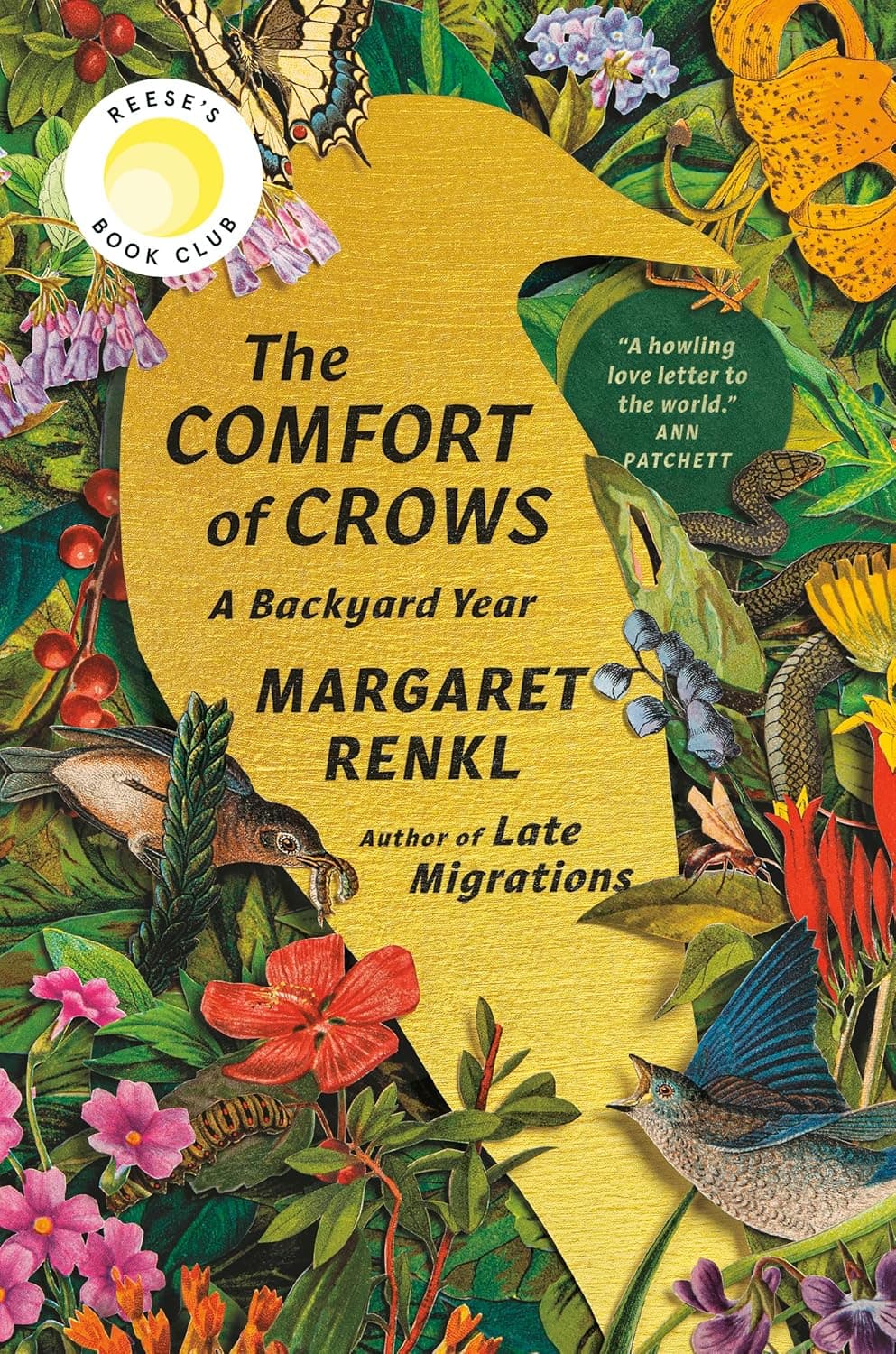
Opening
Across five spring weeks, Margaret Renkl witnesses wildness stride through suburbia, grief cleave into daily life, and hope return on tattered wings. These chapters move from awe to devastation to renewal, tracing what it means to love the living world when every gesture risks harm—and when letting go becomes its own act of care.
What Happens
Chapter 31: The Bobcat Next Door
In the ninth week of spring, Margaret Renkl looks up from a pileated woodpecker and sees a bobcat pad into view—full-grown, broad daylight, shockingly calm. She catalogs its “stunted tail,” “spotted legs,” and “fangs” in the instant before the woodpecker bolts and the bobcat crosses the street in front of her car.
She maps its invisible route: dry creek beds and culverts link yards to a wooded remnant, a corridor stitched through Nashville by habit and chance. A wildlife expert assures her the cat’s daylight stroll signals adaptation, not distress; healthy bobcats can thrive in the suburbs if left alone. Renkl never spots it again, but her husband, Haywood, and neighbors do, proof that the hidden wild endures beside the mailbox and driveway. The encounter foregrounds The Human-Nature Connection that threads the book.
Chapter 32: And Then There Were None
The tenth week begins with a weary rose-breasted grosbeak, a migrant from Central or South America, and with Renkl’s realization that watching nature always happens in medias res—midstream in stories whose beginnings and endings we’ll never know. That uncertainty shadows a nest of The Bluebirds in her yard: six eggs become two nestlings, then one, and no explanation arrives with the losses.
Then the crisis. Renkl finds the last chick on the ground, not ready to fledge. A feral cat stalks a parent bird frantically luring it away. Breaking her rule of noninterference, she replaces the chick in the box—only to have it launch as she closes the door. The lid crushes it. She holds the small body in her hands, stunned by the gap between her love and the life-ending result. The chapter stands as a stark confession and a wrenching turn in the arc of Cycles of Life, Death, and Renewal.
Chapter 33: Dust to Dust
In the eleventh week, while the garden rises, Renkl’s thoughts turn to death. The first anniversary of her father-in-law’s rapid decline approaches, reopening grief that also reaches back to her mother’s sudden death one June. She considers Aging, Family, and the Passage of Time, realizing her father-in-law anchored her life almost as long as her own father did. Ordinary moments—passing the ice cream aisle—ambush her with loss.
Cemeteries surface as places of comfort and truth. As a child, she plays in rural graveyards; now she visits a Georgia barrier-island plot where Haywood’s family, including his Parents and Grandparents, are buried. Development hems it in, but live oaks keep a sanctuary of shade. Rabbits, squirrels, groundhogs, and birds thrive there. She finishes with a revelation: these grounds belong “not to the bones lying underground but to everything that death feeds.”
Chapter 34: Praise Song for Solomon’s Seal
A brief hymn to Solomon’s seal unfurls. Purple-tinged stalks pierce the soil; furled leaves open “like a lonely person finally loved.” Beneath the glossy canopy, pale bells hide. Renkl urges, “Bend down. Lean closer,” to hear sweat bees whisper among flowers. She ends with the Song of Solomon—“for love is strong as death”—and points to the plant’s profusion as evidence. The ode offers quiet renewal after sorrow.
Chapter 35: An Acolyte of Benign Neglect
By the twelfth week, Renkl traces her gardener’s education. In 1986, she imagines organic balance: cabbage whites dancing over broccoli. They turn into voracious caterpillars. After failures at control, she adopts a new rule—plant enough for everyone. Over decades, she trades vegetables for a pollinator garden aimed at bees and butterflies, especially monarchs.
Years of milkweed yield no monarchs. She shifts again—to “benign neglect”: water, weed, and mostly step back. One afternoon, a tattered female monarch arrives, lays eggs along milkweed ribs, and vanishes. Five days later: specks of life nibble leaves. The moment reads as hope against Grief, Hope, and Environmental Change, and as vindication for making habitat, then letting the world return in its own time.
Character Development
Renkl’s voice steadies and breaks, then rebuilds, as she navigates wonder, guilt, and acceptance.
- Observer vs. intervener: The bobcat confirms her vocation as watcher; the bluebird’s death forces her into participation with catastrophic effect. Her plainspoken admission—“I killed him”—reshapes her sense of responsibility.
- Grieving daughter-in-law: Private losses color every seasonal flourish, revealing how sorrow reframes the gaze that looks at spring.
- Evolving gardener: From control to “enough for everyone” to benign neglect, her practice shifts toward humility. The monarch’s arrival offers a tentative path out of the bluebird’s shadow.
Themes & Symbols
These chapters braid intimacy with distance, insisting that love for the living world includes painful limits. The bobcat prowls through suburbia’s seams, a reminder that the wild neither requests nor requires permission. The bluebird’s death exposes how help can harm, even when compassion burns hot. Graveyards shelter teeming life; Solomon’s seal whispers persistence; a tattered monarch writes a small resurrection on milkweed leaves.
Together, they trace seasonal and emotional cycles: life cresting beside death; grief cohabiting with bloom; renewal arriving late and slight but real. The symbols align clearly—bobcat as ungoverned wildness, bluebird chick as fragility and the cost of intervention, Solomon’s seal as tender resilience, monarch as patient hope born of habitat and restraint.
Key Quotes
“I killed him. I was trying to save his life, though that is no excuse.”
- The confession collapses distance between narrator and event. Renkl refuses euphemism, forcing moral clarity: intention does not erase outcome. The line becomes a hinge for her evolving ethic of restraint.
“For love is strong as death.”
- Quoted in the praise song for Solomon’s seal, this ancient claim refracts through spring’s profusion. Love cannot undo loss, but it can answer it—by attending, planting, and making space for more life.
These places belong “not to the bones lying underground but to everything that death feeds.”
- Renkl reframes cemeteries as ecological refuges. Grief turns outward, recognizing death as a feeder of life and the living world as a keeper of memory.
“Stunted tail,” “spotted legs,” “fangs.”
- The bobcat’s cataloged features convey shock and reverence. Naming becomes seeing; seeing restores the suburbs as habitat instead of mere human space.
Why This Matters and Section Significance
This sequence marks a turning point from passive, reverent observation to a recognition of human complicity. The bluebird’s death deepens the book’s stakes and recasts Renkl’s role: love for nature requires humility, patience, and sometimes refusal. The chapters also link private mourning to ecological attention; personal loss sharpens her eye for the world’s cycles.
The arc—wild awe (bobcat), tragic intervention (bluebird), elegy and acceptance (graveyard, Solomon’s seal), and earned hope (monarch)—clarifies the work of living alongside the more-than-human world. Create habitat. Pay attention. Step back. Let renewal arrive on its own terms.