What This Theme Explores
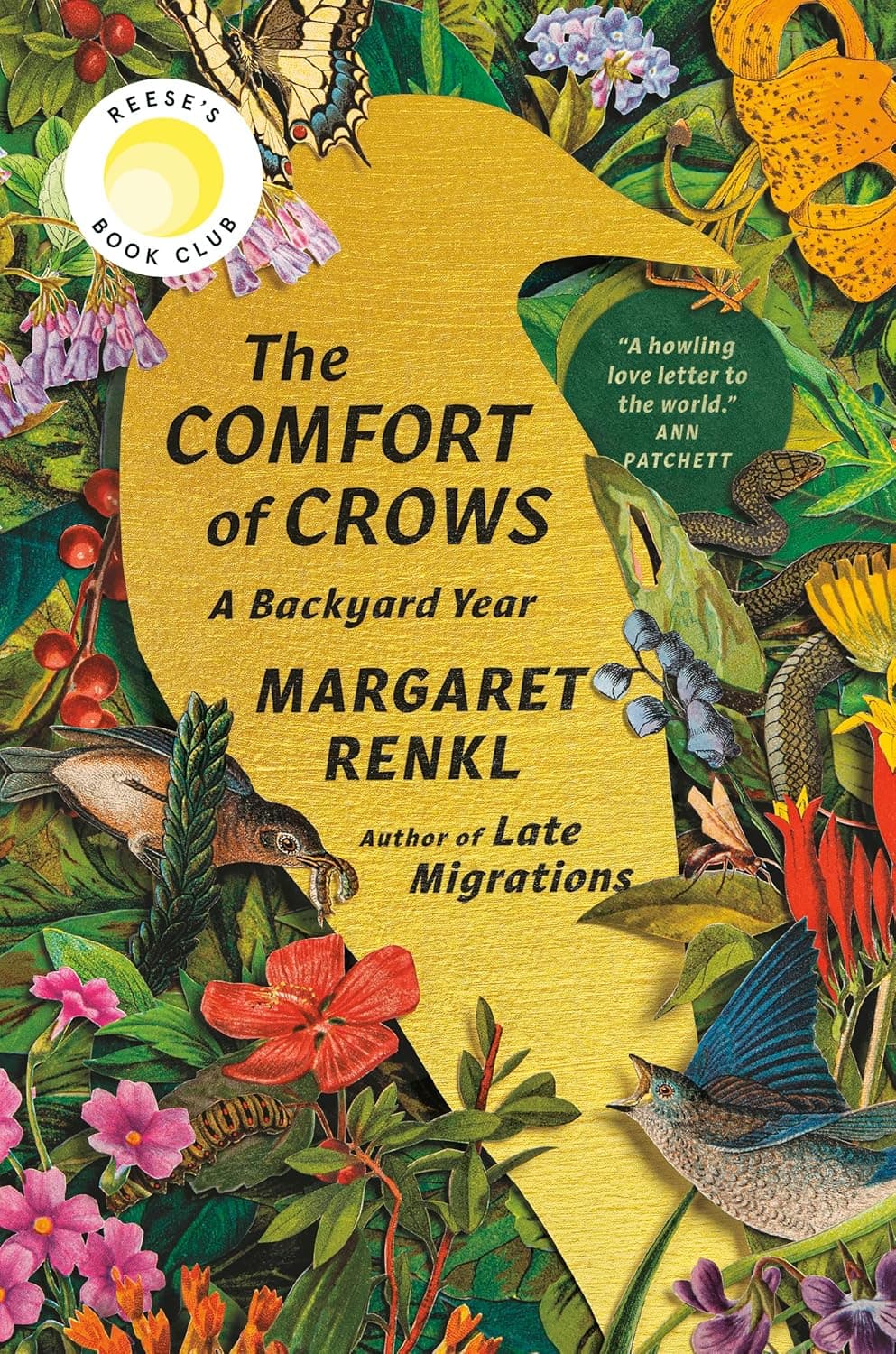
Cycles of Life, Death, and Renewal examines how endings feed beginnings and how every apparent stillness hides a quiet, relentless becoming. Renkl’s backyard unfolds as a living clock: birth, growth, predation, decay, and rebirth recur so reliably that death emerges not as a wall but as a doorway. The book presses readers to accept the whole arc—grief and beauty, brutality and tenderness—as inseparable parts of one system. In tying the seasons to human aging, family change, and mourning, Renkl proposes that personal meaning arises not by resisting impermanence but by recognizing ourselves inside nature’s regenerative rhythm.
How It Develops
Winter sets the story’s ground note: a landscape that looks spent yet teems with latent motion. In “the season of sleeping,” the “skeleton of the snakeroot” and the “cold roots of the sleeping trees” hold their power in reserve, and the sick fox or redbird in the snow does not negate the future so much as make the promise of it visible (Chapter 1-5 Summary). Even the praise song for budburst arises from bareness—consolation born from seeing how dormancy is structured to become life.
Spring cracks the shell. Tadpoles bud legs and shed tails, ephemeral wildflowers flare and vanish, and the yard fizzes with courtship and nest-building (Chapter 11-15 Summary). The arrival of The Bluebirds embodies the season’s double truth: eggs appear, then disappear; a chick hatches, then dies. Renewal comes with risk; creation and loss arrive yoked.
Summer is abundance and its cost. Fledglings, insects, and flowers make the yard “teem,” while snakes, crows, and vultures enact the system’s necessary predation. Renkl’s attention to “unloved animals” reframes what looks cruel as maintenance, turning “death into something beautiful: blood and feathers and hollow bones” (Chapter 26-30 Summary). Growth requires consumption; every feast implies a sacrifice.
Fall draws down while preparing the next ascent. Leaves loosen, birds depart, and the work of storing and mending begins, a seasonal counterpart to Margaret Renkl’s own household transitions as children move outward. The discovery of a “Lazarus Snail” revives the oldest promise of the book: apparent endings often harbor breath, moisture, and motion waiting to resume (Chapter 61-65 Summary). The year doesn’t stop; it circles.
Key Examples
-
The Knothole Garden: Renkl finds chickweed seedlings rooting in the rot of an oak’s knothole, a micro-ecosystem that transforms decay into shelter and warmth. It compresses the book’s argument into one living emblem: a cradle made by breakdown becomes the incubator of new growth.
Far above the ground, a hole made by decay in a living tree had become a cold frame, a natural greenhouse that let in light and kept out frost. Life in death in life.
-
The Bluebird Nests: Across clutches, the bluebirds lose eggs and chicks, then try again; fledglings from the first brood even help feed the second. The tender efficiency of this relay turns private heartbreak into communal continuation, and “And Then There Were None” insists that brutality is not a glitch but a gear in the mechanism (Chapter 36-40 Summary).
-
Fungi and Decay: Fungal threads soften dead wood until insects can burrow, birds can carve cavities, and the “womb of the world” becomes literal habitat. Death, here, is a labor that builds rooms for the living; rot is architecture for what comes next (Chapter 41-45 Summary).
-
Human Cycles: The “reverse nesting” of her Sons leaving parallels fledging; the deaths of Parents and Grandparents are viewed through the seasons’ lens, especially in “Dust to Dust” (Chapter 46-50 Summary). These parallels do more than console: they cast grief as a form of stewardship, a way of tending what outlives us.
Character Connections
Renkl, as observer and participant, translates natural cycles into a grammar for human change. Her note-taking on a fallen redbird or a reviving snail becomes metaphysical practice: paying attention disciplines fear, and naming patterns makes mystery companionable rather than alien.
The Crows complicate the moral field by embodying both threat and kinship. They raid nests, yet they also model loyalty and memory, staying in family groups across seasons. Renkl’s comfort in their presence signals the book’s ethical pivot: even the agents of loss sustain continuity.
The bluebirds concentrate the drama of persistence. Their repeated attempts, parental labor, and partial successes make resilience feel biological rather than inspirational; trying again is not heroism but instinct. In their small saga, the book renders the cycle intimate and measurable: a box, a clutch, a second brood.
Symbolic Elements
The Seasons: The four-part structure makes time itself the central symbol, each quarter not a wall but a hinge. Winter’s stillness stores spring; summer’s glut demands fall’s sorting—formally enacting the theme in the book’s architecture.
The Untidy Garden: A “messy yard” rejects cosmetic control in favor of ecological truth. Dead stalks and leaf litter become larders and nurseries, insisting that care often looks like letting things lie so something else can live.
Graveyards: “Dust to Dust” recasts cemeteries as parks where rabbits, squirrels, and mockingbirds flourish among stones. Human endings fold back into a larger metabolism, making mourning grounds into wildlife corridors as well as memory sites.
The Lazarus Snail: A desiccated shell that drinks moisture and moves again suggests that dormancy can be mistaken for death. The image reorients hope from miracle to mechanism: given the right conditions, life resumes.
Contemporary Relevance
In a culture anxious about aging, loss, and ecological collapse, this theme swaps denial for participation. By attending to ordinary cycles in a suburban yard, Renkl models a practice of noticing that converts dread into intimacy and action—composting, leaving brush piles, tolerating predators, accepting change at home. The book reframes mortality not as failure but as contribution: what we relinquish becomes the medium of another life. Even in damaged habitats, the stubborn recurrence of budburst and fledging offers a scale of hope we can touch.
Essential Quote
Far above the ground, a hole made by decay in a living tree had become a cold frame, a natural greenhouse that let in light and kept out frost. Life in death in life.
This image crystallizes the book’s vision: decay is not the opposite of life but its infrastructure. By showing rot as greenhouse, the line converts fear of endings into reverence for their generative work, making renewal feel not miraculous but inevitable.