Opening
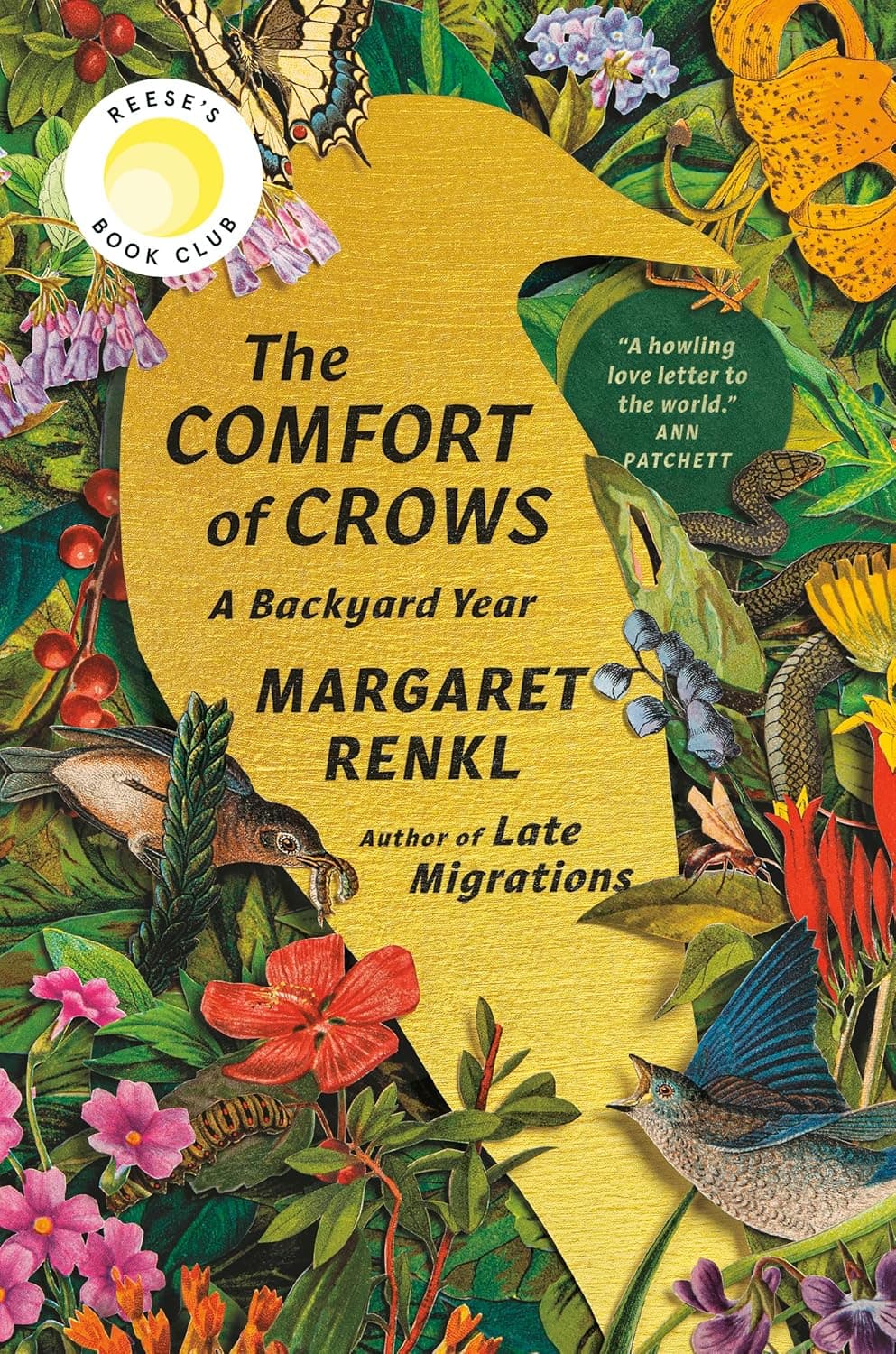
In the book’s closing movement, Margaret Renkl walks winter’s edge and listens—first to the music of dead leaves, then to December’s elegy, and finally to a flutter of hope as bluebirds reclaim a box at her back fence. Across three chapters, she faces mortality head-on and chooses rootedness, finding meaning in small resurrections and the ordinary work of care.
What Happens
Chapter 76: Praise Song for Dead Leaves
The canopy has fallen silent. The brilliant pigments of autumn bleach to ash, gray, and brown, and the sky opens so the moon and stars shine harder and closer. Renkl tunes herself to sound: the leaf litter becomes “the castanets of winter,” clicking and rattling beneath the feet of unseen lives.
A brown bird, a mouse—tiny bodies suddenly boom “larger than life” as they skitter through the brittle carpet. Her own steps drum back at her, magnifying her presence until she feels majestic, almost mythic, in this spare landscape. That reverberation brings a tender, precarious belonging: for a moment, the woods let her in, and she nearly fits the shape of their quiet, a living chord in The Human-Nature Connection.
Chapter 77: Ode to a Dark Season (Fall Week 12)
December strips everything to form. With the leaves gone, the seams of the land emerge—the folds and runnels where rain gathers, slips, and hurries to the sea. Birds fall mostly silent except for the jays’ sharp alarms when a hawk drifts past. The season presses her toward what she calls the “inevitability of death,” and memory presses with it: her father’s cancer turning a corner that treatment can’t follow; her mother-in-law entering hospice a decade later. After a recent health scare, a friend sums up middle age’s blunt arithmetic: “I feel like I’ve reached the age when I have to make friends with death.”
Renkl can’t make peace with death as John Keats did; she can’t romantically embrace it. But a benign biopsy loosens her fear just enough to notice the woods’ smaller passings as companions rather than threats. Decay turns practical and tender—fallen leaves feed the trees; deadwood harbors the cavities of future nests. When she comes upon a red-tailed hawk dead at the base of a power pole, vultures begin to wheel above. The scene becomes a quiet liturgy of Cycles of Life, Death, and Renewal: “death to life, earth to air, wing to wing.” Death, she decides, is a membrane, not a wall. In this world, “There will always be a resurrection.”
Chapter 78: The Thing with Feathers (Fall Week 13)
Winter bears down. She watches The Bluebirds return to the summer box, not to nest but to “reassert ownership” and squeeze in together overnight, keeping one another warm. Over the fence line, a new, oversized house goes up—saws, nail guns, engines, a daily commotion that The Crows patrol and investigate. The bluebirds barely notice.
That calm nudges a hard conversation at home. With their parents gone and their sons grown, Renkl and her husband, Haywood, consider leaving the noise for someplace quieter. She imagines the relief of a fresh start—then feels the weight of the years they’ve lived here: children learning to ride bikes, neighbors exchanging casseroles and care through surgeries and funerals, the familiar routes of butterflies and snakes, the dusk glances from the foxes. Thinking of departure, she breaks into tears. Haywood pulls her in and whispers, “It’s OK.”
Renkl looks from the box to the builders and understands the deeper pull of home. Her choice to stay braids together Aging, Family, and the Passage of Time with the obligations she feels to her human and wild neighbors. Amid construction noise and winter chill, a small wingbeat of “something that feels just a little bit like hope” rises—a final grace note in Grief, Hope, and Environmental Change.
Character Development
Renkl closes the year not by escaping loss, but by folding it into a durable sense of place. Letting nature’s cycles instruct her, she moves from dread toward a steadier acceptance and recommitment.
- Margaret Renkl: Processes a health scare and past family losses; reframes death as transformation rather than annihilation; feels kinship with decay’s work; chooses to remain in her changing neighborhood as a watchful steward.
- The Bluebirds: Model resilience and communal shelter; their “reassertion” of the nest box mirrors Renkl’s decision to recommit to home.
- Haywood: Offers quiet, anchoring support; his “It’s OK” steadies the emotional pivot from leaving to staying.
Themes & Symbols
Winter clarifies the book’s core ideas. The seasonal stripping-down makes visible the scaffolding of the land—and the scaffolding of Renkl’s thinking. Death nourishes life; decay is an engine, not an end. From leaf litter to a fallen raptor, the chapters insist that vulnerability and renewal are twined, and that acceptance frees attention for care.
Personal grief runs alongside habitat loss and development. Rather than setting human industry against wild instinct in a simple binary, the conclusion holds both: birds that adapt by huddling; builders whose “cheerful competence” will house future families. Hope arrives not as denial, but as fidelity—to a place, to neighbors, to the daily practice of looking closely.
Symbols:
- The dead hawk and circling vultures: A clear-eyed emblem of transfer—energy moving from one body to many, making visible the ecosystem’s swift conversions.
- The bluebirds’ nest box: Home as memory, refuge, and winter strategy; a site for both beginnings and endurance.
- The new construction: The noise and churn of change; disruption that also shelters future lives, complicating a purely elegiac view.
Key Quotes
“the castanets of winter”
- Turns leaf litter into music, making the season audible and alive. Elevates what’s usually overlooked and invites a performative sense of belonging as she walks.
“I feel like I’ve reached the age when I have to make friends with death.”
- Names the emotional threshold of middle age. The line frames Renkl’s December reflections and pushes her from avoidance toward a workable philosophy.
“death to life, earth to air, wing to wing.”
- Compressed liturgy of transformation at the hawk’s body. Refuses sentimentality while honoring the beauty of ecological exchange.
“There will always be a resurrection.”
- The book’s clearest statement of cyclical hope. Shifts comfort from metaphysics to the observable patterns of the living world.
The bluebirds return to “reassert ownership.”
- Casts animal behavior as a claim on continuity and place. The phrasing mirrors Renkl’s renewed claim on her own home.
“This is the one world, bound to itself and exultant.”
- Annie Dillard’s benediction closes the book by affirming interdependence. It seals the argument that connection—human to wild, death to life—is both fact and joy.
Why This Matters and Section Significance
These chapters conclude a year-long meditation by moving from lyric attention (leaves) through philosophical reckoning (death) to intimate choice (home). The December essay supplies the intellectual hinge: understanding decay as generative. The finale supplies the moral action: stay, tend, witness.
Renkl’s decision resists fantasies of escape. She models a practice of rooted stewardship—accepting change, cherishing neighbors, and committing to a specific place. The book ends not with certainty but with a practiced hope: small, local, durable enough to meet winter and begin again.