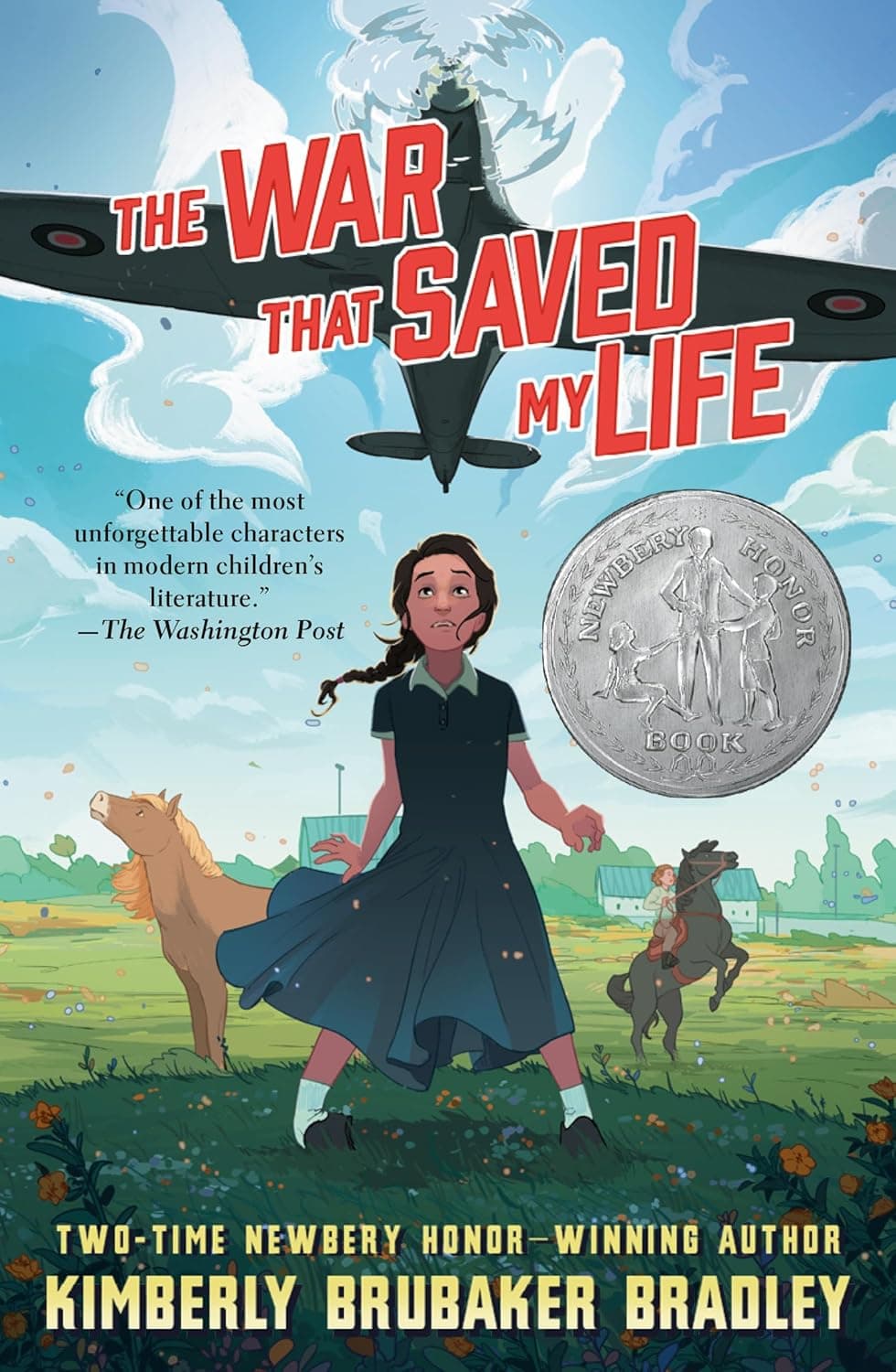
Opening
Across these chapters, outward victories—riding with a sidesaddle, learning letters, sewing, planning Christmas—collide with the private battlefield of trauma. Ada Smith grows stronger and braver, but the gift of tenderness from Susan Smith exposes wounds that skill and routine can’t hide, culminating in a devastating Christmas Eve reckoning with love, shame, and the possibility of a new family.
What Happens
Chapter 26: The Sidesaddle
Susan cleverly coaxes Ada into writing by having her copy the letters of her own name. Ada pockets the paper to practice in secret, proud and wary at once. At the stables, Fred Grimes surprises Ada with a sidesaddle—“how proper ladies used to ride”—and shows her how to use a stick as her “right leg.” The saddle steadies her body and transforms riding from effort to ease, opening a conversation about the last war and how it changed who gets to be a “proper” anything.
Even as Ada’s world widens, fear tightens around what feels temporary. A letter arrives from Maggie Thorton. Refusing Susan’s help, Ada sneaks it to Fred; he reads that Maggie wants to ride at Christmas. Ada vows the war will end soon and Mam will fetch them, rehearsing loyalty to a mother who has never shown it. After Butter throws her, Susan mutters, “I never wanted children.” Ada fires back, “I never wanted you,” but Susan’s immediate concern softens the moment. Ada realizes her deepest conflict: she wants Mam to be like Susan, and she fears Susan will turn out like Mam—an early, aching expression of The Meaning of Found Family.
Chapter 27: A Doctor’s Visit
Susan brings Ada and Jamie Smith to Dr. Graham, who marvels at their improved health. He still thinks Ada’s foot will need surgery, but he suggests daily massage to increase flexibility. A new ritual forms: after reading Swiss Family Robinson at night, Susan massages Ada’s foot. When Susan notes how cold it is, Ada says if it’s numb, it doesn’t hurt—an offhand truth that makes Susan flinch.
Susan moves from sympathy to problem-solving. She hands over her thick wool stockings, then reshapes an old pair of slippers into a warm house shoe that fits Ada’s foot. These ordinary, clever acts of care—stocking, slipper, nightly touch—respond to years of neglect and begin the slow, bodily work of Trauma, Abuse, and Healing.
Chapter 28: Make Do and Mend
With winter closing in, the cottage hums with needles and thread. Susan follows the “Make Do and Mend” campaign and, as she snips and sews, shares that her father disapproved when she went to university and didn’t marry. She teaches Ada to sew by hand—first buttons, then small hems—and publicly credits Ada’s help to the WVS women, a quiet, public naming of Ada’s worth. She knits hats and mufflers, and designs riding mittens with leather palms so Ada can keep hold of the reins.
The vicar arrives with boys to build an Anderson shelter; Stephen White explains he stayed behind to care for the nearly blind colonel, and invites Ada to tea, demystifying a social world she’s been afraid to enter. The finished shelter—low, damp, and smelling like Mam’s cupboard—terrifies Ada. It’s a buried echo of the cabinet where she was locked, a tangible trigger on the fault line between Freedom and Imprisonment.
Chapter 29: Learning to Read
Winter dims the light in Susan’s eyes, reminding Ada of the woman she first met—frail, shivery, alone. Wanting to help, Ada asks Susan to teach her to read. The alphabet bores her until Susan writes, “Ada is a curmudgeon,” and Ada lights up, soon leaving simple, teasing notes around the house. Their wordplay becomes a new, private language.
Susan reveals she has invited Mam for Christmas, hoping to discuss Ada’s foot. Ada and Jamie, who have never celebrated, don’t know how to feel. Ada invites Maggie to Christmas dinner, wanting a friend of her own to balance Jamie’s pilot guests. Choosing to learn and to reach outward marks a turning point in Ada’s Identity and Self-Worth.
Chapter 30: A Green Velvet Dress
Riding with Maggie, Ada admits she never answered the letter because she’s just learning to read and write. She confesses she doesn’t let herself get attached to Susan, who feels “not… actually real.” Maggie gently counters that Ada has changed—stronger, freer. They gallop, and Ada jumps logs for the first time, a clean rush of Courage and Resilience that feels like flying.
Christmas preparations fill the cottage. Susan explains the religious meaning of the holiday; Ada and Jamie listen as if to a foreign story. Urged by Maggie, Ada asks Fred for wool—his late wife’s—and she and Susan barter “nothing time” to work on secret gifts. On Christmas Eve, Susan unveils a green velvet dress she has sewn for Ada. Instead of joy, terror slams into Ada. Mam’s voice—“ugly piece of rubbish”—roars back, and Ada screams she can’t wear it. Susan gathers her, holding her through the storm of panic as the cost of tenderness finally surfaces.
Character Development
These chapters show growth that looks effortless from the outside—new skills, stronger bodies, widening circles—and the halting, courageous work inside, where love feels dangerous.
- Ada: Learns to write, then read; rides beautifully with the sidesaddle; begins sewing; initiates friendship and gift-giving. Still guards her heart, insists Susan isn’t “real,” and is shattered by the dress, revealing how deep Mam’s cruelty runs.
- Susan: Steps fully into mothering—doctor visits, massages, custom clothing, lessons—and shares her own past, meeting Ada on equal ground. Her calm presence during Ada’s panic redefines care as steadfastness, not perfection.
- Maggie: Moves from cheerful acquaintance to truth-telling friend; listens, forgives the unanswered letter, and reflects Ada’s growth back to her. Her family’s unhappy Christmas complicates easy assumptions about class and pain.
- Fred: Offers tools for freedom (sidesaddle) and tokens of trust (his late wife’s wool), acting as a steady adult who sees Ada’s capability without pity.
Themes & Symbols
The story threads external competence through internal injury. Progress doesn’t erase pain; it gives Ada enough safety for buried fear to surface. In this light, kindness isn’t a reward but a risk—receiving it threatens the identity Mam enforced. The dress doesn’t create Ada’s crisis; it reveals it.
- The sidesaddle becomes a symbol of adaptation: a relic of “proper lady” decorum repurposed into a device of power. It turns a limitation into a technique, transforming shame into skill.
- The Anderson shelter mirrors the cabinet: safety to some, a prison to Ada. War’s protections reopen private wars, showing how environments can carry memory.
- Make Do and Mend stretches beyond fabric. Susan reworks grief and solitude into care, while Ada learns to craft a life from scraps—letters, mittens, routines—and to believe what her hands can make might change who she is.
Key Quotes
“I never wanted children.” Susan’s slip exposes her fear of failing and the life she didn’t plan. Ada’s quick hurt meets Susan’s equally quick care, modeling conflict that doesn’t end in cruelty—a new pattern for Ada to witness.
“I never wanted you.” Ada repeats the language of rejection she knows, testing whether this new adult will withdraw. Susan’s steady worry afterward teaches Ada a different rule: love can withstand anger.
“Ada is a curmudgeon.” This playful sentence flips reading from humiliation to delight. Words become tools for mischief and affection, and literacy becomes a doorway to identity rather than a measure of failure.
“Proper ladies” used to ride like this. The phrase carries class and gender expectations, but in Ada’s hands the sidesaddle is liberation, not constraint. What once enforced decorum now enables speed, balance, and pride.
“Ugly piece of rubbish.” Mam’s voice detonates when Ada confronts beauty made for her. The dress collides with that script, and Ada’s panic shows how kindness threatens the lies that kept her small.
Why This Matters and Section Significance
Chapters 26–30 mark the hinge of the novel: Ada’s outer world expands—horse, letters, friends—while her inner world breaks open. The Christmas Eve panic is the necessary eruption that forces both Ada and Susan to face the depth of harm and the cost of healing. It clears the fragile politeness from their home and replaces it with something harder and truer: a found family that chooses each other, not because it’s easy, but because it’s real. In a story set during one war, these chapters expose the other one Ada fights—over body, memory, and the right to be loved—and show that winning it will require both skill and tenderness.