What This Theme Explores
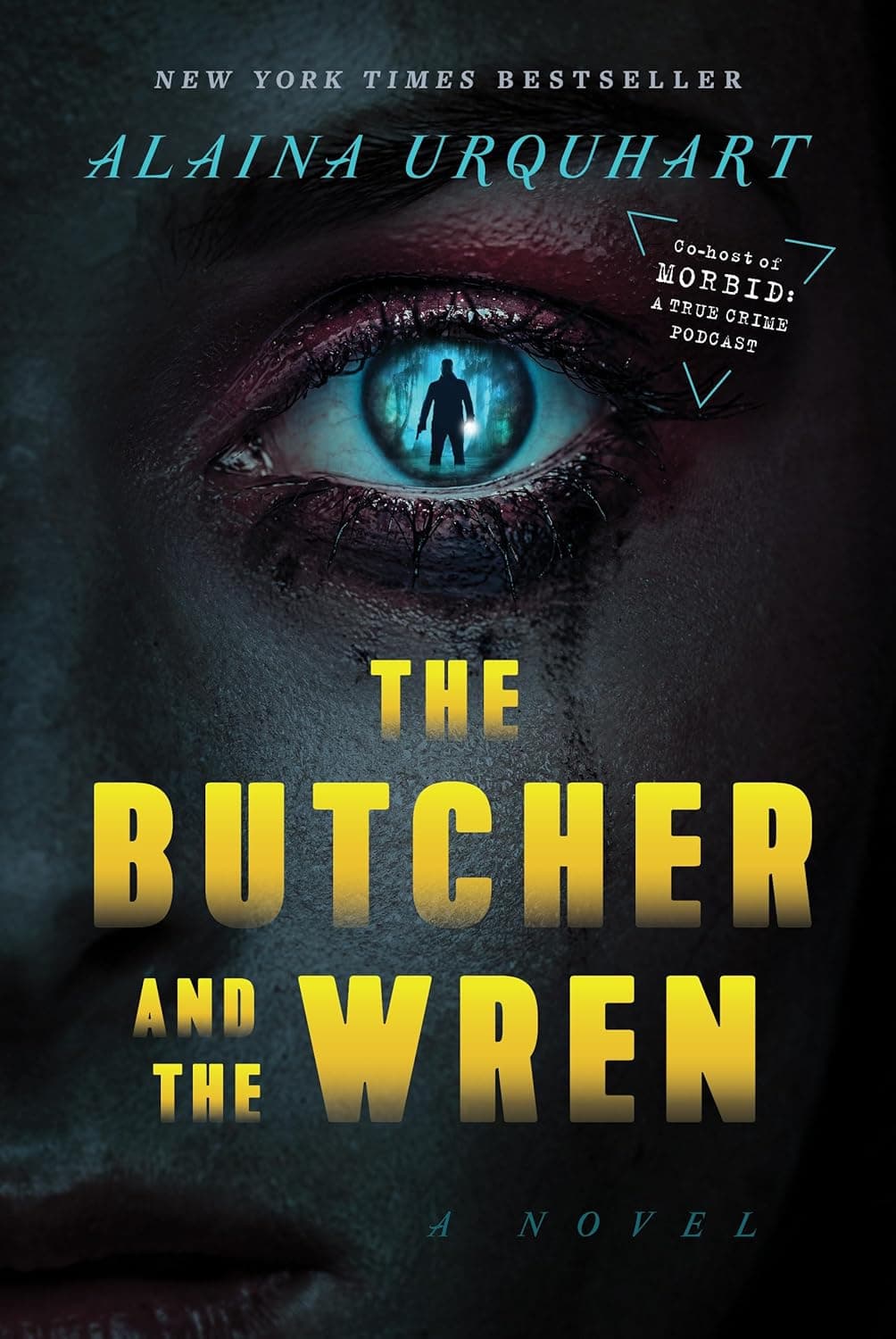
The Nature of Evil in Alaina Urquhart’s The Butcher and the Wren asks whether monstrosity is instinct, indoctrination, or performance. Through the killer Jeremy Rose and the forensic gaze of Dr. Wren Muller, the novel interrogates the gap between what evil says it is—cold logic, evolutionary superiority—and what it looks like when control slips. The book suggests that “genius” is often a costume: intellectual posturing that masks insecurity, narcissism, and an appetite for dominance. When that costume tears, evil is revealed as petty, angry, and painfully human.
How It Develops
Early on, Jeremy frames his predation as nature’s design. He mythologizes himself as a refined apex predator—likening himself to a corpse flower, alluring yet rot-born—and recasts victims as “subjects” in a clinical experiment. This origin of evil is presented as bloodless theory: a predator narrating his appetites as science.
Midway, the theory becomes theater. Jeremy turns killing into a performance of superiority, scattering clues and curating an adversarial “dialogue” with investigators. Here the novel threads evil to narcissism and spectacle, echoing the theme of Intellectual Pride and The God Complex: evil thrives on an audience, proving itself by humiliating the “experts” who chase it.
In the final stretch, the performance collapses. After his planned manipulation of Emma and the attack on Tara Kelley disintegrate, Jeremy’s meticulous persona gives way to rash violence and domestic tantrum. What began as a philosophy ends as flailing ego; the book strips off the rhetoric to show that the engine of his cruelty is not intellect but rage at losing control.
Key Examples
-
Jeremy’s philosophical justifications: In the opening, Jeremy insists his impulses are evolutionary truth rather than moral failure, casting himself as clear-eyed and others as naïve.
Most people don’t allow themselves to see the savage side of a psyche that was crafted millions of years ago out of their ancestors’ often brutal need to survive. These are the traits that evolution deemed to be useful. People are just too dumb to understand that their own predilections are suggestive of a gene pool that is rooted in brutality. By relocating evil from conscience to “nature,” he absolves himself and elevates cruelty into a mark of superiority—an origin story he will later fail to sustain.
-
The formative memory of the doe: In Chapter 6-10 Summary, his father’s killing of an injured deer (“There’s a pecking order”) becomes the seed of Jeremy’s worldview. A lesson about mercy and hierarchy is corrupted into license: if suffering exists, the “higher” man may author it. The scene shows how banal authority can sanctify brutality when filtered through a child hungry for permission.
-
Wren’s counter-perspective: Wren reads the killer’s theatrics as insecurity rather than brilliance.
It’s always about control. This kind of monster feels power in making sure everyone knows that he is in charge. Wren knows though that these calling cards indicate insecurity more than confidence, like someone who tells a joke but then spends a half hour explaining the punch line. Her clinical lens punctures the myth of the mastermind, reframing “signatures” as compensations—a crucial step in demystifying evil’s glamor.
-
The shift to impulsive violence: After the plan involving Emma collapses, Jeremy’s attack on Tara in Chapter 26-30 Summary is reckless and unplanned. The slippage from precision to outburst reveals that his ideology was a scaffold for ego; without triumph, his “method” evaporates. His rage at Tara’s survival exposes a motive closer to humiliation than science.
-
The final unraveling: In Chapter 31-35 Summary, he smashes objects at home, bleeding and spiraling—violence without an audience or theory. The private tantrum mirrors his public collapse, confirming that the philosopher-killer was always a role. What remains is a childlike fury at being thwarted, not a grand design.
Character Connections
Jeremy embodies evil as performance—erudite diction, anatomical jargon, predator myths—yet his violence repeatedly serves a craving for dominance rather than discovery. His self-styling as a researcher masks terror of being ordinary; when his control wobbles, so does the persona, revealing the theme of Control and Powerlessness as his true axis. The novel insists that his intellect is not the cause of the cruelty but its camouflage.
Wren counters him by grounding each flourish in evidence. As a pathologist, she translates spectacle into trace: wounds, fibers, timing, biomechanics. Because her own history intersects with Jeremy’s, the theme of Past Trauma and Its Lingering Effects sharpens her insight; she recognizes that the killer’s “signatures” are not genius but bids for control, and she refuses the narrative he writes about himself.
Jeremy’s father, glimpsed in flashback, supplies the language that legitimizes harm: “open it up” to know, “pecking order” to rule. These banal slogans—half practicality, half swagger—become the moral grammar of Jeremy’s adulthood. Evil here is inherited not as destiny but as vocabulary: a way of naming the world that licenses domination.
Symbolic Elements
-
The bayou: A gorgeous, lethal ecosystem Jeremy hails as symphony, it embodies the story’s predator logic—beauty woven with decay. By aligning himself with this landscape, he claims nature as alibi, even as the swamp’s concealment mirrors the disguises he wears.
-
The corpse flower: Magnificent at a distance and fetid up close, it captures the novel’s demystification of the “brilliant” killer. Jeremy’s self-comparison becomes ironic: what he calls rare bloom is, to others, the smell of rot.
-
Scientific and medical terminology: References to lobotomies, “jake leg,” and spinal anatomy function as moral launderers. The diction cools the heat of violence, letting Jeremy rename cruelty as inquiry—and letting the narrative show how rhetoric can sanitize atrocity.
Contemporary Relevance
In a culture that often romanticizes the “mastermind” murderer, the novel argues for deglamorization. It exposes how spectacle, jargon, and cat-and-mouse theatrics can seduce audiences into mistaking insecurity for genius. By returning evil to the human scale—petty egos, learned scripts, failures of control—it cautions against media myths and invites more ethical consumption of true crime narratives.
Essential Quote
Most people don’t allow themselves to see the savage side of a psyche that was crafted millions of years ago out of their ancestors’ often brutal need to survive.
This line crystallizes Jeremy’s self-myth: evil reframed as evolutionary clarity rather than choice. The book spends its length testing that claim, and by the end, exposes it as self-serving rhetoric—an origin story designed to dignify rage and disguise the terror of powerlessness.