Opening
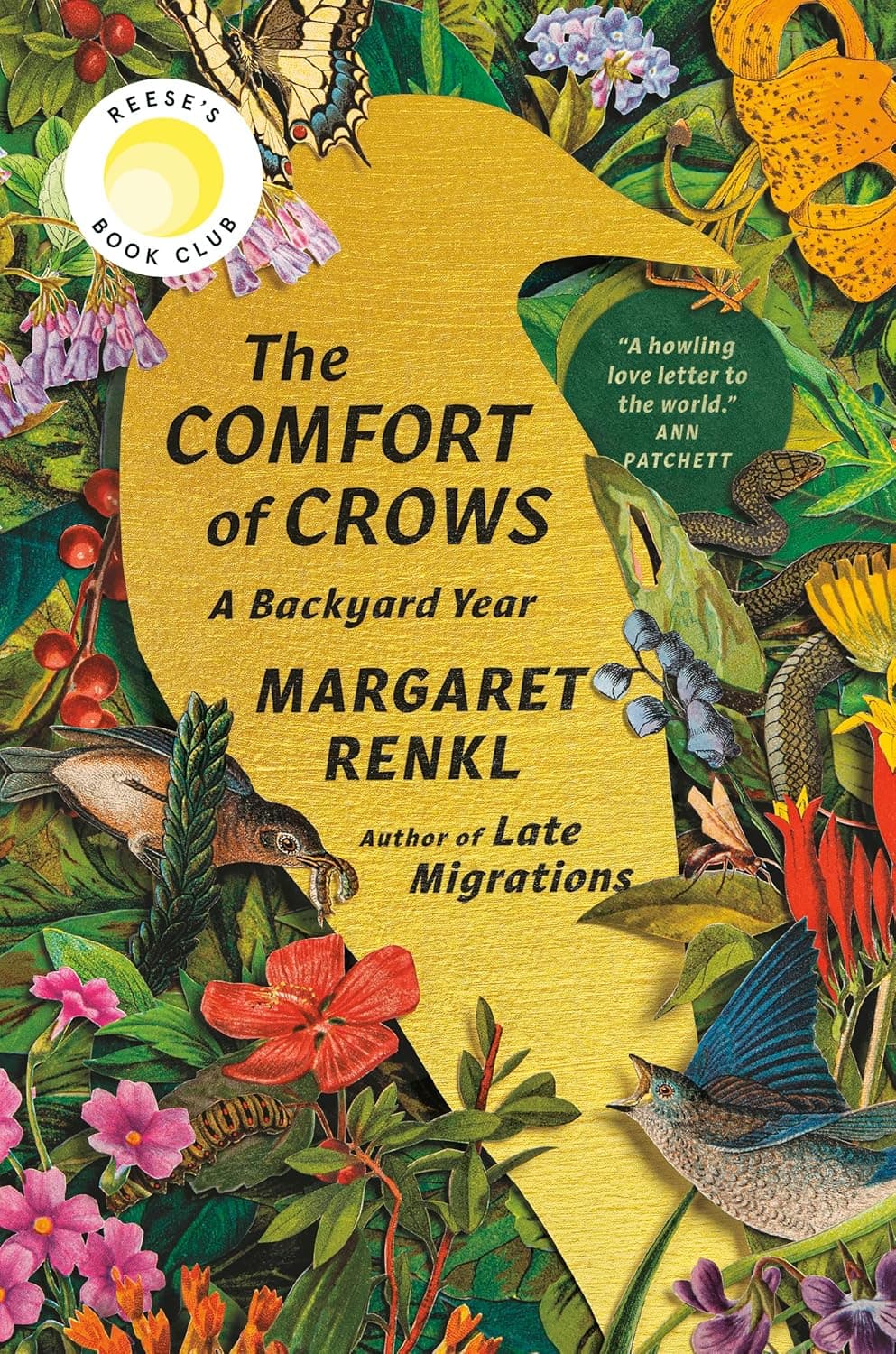
A sudden thaw jolts the quiet winter into motion as Margaret Renkl braces for two departures at once: spring’s surge and her two younger sons leaving home for good. These chapters braid household change with backyard revelation, holding Aging, Family, and the Passage of Time alongside Grief, Hope, and Environmental Change—a constant oscillation between loss and renewal.
What Happens
Chapter 11: Done with Waiting
In the eighth week of winter, rain finally breaks into a warm, sparkling day. A cardinal sings like it’s already March, and Renkl feels the same pull toward light and movement. Inside, that thaw mirrors a shift at home: her two younger sons—pandemic returnees—have jobs and a plan to move out together. Their coming home extended childhood unexpectedly; their leaving now feels both right and final.
Renkl savors the day’s beauty even as she worries about what it means. Unseasonable warmth is a warning, but her heart still lifts. That doubleness—glory and worry—matches the ache of her emptying nest. She longs for the “new and urgent and thrumming” energy of spring while wanting nothing at all to change. The chapter turns on this tension: the season opens; her household closes.
Chapter 12: It’s a Mystery
After heavy rain, Renkl finds a three-inch, fur-wrapped cylinder on the deck and thrills at the prospect of a giant owl pellet. She photographs it, consults naturalists online, and wades into a lively debate: pellet or carnivore scat? The object feels too light for scat; owl, she decides. The commentators, wry and generous, joke about deer fur and ask for video of the owl’s impossible kill.
She brings the trophy inside on a saucer to show Haywood, who gently confesses the truth: he unclogged the vacuum hose that morning, and the “specimen” is a wad of dog hair and Christmas tree needles. Renkl pivots from triumph to mortification, taking good-natured ribbing online as her discovery is crowned the “Hoover pellet.” The wild and the domestic collide, and the domestic wins—at least this time—underscoring The Human-Nature Connection.
Chapter 13: Praise Song for Mole Hands in Coyote Scat
Renkl writes a praise song for animal hands: the pink fingers of an opossum, the thumbless grip of a nursing squirrel, the still small hands of a deer mouse. Above all, she adores the “absurd fleshy pinkness” of mole hands, seen mostly in photographs or once on a neighbor-poisoned mole.
A photograph stops her: a pair of mole hands visible in coyote scat. The image does not break her heart. Instead, she recognizes a plain truth of the world: “Somebody was hungry. Somebody fed the hungry one.” The scene distills Cycles of Life, Death, and Renewal without sentimentality—an acceptance that sustenance requires loss, and that love for the living includes seeing how life is fed.
Chapter 14: The Crow Family
By late February, the garden lies quiet, but bare trees turn winter into a perfect bird-watching season. Woodpeckers, jays, and hawks appear in clean silhouette, and Renkl gravitates to corvids—the crows and blue jays—admiring their intelligence, mischief, intricate social lives, and long memories.
In the crows’ family structure she recognizes her own. American crow families often live together for years; older siblings help rear new nestlings. Their mutual grooming recalls the physical tenderness of her childhood. That multigenerational cohesion contrasts with the shame her sons feel about living at home and draws Renkl back to her parents and grandparents, who lived together out of necessity and devotion. Winter softens the crows’ predatory reputation; what she hears now are families talking, a language she can’t parse but trusts.
Chapter 15: The Knothole
Renkl names her present season “the last third,” the years after raising children and caring for parents. That clarity coexists with dread: the planet’s reliable rhythms have slipped; planting calendars feel untrustworthy. Climate change mirrors her own unsettled transition and tempts despair.
At dusk after a rain, she walks in the park and notices, seven feet up an old oak, a knothole. Inside the decay, chickweed seedlings glow bright green, heat-trapped and thriving—a tiny greenhouse cupped by rot. “Life in death in life,” she thinks, a mundane miracle. The knothole becomes her counter-spell against grief: keep looking every day for the radiant things that choose the broken places to bloom.
Character Development
Across these chapters, Renkl moves from restless anticipation to practiced attention. She embraces change even as she mourns it, learns to laugh at her own misreadings, and commits to seeking hope in overlooked corners.
- Margaret Renkl: Navigates the ache of an emptying nest; admits her longing for spring and for stasis; accepts humility after the “Hoover pellet”; frames her future as “the last third” and vows to notice what sustains her.
- The Sons: Prepare to move out together, embodying independence tinged with cultural shame about living at home; their transition crystallizes the book’s family-time arc.
- Haywood: Offers gentle ballast and humor, puncturing grand narratives with patient truth-telling.
- The Crows: Emerge as vivid neighbors—clever, playful, profoundly familial—modeling kinship that challenges modern, nuclear norms.
Themes & Symbols
Renkl keeps two truths in view at once: change wounds and change renews. The departure of her sons and the early thaw sharpen the theme of aging and time; she wants spring’s vitality even as she grieves what it leaves behind. Environmental anxiety threads through the beauty: the cardinal’s song lifts her heart while warning of a warmer world. Humor (the “Hoover pellet”) refuses despair, re-grounding the human within the everyday.
Her attention turns symbols into guidance. The crow family reframes home as a communal project across generations. The knothole garden insists that decay shelters life. The mole hands in scat expose a food chain that feeds sorrow and acceptance at once. Together, these images argue for a posture of reverent noticing—of meeting loss with witness, and grief with a practice of hope.
- Symbol: The “Hoover pellet” — A comic collision of domestic life and wilderness that humbles the observer and keeps wonder honest.
- Symbol: The Crow Family — A living blueprint for interdependence and care beyond the nuclear model.
- Symbol: The Knothole Garden — Resilience incubated by ruin; a small, durable theology of renewal.
Key Quotes
“new and urgent and thrumming”
Spring’s pulse names Renkl’s restless desire for movement—seasonal and domestic. The phrase captures her ambivalence: exhilaration that exposes what must be left behind.
“Somebody was hungry. Somebody fed the hungry one.”
This unadorned logic reframes shock into acceptance. Renkl honors the cost of survival without flinching, aligning compassion with ecological truth.
“Life in death in life.”
The knothole compresses a creed: decay nurtures, sheltering green in its hollow. Renkl adopts this as a way to live—seek the bright within the broken.
“Hoover pellet.”
The nickname preserves humility inside wonder. By laughing with others, Renkl keeps her naturalist’s awe porous to error, which in turn keeps it human.
Why This Matters and Section Significance
These chapters pivot the book from winter stillness to the threshold of spring, tying the season’s loosening to an irreversible change at home. The emotional engine becomes clear: how to carry beauty and fear together, to mother even as mothering changes shape, to witness a warming world without surrendering to it.
Introducing the crow family as kindred kin provides a durable lens for community and care that the book returns to again and again. And the knothole becomes one of the work’s defining emblems, a daily discipline of seeking “mundane miracles.” In the face of ecological and personal uncertainty, Renkl chooses attention—the smallest, steadiest form of hope.