Opening
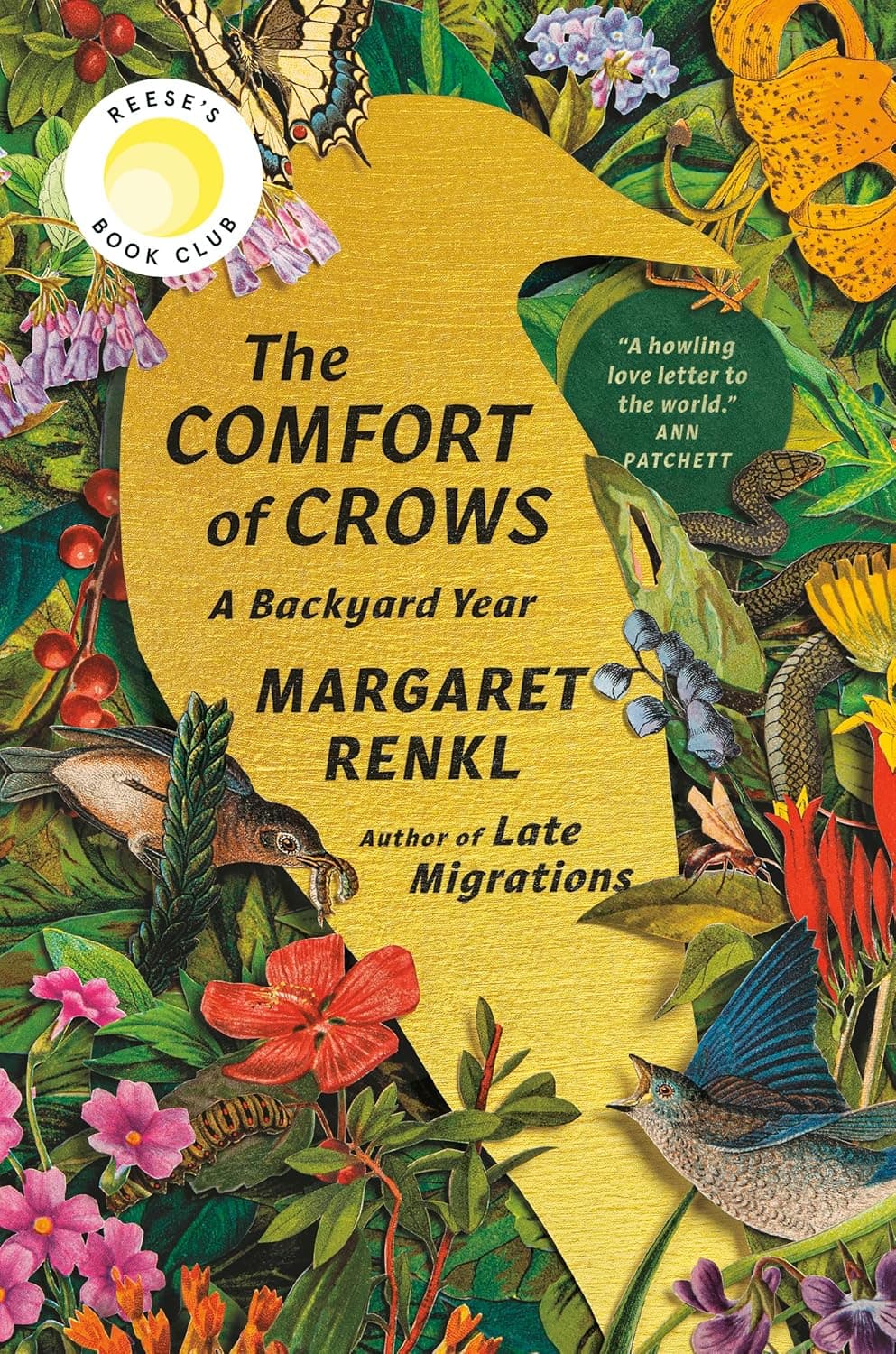
In a season of drought and softening light, Margaret Renkl keeps watch over the smallest lives and the grandest cycles. These chapters move from intimate praise songs to communal vigil, balancing wonder and ache as the year tips toward farewell, the earth dries, and attention itself becomes an act of care.
What Happens
Chapter 61: Praise Song for a Clothesline in Drought
During a parched spell, Renkl hangs a damp sheet on the line. Before she even pins it fully, “minutest winged creatures” alight on the fabric, sipping from the cool threads—too small for a birdbath, yet thirsty enough to find a lifeline in laundry. The domestic scene turns sacramental: light needles through wings, the sheet becomes a shared well.
She watches the creatures glitter the cloth “like bedazzling,” and the moment resolves into a benediction: “Light upon light upon light.” The image crystallizes the The Human-Nature Connection: unplanned generosity flowing from ordinary life amid Grief, Hope, and Environmental Change.
Chapter 62: Autumn Light
In the second week of fall, Renkl praises autumn’s “loveliest light,” soft as chalk dust in a quiet schoolroom. That glow reveals a perfect handoff in the wild: asters and goldenrod flare along roadsides, fueling monarchs and hummingbirds as warblers thread south. She calls it a “concatenation of abundance and need,” a seamless convergence timed by angle and sun.
Yet the beauty arrives shadowed. Aging reframes the season; what once felt like welcome reprieve now testifies that summer is over—an “irrefutable sign” that “our days have always been running out,” a truth tethered to Aging, Family, and the Passage of Time. She notes molting The Bluebirds and an orb weaver sealing egg sacs before dying, then steadies herself at the equinox’s balance point, a “gift of Janus,” promising return and future bloom within the Cycles of Life, Death, and Renewal.
Chapter 63: Flower of Dreams
A family heirloom echoes forward: her grandmother’s once-in-decades-blooming cereus ties Renkl to The Parents and Grandparents who shaped her. She now keeps her own stubborn, unblooming cutting, a gift via her brother Billy. When Billy texts that his cereus is opening, she alerts her husband, Haywood, and drives more than 50 miles—an urgent pilgrimage to witness a flower.
The road unfurls through a climate-baked landscape, and she notes the contradiction: gas in the tank, a drought around her, and a journey “to do nothing more than watch a flower bloom.” At Billy’s, neighbors and friends gather in a loose circle of attention. The bud loosens, and the bloom surges: a “white star inside a white flower,” fragrance pooling in the room. It does not ease drought or feed a native pollinator, but “it was also not nothing.” The blossom bridges her to her grandmother, to farm-childhood scents, to a fleeting fullness of belonging shared among watchers.
Chapter 64: Praise Song for the Back Side of the Sign
A wooden sign bans entry—“Keep Out,” “Private Property”—but the woods beyond refuse such grammar. “Here! Come here!” the living world seems to call. Renkl steps past the human command into the soft give of leaf litter and shade.
Goldenrod sways; a hawk trains its young; a chipmunk rasps a warning; a box turtle travels without sound. None of it is meant for her, and yet the total murmur feels like welcome. The scene hushes like a mother’s voice or a folded note: intimacy without possession, belonging unmarred by ownership.
Chapter 65: The Last Hummingbird
By the fourth week of fall, the light carries October’s mildness, but heat shatters the illusion. Drought grips the ground until it crackles underfoot. Renkl buys a sprinkler, and robins flit through the spray, moving in what “looks exactly like joy,” a dance that is also strategy, relief, survival.
Leaves refuse their usual blaze, yet migrants obey light’s command and go. At the feeder, the ruby-throated hummingbirds fall quiet; the bruising territorial skirmishes of summer yield to single-minded fueling. Renkl keeps vigil at the window, knowing the last departure tends to come around mid-October. She never sees the final one leave. That uncertainty sharpens the present and turns the season’s close into a ritual of attention and release.
Character Development
Renkl inhabits the role of watcher-caretaker, moving from lyrical witness to deliberate steward. She makes small offerings—a sheet’s dampness, a sprinkler’s rain—and receives small revelations in return, letting seasonal thresholds instruct her sense of time and belonging.
- She reframes autumn from relief to reckoning, facing mortality with sharpened tenderness.
- She seeks communal awe (the cereus vigil) to reconcile private memory with public wonder.
- She leans into everyday reciprocity: tending birds and insects while allowing their presence to steady her.
- She balances ecological grief with a practice of looking that honors what persists.
Themes & Symbols
The chapters braid human dailiness with the wild’s quiet orders. The clothesline scene affirms a reciprocal bond: a human task becomes habitat, proof that stewardship can be accidental as well as intentional. Autumn’s light lifts that reciprocity into a register of fate—abundance arriving precisely when travelers need it—while age reframes the spectacle as a series of endings held inside larger continuities.
Drought presses on every page, not as abstraction but as crackling ground and muted color. Renkl refuses to look away, yet her response is not grand solution but faithful attention: keeping vigil for a flower that blooms once, a bird that will not announce its last sip. The result is a gentle ethic of presence that turns watching into sustenance—for the watcher and the watched alike.
Symbols
- Autumn light: tenderness and limit, a softening brightness that measures what remains.
- Night-blooming cereus: rare visitation, family legacy, communal wonder in a single night.
- The last hummingbird: the ache of departures we cannot time or name; the holiness of not knowing.
- Drought: the felt weight of climate crisis, rendering small mercies both necessary and luminous.
Key Quotes
“Light upon light upon light.”
This closing triad from the clothesline praise song layers perception into blessing. It compresses care, beauty, and hope into one shimmering refrain, suggesting that attention multiplies light even in scarcity.
“The loveliest light there is.”
Renkl’s description of autumn light elevates a sensory detail into a thesis for the section: beauty that softens edges while revealing change, a balm that also tallies loss.
“A perfect concatenation of abundance and need.”
The phrase names migration’s choreography—flowers and travelers arriving in sync. It underscores interdependence as design, not accident, even as future disruptions threaten that timing.
“Our days have always been running out.”
A stark acceptance that aging does not create finitude but clarifies it. The line threads personal mortality through seasonal inevitability, aligning human time with the year’s waning.
“White star inside a white flower.”
The cereus opens into a concentrated cosmos. The image fuses the domestic and the celestial, showing how a single bloom can become a portal to memory, belonging, and awe.
“It was also not nothing.”
Renkl resists cynicism about small joys during crisis. The sentence preserves moral complexity—no, the bloom doesn’t fix drought; yes, it matters deeply—arguing for meaning that coexists with limits.
“Here! Come here!”
Nature’s counter-sign to “Keep Out” reframes belonging as invitation without ownership. It models a softer, nonproprietary way of being at home in a place.
“Looks exactly like joy.”
Her description of robins in the sprinkler acknowledges both delight and need. Survival and pleasure mingle, making joy itself a strategy under stress.
Why This Matters and Section Significance
These chapters mark the year’s pivot from abundance to leave-taking, tightening the book’s emotional weave of wonder and elegy. By alternating lyrical praise with narrative vigil, Renkl models a modest, durable response to ecological anxiety: practice attention, share awe, offer small aid. Drought brings the climate crisis to the front step; a sheet, a sprinkler, and a flower remind us that intimacy with the living world is both solace and obligation. Watching becomes the through-line—an ethic that connects family memory to seasonal return, and private tenderness to a planet in flux.