What This Theme Explores
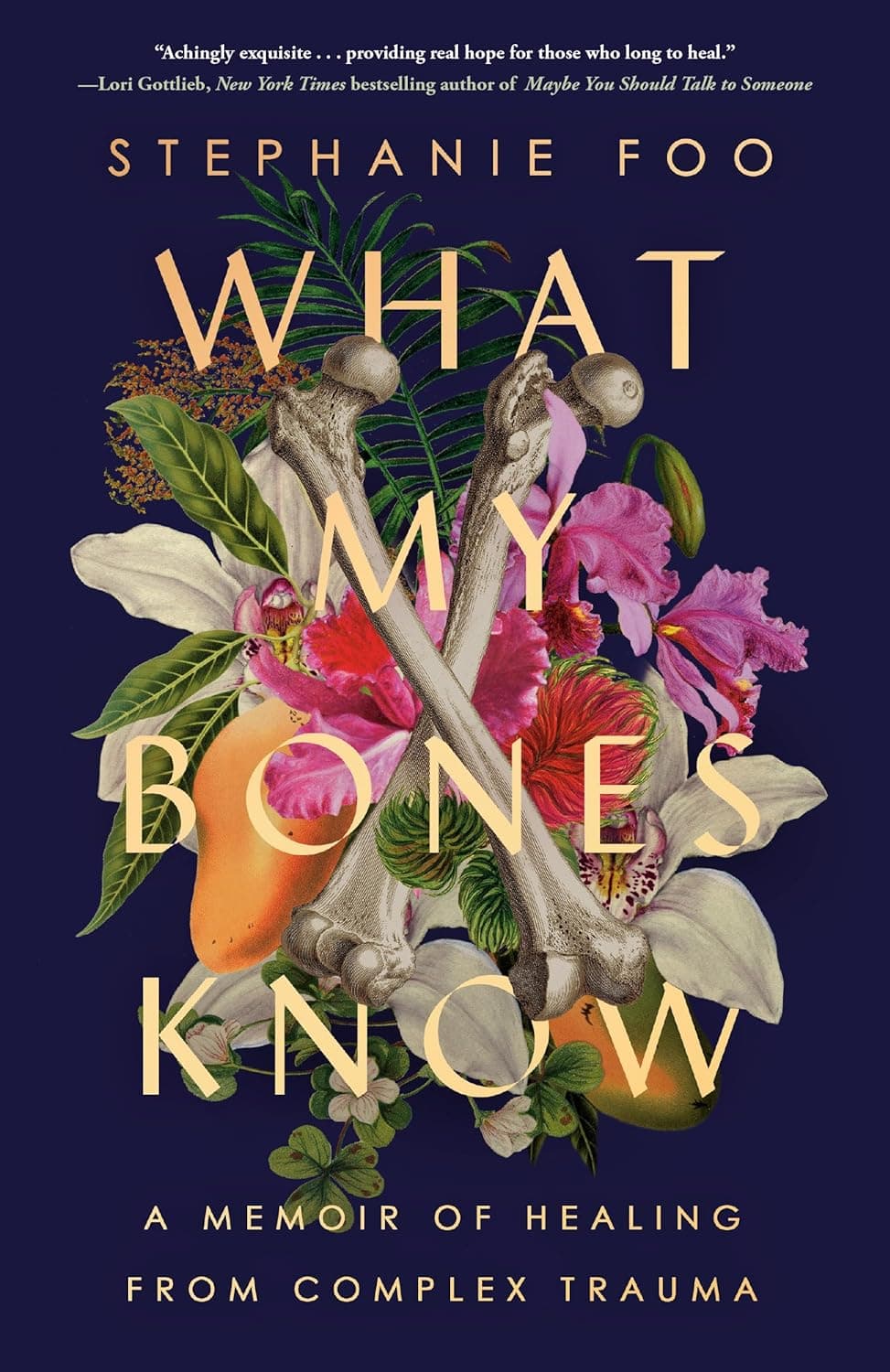
In What My Bones Know, the theme of Complex Trauma and Its Lifelong Impact asks how repeated childhood harm rewrites the self—mind, body, and relationships—long after the danger has passed. For Stephanie Foo, trauma is not a string of bad memories but a systemic condition that infiltrates identity and biology, generating an ever-present hypervigilance she calls “the dread.” The memoir probes how C-PTSD differs from traditional PTSD: not a single shattering event but a developmental fault line that cracks outward into adulthood. Most crucially, it considers whether such lifelong impact forecloses growth, or whether understanding, reframing, and care can convert survival adaptations into sources of wisdom and agency.
How It Develops
The theme first appears as a terrifying diagnosis that renders the past legible while making the future feel foreclosed. From the Prologue through Chapter 11, Foo’s C-PTSD diagnosis reframes lifelong patterns—panic, depressive spirals, relational volatility—as part of a single, systemic injury. The recognition is clarifying yet annihilating: if trauma has shaped everything, what remains that isn’t “broken”?
Her study of the science deepens this despair before it offers any relief. In Chapter 12 through Chapter 22, she learns the physiological footprint of trauma—altered brain structures, shortened life expectancy, chronic illness—making the impact feel not just psychological but cellular, even fated.
The lens then widens from the individual to the communal. Returning home in Chapter 23 through Chapter 31, Foo recognizes her pain within a broader pattern of Intergenerational and Cultural Trauma. This shift moves the theme from personal defect to shared inheritance: the damage is real and pervasive, but it is not uniquely hers nor proof of moral failure.
Finally, the narrative turns from verdict to practice. In Chapter 32 through Chapter 43, therapy with Dr. Jacob Ham reframes lifelong impact as a dynamic condition: pain may be inevitable, but suffering is modifiable. By distinguishing survival responses from character flaws, cultivating repair, and training curiosity, Foo learns to enlist what once undid her—turning hypervigilance into sensitivity, and self-critique into self-compassion.
Key Examples
-
The Diagnosis and Its Aftermath: In the Prologue, after receiving her diagnosis from Samantha, Foo’s frantic research convinces her that trauma has “infected” every facet of her life. The totalizing language mirrors how C-PTSD can collapse nuance, making complex selves appear reducible to symptoms. This moment sets the stakes: if trauma shapes everything, healing must address the whole system.
-
The “Dread”: In Chapter 8, Foo describes a post-event spiral—minor missteps trigger physiological terror, a “tornado of bees” in her lungs. This embodied panic shows how trauma rewires threat perception, making ordinary social friction feel catastrophic. The dread becomes the memoir’s barometer of safety, spiking when old patterns reassert themselves and easing as new regulation takes hold.
-
Physiological Consequences: In Chapter 13, Foo learns her ACE score of 6 correlates with a shortened life expectancy, and she studies research on smaller prefrontal cortices and enlarged amygdalae in trauma survivors. Later, her endometriosis diagnosis in Chapter 36 echoes studies linking childhood abuse to chronic illness. Together, these details insist that trauma’s “lifelong impact” is literal, not metaphor: the body remembers.
-
Relational Difficulties: A fight with Joey in Chapter 39 spirals from a single “look” into catastrophic thinking—she’s sobbing on a curb, convinced she’s unlovable. The scene reveals how C-PTSD can turn ambiguity into rejection and vigilance into self-sabotage. But it also becomes a site of later repair, as Foo learns to name triggers, reality-check assumptions, and reconnect.
Character Connections
-
Stephanie Foo: As narrator and subject, she embodies the theme’s arc from self-condemnation to integration. Workaholism, relational insecurity, and physical symptoms appear first as evidence of “brokenness,” then as adaptations to danger that can be repurposed. Her growth lies not in erasing impact but in translating it—learning when her sensitivity protects her and when it distorts reality.
-
Stephanie's Mother and Father: As the original sources of harm, they also exemplify trauma’s cyclical force. Foo reframes their volatility as unprocessed pain, showing how emotional dysregulation and abuse perpetuate across generations. This recognition neither excuses the damage nor centers redemption; it locates her healing within a larger, inherited system she chooses to interrupt.
-
Dr. Jacob Ham: The therapist who transforms impact into practice, he rejects pathologizing language in favor of survival logic—the “Hulk” emerges to protect. By foregrounding repair and collaborative reflection, he helps Foo move from shame and helplessness to agency. His approach demonstrates how reframing can convert lifelong impact into a sustainable way of living with—and learning from—one’s nervous system.
-
Lacey: As a peer with C-PTSD, she offers a living counterexample to fatalism. Lacey’s functionality and success prove that “lifelong” doesn’t equal “life sentence,” expanding Foo’s imagined future. Community becomes corrective mirror: what once felt isolating becomes survivable and shared.
Symbolic Elements
-
The Dread: This persistent hum of fear personifies an overactive threat system—the emotional climate trauma creates. Tracking its rise and fall turns recovery into a measurable, embodied practice rather than an abstract hope.
-
The Body: Altered brain structures, shortened telomeres, and chronic illness turn Foo’s body into an archive. The physical record rebukes the idea that trauma is “all in your head,” grounding the theme in biology and demanding medical as well as psychological care.
-
The Hulk: Dr. Ham’s metaphor reframes explosive reactions as protective force rather than moral failure. Befriending the Hulk symbolizes moving from suppression to partnership with one’s defenses—strength channeled, not shamed.
-
The Google Doc Transcripts: Co-editing therapy sessions makes distance and agency visible. By labeling “ruptures” and “misattunements,” Foo transforms overwhelm into analyzable patterns, converting chaos into craft.
Contemporary Relevance
In an era newly attentive to mental health yet prone to tidy “resilience” narratives, Foo’s memoir complicates the story: survival is heroic, but healing is iterative, embodied, and communal. By detailing C-PTSD’s scientific and systemic dimensions, the book shifts blame from the individual to structures that produce and exacerbate harm—family dynamics, cultural silence, racism, and medical sexism. It validates sufferers whose symptoms defy simple fixes, while urging institutions to meet trauma as a public health issue, not a private weakness. Lifelong impact becomes a call for sustained care, equitable medicine, and trauma-informed communities.
Essential Quote
“The more I read, the more every aspect of my personhood is reduced to deep diagnostic flaws. I hadn’t understood how far the disease had spread. How complete its takeover of my identity was... Everything—everything, all of it—is infected. My trauma is literally pumping through my blood, driving every decision in my brain.”
This passage crystallizes the theme’s initial totality: trauma as an invasive system, not a discrete memory. Its visceral imagery (“pumping through my blood”) fuses biology with identity, making the impact feel inescapable—so that later reframing reads as radical, not cosmetic. The memoir’s arc answers this moment not by denial but by redefinition: what feels like infection becomes information, and information becomes agency.