What This Theme Explores
Intergenerational and Cultural Trauma asks how pain becomes a family heirloom—transmitted not only through stories and parenting styles but also, potentially, through the body itself. It probes how cultural values around silence, gratitude, and success shape whether suffering is named or swallowed, particularly within immigrant communities under pressure to assimilate. The theme challenges the idea of trauma as a purely individual failure, reframing it as a collective inheritance that must be understood before it can be healed. For Stephanie Foo, the stakes are personal: knowing where the hurt began becomes the key to ending it.
How It Develops
At first, Stephanie experiences trauma as a private catastrophe confined to her household. In the Prologue and through the early chapters, the family’s immigrant striving appears as background texture rather than cause; cultural markers—church, accents, ambition—seem simply part of childhood, not conduits for harm. By the time we reach the midpoint of her story (Chapter 11-15 Summary), pain still feels personal, almost bespoke.
After receiving a C-PTSD diagnosis, she widens the frame. In her search for origin and meaning (Chapter 16-20 Summary; Chapter 21-25 Summary), she revisits San Jose and begins to ask whether what happened to her was an exception or a pattern. As classmates and community members name the pressures they faced, Stephanie starts to see how cultural expectations—achievement at any cost, gratitude to America, the suppression of “inconvenient” history—normalize silence around abuse.
The lens sharpens when she speaks with Auntie, who reveals that relatives witnessed the abuse and kept quiet in accordance with communal norms (Chapter 26-30 Summary). Stephanie extends her inquiry backward, tracing family histories of war, poverty, and displacement in Malaysia and studying how bodies carry those histories forward (Chapter 31-35 Summary). Scientific research gives a vocabulary for what intuition already suspected: the past lives inside the present.
In the final movement, she integrates this knowledge into practice: instead of pathologizing herself, she reframes traits of vigilance and grit as adaptations forged across generations (Chapter 36-40 Summary; Chapter 41-43 Summary). Seeing her symptoms as part of a lineage doesn’t excuse harm, but it dismantles shame and points to a way out: break the silence that once kept the family alive but now keeps its members unwell.
Key Examples
-
The culture of silence and endurance: Early family teachings cast suffering as something to shrink and swallow—virtue as invisibility.
“When the sky falls, use it as a blanket… Big things, make small. Small things, make nothing… Smile through your tears. Swallow your pain.”
— Chapter 1-5 Summary
This creed explains why witnesses did not intervene in Stephanie’s abuse: intervention violates norms more than abuse does. Silence becomes both shield and weapon—protecting adults from shame while isolating the child who bears its cost. -
Communal trauma behind the model minority veneer: A return to San Jose reveals peers who were also punished under the weight of perfection. Steve’s blunt admission—“We were all getting our asses beat”—exposes how academic pressure and fear of failure could legitimize violence in the name of success (Chapter 26-30 Summary). Professor Hien Duc Do’s “grateful refugee” framework shows how public gratitude and private pain coexist, forcing families to erase trauma to uphold the model minority myth.
-
The science of inheritance: Stephanie learns how trauma can alter stress-response pathways, changes that do not rewrite genes but can be passed on. The mice conditioned to fear the scent of cherry blossoms pass that fear to offspring who never experienced the shocks themselves (Chapter 31-35 Summary). Dr. Rachel Yehuda’s research on Holocaust survivors and their children offers a human corollary, lending scientific weight to the memoir’s contention that the body remembers what the mind does not.
-
Integration as resistance: By the end, Stephanie reframes C-PTSD as a “superpower” honed by generations—vigilance that once ensured survival can, with boundaries and care, become discernment (Chapter 36-40 Summary). Recognizing this lineage allows her to reject self-blame while also refusing to replicate harmful patterns, turning knowledge of the past into an ethical commitment in the present (Chapter 41-43 Summary).
Character Connections
As protagonist, Stephanie Foo embodies the theme’s core transformation: from self-loathing to lineage-aware self-understanding. Her investigation maps a path from symptom to source, revealing that naming inheritance is not an excuse but a method for reclaiming agency—she can honor what kept her ancestors alive while choosing different tools for her own life.
Her mother and father function as conduits of transgenerational harm. Their volatility and secrecy read not only as individual failings but as the downstream effects of war, scarcity, and migration—pain unmanaged becomes pain transmitted. The memoir refuses a simple villain/hero binary, insisting on a harder truth: empathy for origins does not negate accountability for actions.
Auntie is both custodian and critique of cultural wisdom. She teaches endurance as love while revealing how that very virtue can be turned against the vulnerable; her confession that the family knew but stayed silent crystallizes the costs of communal harmony maintained at a child’s expense.
With Dr. Jacob Ham, Stephanie unlearns “tiger-childing” her recovery—pushing herself with perfectionist rigor even in healing. He models a culturally attuned therapy that validates emotion and slowness, helping her replace inherited suppression with curiosity, and performance with presence.
Symbolic Elements
-
Malaysia: Once a soft-focus origin, Malaysia gradually becomes the subterranean source of the family’s pain—war, colonization, and poverty sedimented into memory. As Stephanie traces this terrain, the country shifts from nostalgic backdrop to a map of ancestral wounds that traveled with her family.
-
Silence and secrets: Hidden histories—lost children, remarriages, abuse—symbolize the ethic of suppression that preserves face but fractures trust. Silence is an inherited technology of survival that, in a new context, reproduces harm.
-
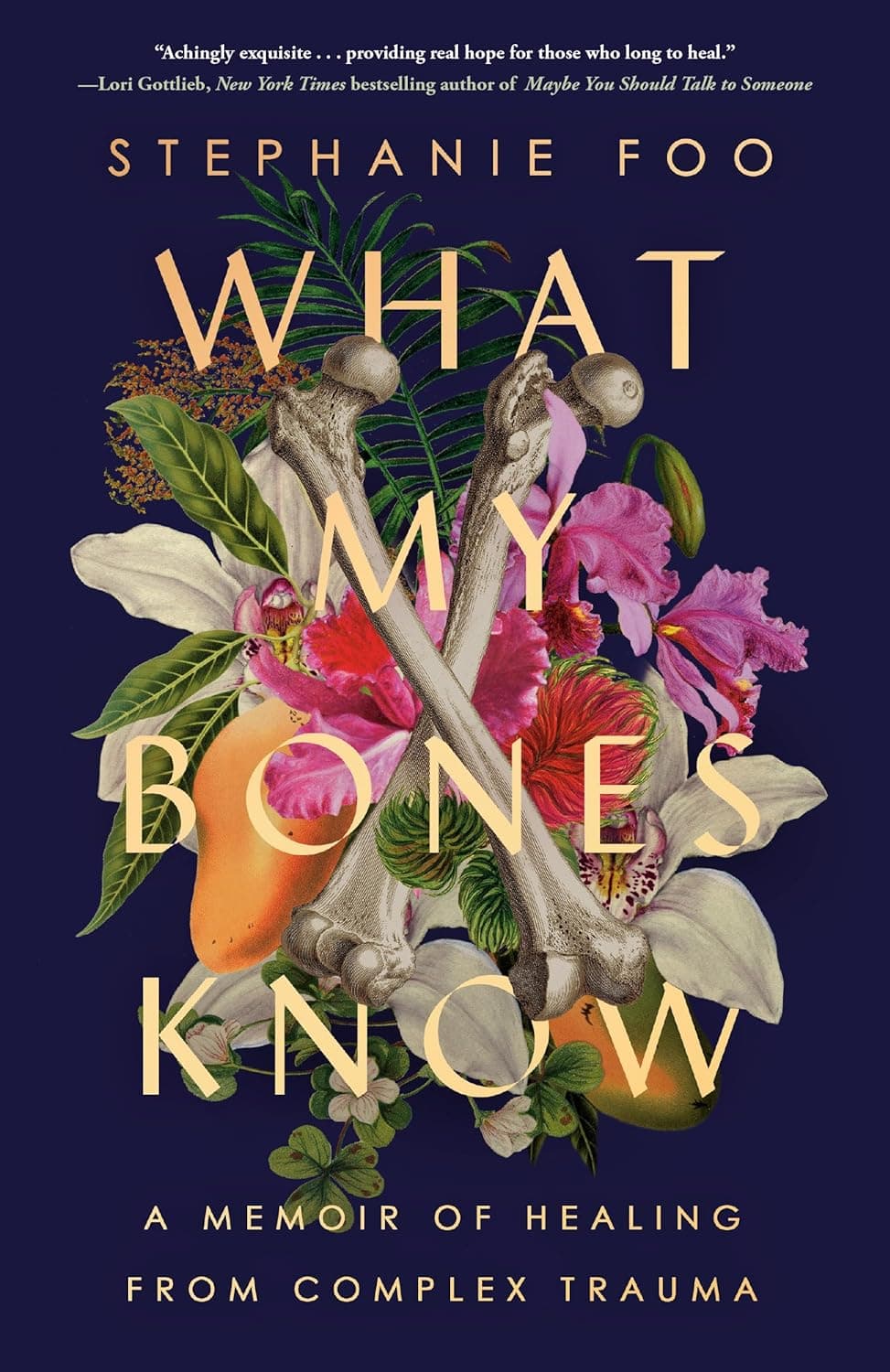
Epigenetics: This concept serves as the memoir’s tangible metaphor for “what my bones know,” translating ancestral experience into cellular echoes. It bridges story and science, granting Stephanie permission to take her body’s alarms seriously while seeking gentler settings for them.
Contemporary Relevance
The theme speaks directly to ongoing conversations about mental health in immigrant and BIPOC communities, where success narratives often eclipse the costs of survival. It challenges the model minority myth by exposing how enforced gratitude and achievement can hide cycles of violence and shame. As public interest in epigenetics grows, the memoir offers a nuanced reminder: biology is not destiny, but history is present—naming the past can guide more compassionate policy, parenting, and care.
Essential Quote
“When the sky falls, use it as a blanket. Big things, make small. Small things, make nothing… Smile through your tears. Swallow your pain.”
This mantra captures the theme’s paradox: the same ethic that once safeguarded a community under siege becomes destructive when it prohibits naming abuse. By transforming a collapsing sky into a blanket, the quote reveals both the ingenuity of survival and the violence of denial—an inheritance Stephanie must honor and revise to heal.