What This Theme Explores
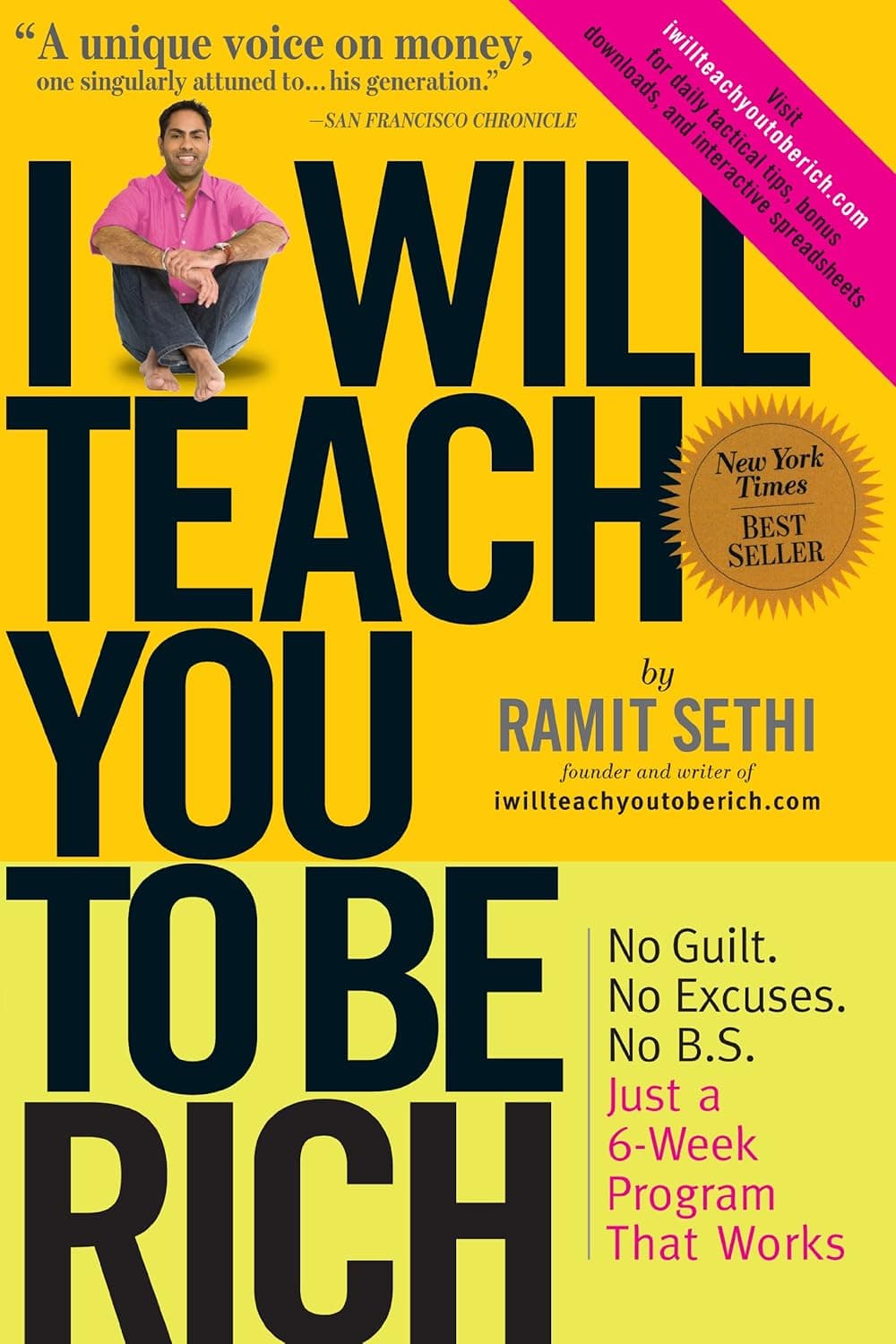
Long-Term, Passive Investing asks whether wealth is best built by dazzling market moves or by a steady, rules-based system that compounds quietly over decades. It reframes success away from “being right” in the short term and toward designing a process that works regardless of headlines or hype. The theme probes how time horizon, low costs, and broad diversification outperform intuition and excitement—and why human psychology makes consistency hard. It also elevates automation—especially Automatic Investing—as the practical fix for fear, greed, and indecision.
How It Develops
The book opens by puncturing the allure of “sexy” investing and replacing it with a vivid proof of patience. In the introduction, the Smart Sally vs. Dumb Dan comparison on page 5 makes a moral of the math: starting early and staying invested beats starting late—even if the later investor contributes for longer. This reframes “skill” as choosing time in the market, not timing the market.
From there, the strategy is scaffolded into real life. The plan becomes operational with the Ladder of Personal Finance, placed concretely at page 76: automate contributions into tax-advantaged accounts first, then layer on additional investing. By prioritizing 401(k)s and Roth IRAs, the book turns the theme into a daily system, not an abstract philosophy.
Next comes the intellectual pivot: dismantling the romance of expertise. On page 143, the “Myth of Financial Expertise” chips away at stock-picking and high-fee mutual funds, showing that, net of fees, most active managers underperform. The emphasis shifts decisively to costs, index funds, and asset allocation—not stock tips.
Finally, the plan matures into maintenance. Readers are told to Ignore the Noise on page 202: rebalance periodically, keep buying through volatility, and refuse to let headlines rewrite a well-chosen allocation. The theme culminates in a calm posture toward markets—confidence rooted in process, not prediction.
Key Examples
-
The Smart Sally vs. Dumb Dan Chart: By showing that Smart Sally invests early for only a decade yet finishes ahead of Dan, who invests longer but starts later, the book dramatizes compounding’s asymmetry. The example turns “start now” from vague advice into a measurable advantage that no amount of clever trading can catch.
-
“Sexy vs. Rich”: The book frames short-term trading as performative and long-term indexing as profitable. That contrast exposes a central tension—do you want bragging rights today or money later?—and makes “boring” a badge of superior discipline.
-
The Failure of Active Management: Citing that fund managers miss the market roughly three-quarters of the time, the book treats fees as a tax on hope. This data flips the default setting: unless proven otherwise, active management is presumed inferior to low-cost indexing.
-
Lifecycle and Index Funds: Lifecycle funds operationalize the theme by automating allocation and rebalancing, while broad index funds provide low-cost market exposure. Together they offer a turnkey process that removes timing decisions—the exact decisions humans are worst at.
Character Connections
-
Ramit Sethi: As narrator and coach, he models the “boring investor,” making inertia a design choice rather than a character flaw. His voice reframes restraint as strength, translating academic evidence into a practical routine anyone can follow.
-
John Bogle: Cast as the movement’s architect, Bogle stands for democratized returns: match the market, minimize costs, and let time do the heavy lifting. His philosophy undergirds the book’s skepticism toward high-fee products and guru culture.
-
David Swensen: As an exemplar of thoughtful asset allocation, Swensen lends institutional credibility. His influence widens the theme from “buy an index fund” to “own a diversified mix on purpose”—and then stick to it.
-
J.D. Roth: By advocating dollar-cost averaging and buying during downturns, Roth personifies emotional resilience. His stance embodies the book’s central claim: courage in the face of volatility is easier when your plan is automated.
Symbolic Elements
-
Lifecycle Funds: They symbolize the endgame of passive design—a single product that evolves with you. Their auto-rebalancing and shifting risk profile embody the idea that good investing is systematized once, then left alone.
-
Index Funds: These represent quiet defiance. Choosing them is a refusal to fund Wall Street’s fee machine and a commitment to evidence over theatrics.
-
“Boring” as Identity: The embrace of boredom rebrands patience as power. The symbol inverts cultural expectations: the less you trade, the more you earn, and the less attention you pay, the more control you actually exercise.
Contemporary Relevance
This theme anticipates the world of robo-advisors like Betterment and Wealthfront, where diversified, low-cost portfolios and automatic rebalancing are the default. As passive funds keep gaining market share, the book’s critique of fees and false precision has only sharpened. In a landscape saturated with memes, day-trading fads, and 24/7 financial news, the counsel to automate contributions, tolerate volatility, and ignore noise offers a psychological edge as much as a financial one—precision-engineered for an age of distraction.
Essential Quote
“When I hear people talk about the stocks they bought, sold, or shorted last week, I realize that my investment style sounds pretty boring: ‘Well, I bought a few good funds five years ago and haven’t done anything since, except buy more on an automatic schedule.’ But investment isn’t about being sexy—it’s about making money, and when you look at investment literature, buy-and-hold investing wins over the long term, every time.”
— Ramit Sethi, page 9
This passage distills the theme’s ethos: results over excitement, literature over lore, systems over spur-of-the-moment trades. By praising “boring,” it recasts the investor’s primary job as building a plan that requires less of them—so markets and time can do more.