Opening
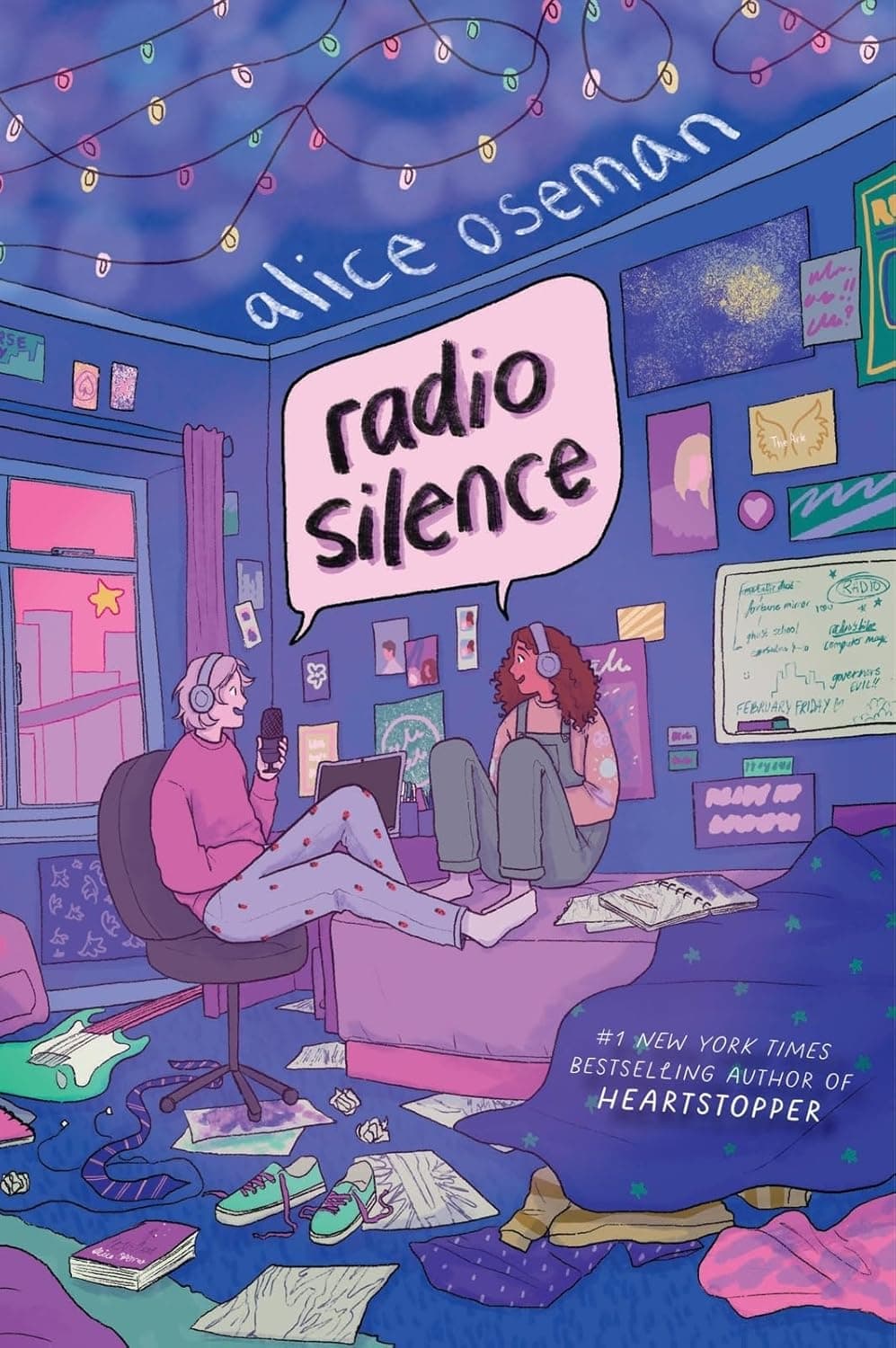
The morning after a disastrous party, Frances Janvier wakes to find Aled Last asleep in her bed—and realizes the quiet boy from school is the mind behind her favorite podcast, Universe City. Across five short chapters, awkward comedy turns into a profound, platonic bond as secrets surface, old loyalties reawaken, and online identities edge into the real world.
What Happens
Chapter 11: I KNOW, RIGHT
Frances tiptoes downstairs, bracing to explain why a boy is in her bed, only to discover Frances's Mum—cheerfully wearing a unicorn onesie—has already clocked him and is teasing Frances about her “lovely young chap.” Frances explains Aled was drunk, locked out, and couldn’t go home because his mother, Carol Last, is strict and volatile. The conversation quietly contrasts Frances’s easygoing home with Aled’s tense household, foregrounding Abusive Family Dynamics.
A crash upstairs cuts the chat short. In the same breath, Frances blurts out the truth: Aled is the creator of Universe City. Her mum freezes, stunned, mirroring the shock spinning through Frances since the night before.
Chapter 12: WEIRD
Back in her room, Frances finds Aled awake and terrified, brandishing a coat hanger and insisting he’s been kidnapped. Their first exchange is agonizing—Aled asks whether they “hooked up,” and Frances bursts into real laughter, instantly drawing a line that affirms Platonic Friendship and Love. When he notices her “Welcome to Night Vale” poster, Aled admits he assumed Frances’s whole life was Head Girl perfection and Cambridge ambition, which cracks open questions of Identity and Authenticity and the suffocating expectations of The Pressure of Academia and the Education System.
As he heads for the door, Frances blurts that she knows he makes Universe City. She then pours out a fervent, detailed love letter to the podcast—its agender hero, its lore, its aching loneliness. Aled, astonished, says he has never met a fan in real life. The air shifts: two isolated people truly see each other, crystallizing Loneliness and Connection. Frances almost confesses she’s Toulouse, the fan artist he admires, but withholds it, fearing she’ll overwhelm him—a choice that highlights The Power and Dangers of Fandom and Internet Culture and the peril of merging online and offline selves.
Chapter 13: WE’D MAKE MILLIONS
Over breakfast, their rhythm clicks. They trade notes on looming exams: Aled, a top student, seems oddly unbothered; Frances hides stress so intense she’s losing hair. They joke about a perfect club—no crowds, just a drunk bouncy castle and a ball pit—and discover they share the same social dread and sideways humor.
At the door, Frances compliments Aled’s lime green shoes. He admits he bought them in the women’s section because they’re “weird.” Frances shrugs: “They’re just shoes.” The simple reassurance lands deeply, quietly affirming gender nonconformity and touching on LGBTQ+ Identity and Representation. Aled thanks her for believing in his show. Frances again swallows the truth about Toulouse, sensing the new friendship is delicate and worth protecting.
Chapter 14: POWER
Frances flashes back to the train rides with Aled’s twin, Carys Last. Carys dazzles—dramatic, magnetic, always spinning stories—and Frances drinks it in. Only now does she see the omissions: Carys “never told the full truth,” and Frances was so “blinded” by charisma that she missed the eerie quiet between the twins.
That realization becomes a promise. Frances vows not to be blinded again, a step in her Coming of Age and a prelude to the fierce loyalty she’s starting to feel for Aled. The memory also hints at deeper fractures in the Last family that Frances failed to notice the first time around.
Chapter 15: ONLINE
A Universe City transcript opens the chapter: Radio calls the city deadly and concludes that “it’s impossible to survive alone,” resolving to find allies. The podcast’s pivot echoes the plot’s: Aled and Frances tentatively choose each other.
Their conversation moves to Facebook. Aled apologizes for the chaos; Frances confesses she used him as a party escape. They compare notes on nerves and crowds, trade short, warm messages, and settle into an easier register. The odd, intense night becomes a sustainable, everyday friendship—private, typed, and real.
Character Development
Frances and Aled shift from wary acquaintances to genuine friends whose truest selves begin to surface. Each gains the courage to risk being seen.
- Frances: Moves from secret fangirl to active participant in Aled’s creative world; balances euphoria with caution by withholding the Toulouse reveal; recognizes past naivety with Carys and resolves to pay attention; admits her academic stress rather than hiding behind perfection.
- Aled: Steps out of anonymity as the creator of Universe City; receives real validation that softens his isolation; tests small acts of self-expression (the shoes, the jokes); begins to trust that someone can like the “weird” parts of him.
Themes & Symbols
These chapters hinge on the collision between public masks and private passions. Head Girl Frances and quiet Aled both carry secret identities—fan artist and podcaster—that don’t fit their school personas. As they reveal those selves, loneliness gives way to connection, and the social scripts that once governed them start to loosen.
Fandom becomes both bridge and boundary. It forges a powerful bond through shared language and story, yet it also introduces risk: the fear that exposing an online self will shatter a fragile real-life bond. Small symbols carry big weight—the lime green “women’s” shoes embody vulnerable nonconformity, and Frances’s casual acceptance becomes its own kind of safety. The Universe City transcript functions as a mirror, narrating the same truth the characters live: no one survives alone.
Key Quotes
“Did we…hook up?”
Aled’s anxious question breaks the ice and sets the tone for their friendship. Frances’s laughter rejects a romantic script and establishes a safe, platonic space where both can breathe.
“They’re just shoes.”
Frances’s line normalizes Aled’s choice and signals unconditional acceptance. The moment reframes “weirdness” as individuality, inviting Aled to show more of himself.
“It’s impossible to survive alone.”
Radio’s conclusion in Universe City doubles as a thesis for this section. It names what Aled and Frances enact: alliance as survival.
“She never told the full truth… I was blinded.”
Frances’s reflection on Carys exposes her own past credulity and sets a new resolve. It foreshadows the vigilance and loyalty she’ll bring to Aled.
“Lovely young chap.”
Frances’s mum’s teasing warmth highlights the contrast between Frances’s supportive home and Aled’s tense one. Her tone models the easy acceptance Aled rarely receives.
Why This Matters and Section Significance
This stretch marks the story’s true lift-off: Aled’s reveal as the creator of Universe City turns a background classmate into a co-protagonist and anchors a central, platonic partnership. Their breakfast, jokes, and messages lay the groundwork for creative collaboration and mutual care, while Frances’s decision not to reveal she’s Toulouse creates rich dramatic irony that will propel future conflict.
At the same time, the chapters seed crucial context—the Last family’s fractures, the pressure cooker of school, and the power of being seen without judgment. Together, they reframe the novel’s stakes: not romance, but recognition; not popularity, but the courage to be fully known.