Opening
These chapters pivot from a secret in Frances Janvier’s past to the moment she finds the person who lets her be fully herself. A flashback with Carys Last shapes Frances’s fear of closeness, while the present-tense arc with Aled and Daniel exposes academic pressure, social masks, and the power of a fiercely platonic bond.
What Happens
Chapter 21: WE ARE OUT THERE
A flashback rewinds to Frances’s history with Carys. On a train, Carys casually mentions she’s gay, clocking Frances’s surprise and, with a spooky, delighted voice, says, “We are out there,” ushering Frances into the reality of LGBTQ+ Identity and Representation. Frances’s crush is as much about Carys’s prettiness as the fact that she is the only other queer girl Frances knows. Carys’s self-possession hits Frances like a promise that a more honest life is possible.
Admiration curdles into jealousy. To Frances, Carys is “perfect,” living the kind of messy, spontaneous teenage life that Frances, locked into academic ambition, can only observe—an early fracture in her Coming of Age story. The memory darkens to its core: two years ago, even though she knows she shouldn’t, Frances kisses Carys and later believes she “ruin[ed] everything.” The moment explains her social anxieties and her complicated distance from the Last family.
Chapter 22: DANIEL JUN
Back in the present, the morning of Frances’s first AS-level history exam grinds with stress in the common room. Head Boy Daniel Jun sits down, strangely subdued, and asks whether she’s spoken to Aled Last. Frances thinks Daniel is pompous and nothing like the quiet, kind Aled, but his worry looks real. He presses: has Aled mentioned him? It sounds like a fight—or at least a distance—has opened between them.
Frances offers a careful half-truth, downplaying how close she and Aled have become. Their talk shifts to offers and target grades: Daniel needs AAA; Frances needs A*AA for Cambridge. The numbers feel like weights, pulling the conversation into the cold logic of The Pressure of Academia and the Education System. The encounter leaves a question hanging: what happened between Daniel and Aled, and why is Daniel only now showing his softer edges?
Chapter 23: BORING
Exams end; A2 courses begin. When her school friends invite her to the cinema, Frances declines with the familiar excuse—too much work—because she’s actually planning to see Aled. “Classic Frances,” they tease, a label that stings. It confirms the box they’ve placed her in and the persona she has leaned into to survive school: quiet, relentless, single-minded—“boring School Frances.”
Sitting with the discomfort, she recognizes how separate her selves have become. With her friends, she edits herself into something flat. With Aled, she can chase the full, weird spectrum of her interests and be heard. The chapter tilts decisively toward Identity and Authenticity and the sanctuary of Platonic Friendship and Love, as Frances chooses the company that lets her be real.
Chapter 24: BABAR
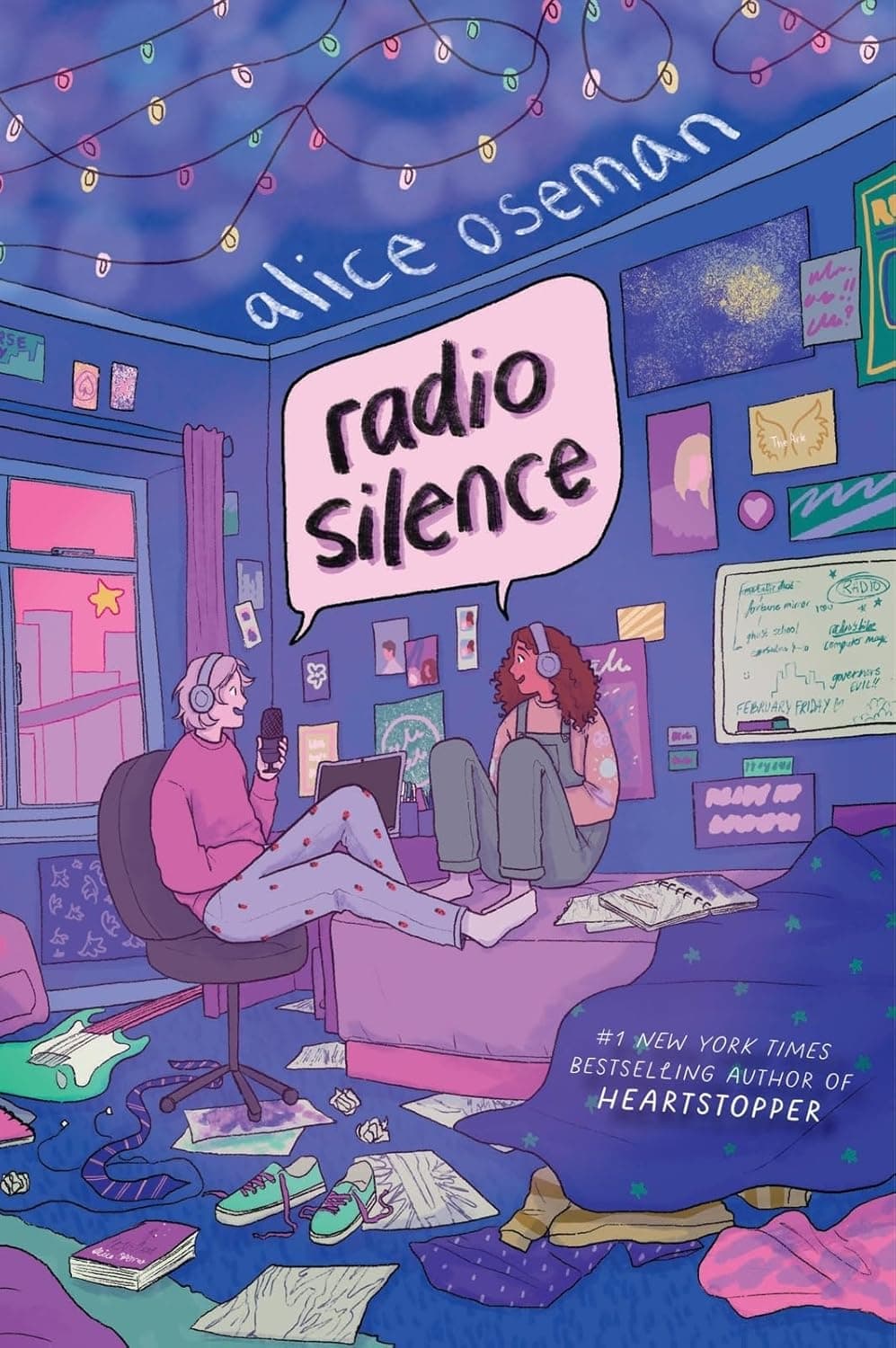
Frances visits Aled’s house under the cover of a “meeting” for Universe City. The main house is sterile: chore rotas, fake flowers, nothing personal. Aled’s bedroom, though, is a treasure cavern—posters, fairy lights, beanbags, scribbles—an explosion of personality. When Aled steps out for drinks, Frances pokes around, drawn to the wardrobe like a magnet.
Inside: patterned T-shirts, oversized sweatshirts, a denim jacket emblazoned with Babar the Elephant—bright, expressive clothes that clash with the bland jeans-and-T-shirt Aled usually wears. He catches her, not angry, just explaining that Daniel thinks his real style is “weird.” The confession opens the door. Frances slips on the Babar jacket, gushing; they admit they each assumed the other was boring. The last wall falls. They spend the day swapping music and films, settling into an easy rhythm. By the next day, both show up wearing what they actually love.
Chapter 25: YOUR ART IS SO BEAUTIFUL
Summer begins, and Frances and Aled spend nearly every day together, their friendship orbiting Universe City and a dozen other in-jokes and obsessions. Their collaboration becomes a space to experiment, fail, and try again—the living heart of Finding Your Voice and Pursuing Passion.
One afternoon, Frances hits a wall designing a cityscape; the digital drawing looks “flat.” She makes a brave pivot, pulling out a private sketchbook no one else has ever seen. The softer, stranger city she’s drawn finally matches the feeling in her head. Aled stares and says, “Your art is so beautiful.” The words flip a switch. Frances lets him leaf through all her secret Universe City fanart, an act of vulnerability that cements their trust and sets the tone for their partnership.
Character Development
Frances and Aled begin shedding the identities that keep them safe but small, while Daniel and Carys complicate the emotional map around them.
- Frances: Confronts the fracture between “School Frances” and her true self; the Carys flashback clarifies her guardedness; sharing her sketchbook marks a major leap toward vulnerability and creative ownership.
- Aled: Reveals a vivid inner world at odds with his public image; the Babar jacket and the messy, intimate bedroom show a self ready to surface; with Frances, he tests living more honestly.
- Daniel: Drops the polished Head Boy act long enough to admit fear for Aled; his need for top grades underscores how pressure shapes his persona and hints at a rift he’s not ready to name.
- Carys: Stands as the memory of confident queer selfhood Frances longs for; the kiss—and its aftermath—casts a shadow over Frances’s ties to the Lasts.
Themes & Symbols
Both protagonists wrestle with curated personas versus real selves. The school environment rewards the grind, not the messy truth, while friendship becomes a counter-space where authenticity isn’t just allowed—it’s required. That’s why the small choices—wearing the jacket, showing the sketchbook—feel seismic: they are practice runs for living openly.
Their bond is resolutely platonic, and the story treats that intimacy with the same narrative gravity usually reserved for romance. Art is the conduit—Universe City gives them language for feelings they can’t yet name. Symbols carry that meaning: Aled’s wardrobe and the Babar jacket signal the self he hides; Frances’s sketchbook is her most private voice; Aled’s vibrant room, framed by a lifeless house, makes his inner/outer split visible.
Key Quotes
“We are out there.”
- Carys’s gleeful admission reframes Frances’s world, offering representation and belonging. It lights the fuse on Frances’s understanding of herself and what a freer life might look like.
“I ruin[ed] everything.”
- Frances’s blame-heavy memory of the kiss reveals how shame has shaped her isolation. The line explains why she keeps parts of herself locked away around the Lasts.
“Classic Frances.”
- The joke lands like a verdict. It captures how her peers flatten her into a stereotype and motivates her decision to choose people who see her full complexity.
“I thought you were boring.”
- Their mutual confession dissolves old misreadings. By naming the stereotype, they dismantle it and move into a friendship built on honesty rather than performance.
“Your art is so beautiful.”
- Aled’s unguarded praise validates Frances’s private vision. The line marks the moment she lets someone into her creative interior, deepening trust and creative momentum.
Why This Matters and Section Significance
These chapters establish the emotional core of the novel: a deep, platonic partnership that lets two high-achieving, anxious teens practice being real. The flashback with Carys gives Frances’s defensiveness and longing a concrete origin; Daniel’s strained concern opens a new fault line with Aled; the contrast between Aled’s room and the rest of his house seeds the question of Abusive Family Dynamics.
Plotlines launched here—Frances’s past with Carys, Daniel and Aled’s rift, the decision to wear what they love and share what they make—steer the story toward bigger confrontations with expectation, secrecy, and the cost of hiding. Most importantly, Frances and Aled begin to dismantle the personas that no longer fit, choosing a friendship that makes space for their truest selves.