Opening
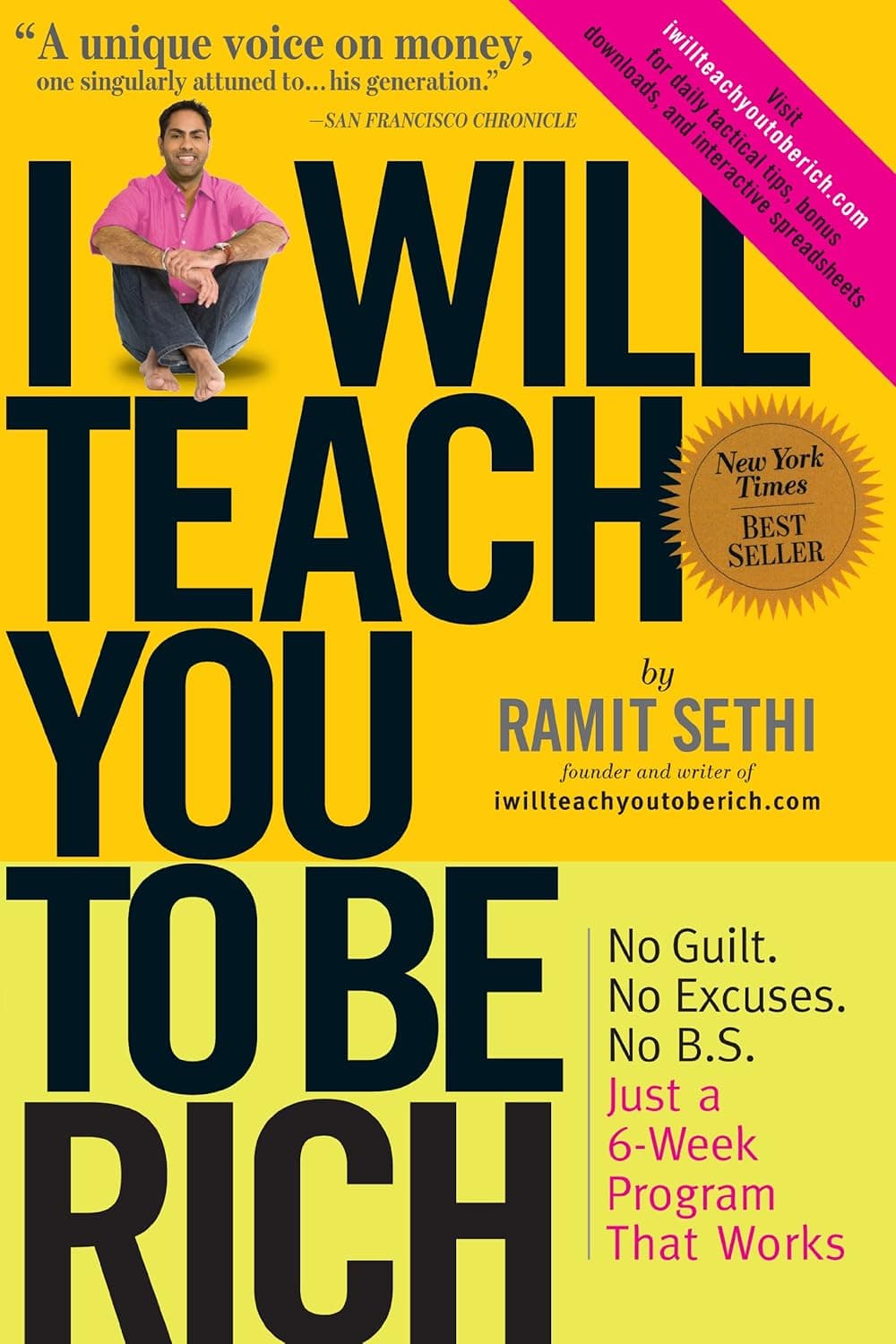
Money advice doesn’t need to be sexy to make you rich. In the opening and Chapter 1, Ramit Sethi cuts through noise with the 85% Solution and a six-week plan built on Conscious Spending and Defining a "Rich Life": start now, automate, and focus on big wins that compound.
What Happens
Introduction: Would You Rather Be Sexy or Rich?
Sethi opens with a weight-loss analogy: people obsess over carbs and trans fats instead of doing what works—eat less, exercise more. Personal finance mirrors this trap. We debate hot stocks and macro predictions while skipping the two levers that drive results: automate your money and invest for the long term. He argues that fixating on minutiae creates an illusion of progress and excuses inaction—and his 85% Solution flips the script: act now with a “good enough” plan.
He calls out “info glut” and a media landscape that’s boring, fear-driven, or overly complex. To prove that timing matters more than talent, he introduces Smart Sally versus Dumb Dan: Sally invests for only ten years starting at 25; Dan invests for thirty years starting at 35. Sally still wins because compound growth rewards early, consistent action—a core of Long-Term, Passive Investing.
Sethi also shares his early missteps—losing half of his first scholarship check—then reframes the goal from a dollar amount to a vision: build a system that funds your values. He tees up a six-week, step-by-step plan to automate cash flow, savings, and investing so your money works while you live your life.
Key moves:
- Reject paralysis-by-analysis; take the “85% right” action now
- Define your rich life, then design money systems to serve it
- Favor boring, automated investing over “sexy” stock-picking
Chapter 1: Optimize Your Credit Cards
The chapter opens with Sethi buying his first car. He channels his dad’s relentless haggling—modernized by getting dealers to bid online—and still gets penalized: despite a strong score, his short credit history blocks the best interest rate and costs him over $2,000. Lesson: credit is a quiet force multiplier. He clarifies the basics—your credit report is the historical record; your score (300–850) is your risk snapshot—and shows how a high score can save hundreds of thousands over a lifetime on mortgages, car loans, and more. Compared to “cutting lattes,” optimizing credit is a big win.
He lays out the Six Commandments of Credit Cards, starting with the one that matters most: pay on time. Because payment history drives 35% of your score, set automatic payments—an early taste of Automation and Financial Systems. He pushes readers to call for waived annual fees, negotiate APRs, keep accounts open to lengthen credit history, request higher limits to lower utilization, and actually use built-in rewards like extended warranties and rental car insurance.
The second half turns to debt. He treats student loans and especially credit card balances as anchor weights on your future and gives a five-step plan to break free:
- List every balance, APR, and minimum payment
- Choose your payoff order: highest APR first or smallest balance first (for a quick psychological win)
- Call to lower APRs and consolidate where it makes sense
- Free up cash by cutting nonessentials—skip risky moves like 401(k) loans
- Start immediately and build momentum
The chapter closes with Week 1 action steps: pull your credit report, tune up your cards, and build a clear debt-payoff plan if needed.
Character Development
Sethi’s voice lands as blunt, practical, and human. He admits mistakes, demands action, and models a system-first mindset that prioritizes big wins and automation.
- Ramit Sethi: Stakes his credibility on candor and results. He learns from losing scholarship money and a costly car loan, then turns those lessons into systems and scripts you can use.
- Prab Sethi: Embodies old-school frugality and hard-nosed negotiation. Ramit respects the rigor and updates it with efficiency and technology.
- Smart Sally: An archetype that personifies compounding. She demonstrates that starting early beats investing more, later.
Themes & Symbols
Action Over Perfection (the 85% Solution) powers the book’s design. Sethi reframes money as a behavior problem, not a math problem. By stripping out noise and insisting on immediate, imperfect action, he prevents the analysis paralysis that keeps people broke.
Conscious Spending turns budgeting from deprivation into design. Spend lavishly on what you love; cut mercilessly on what you don’t. Paired with Long-Term, Passive Investing, it forms a simple system: automate cash flow, funnel surplus into diversified investments, and refuse to waste energy on stock picking, market timing, or guilt.
Sethi also pushes readers to articulate Defining a "Rich Life": money is the tool, not the finish line. Chapter 1’s automation focus previews the broader infrastructure he builds throughout the program—systems that run without willpower and protect you from avoidable fees, high APRs, and missed payments.
Key Quotes
“Eat less and exercise more.” This mantra simplifies a noisy domain into two levers that work—then Sethi mirrors it in money: automate and invest. It challenges readers to stop chasing hacks and commit to behaviors that compound.
“It’s better to be 85% right and take action than 100% right and do nothing.” The book’s operating system. By lowering the perfection bar, Sethi accelerates decision-making and builds momentum—the single biggest predictor of follow-through.
“Spend extravagantly on the things you love, and cut costs mercilessly on the things you don’t.” This rebrands budgeting as values-based design. It removes shame from spending and demands clarity: decide what matters, then align dollars accordingly.
“Pay your bills on time.” Simple, and the highest-impact credit behavior. Because payment history dominates your score, automatic payments become a cornerstone of the system—both protective and performance-enhancing.
Why This Matters and Section Significance
The opening establishes the mindset and mechanics that differentiate this book: ignore trivia, act now, and design a money system around your values. By diagnosing the real blocker—behavior, not information—Sethi positions readers to win with a plan that compounds.
Chapter 1 operationalizes that philosophy with a high-leverage target: credit. Optimizing payment behavior, fees, APRs, utilization, and rewards delivers immediate savings and long-term borrowing advantages. The quick wins and clear Week 1 actions build trust and momentum, priming readers for the heavier lifts—banking, saving, and investing—that follow.