What This Theme Explores
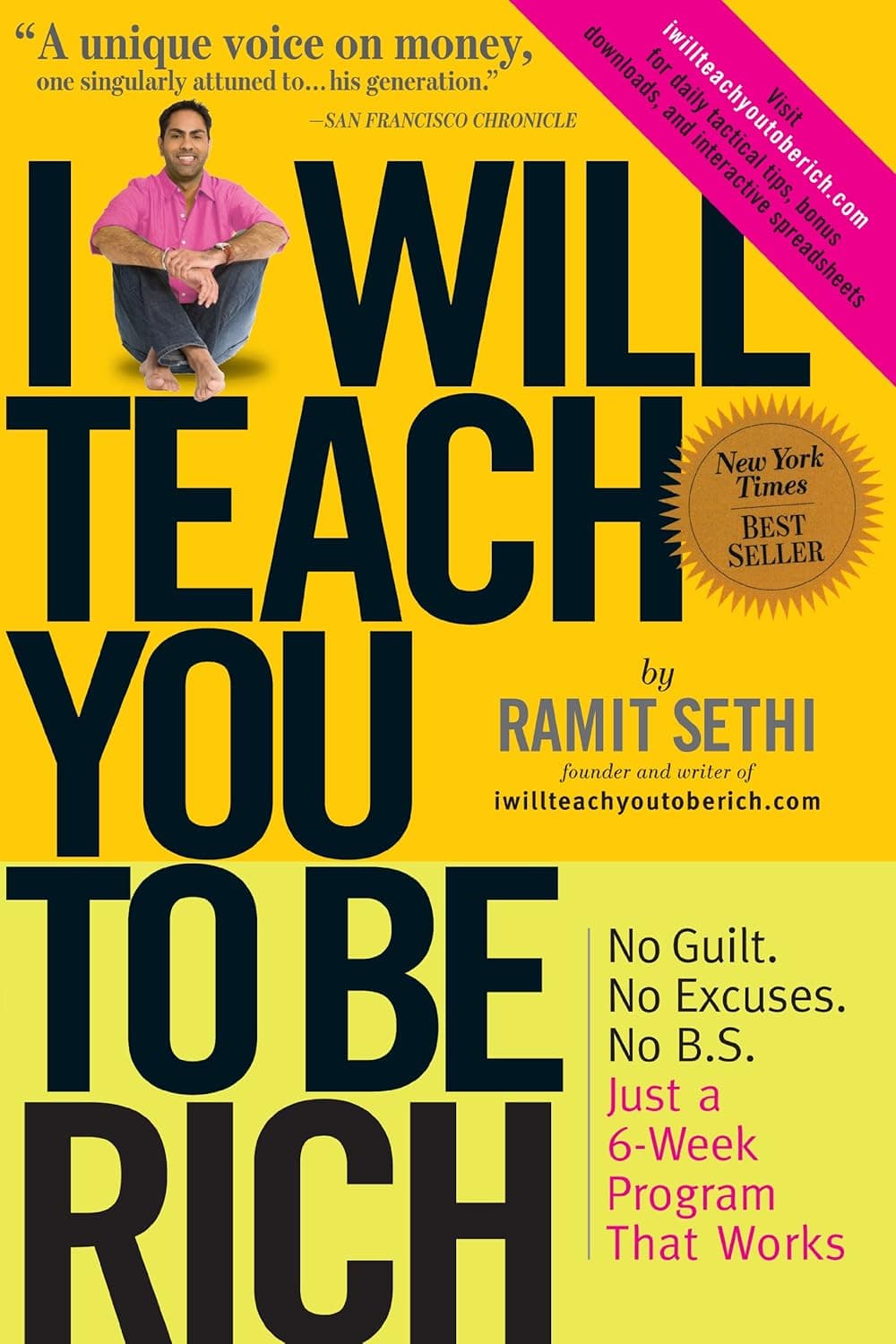
Action Over Perfection (The 85% Solution) asks whether progress built on simple, timely decisions outperforms the quest for a flawless plan. It challenges the belief that mastery must precede action, arguing that delay is the most expensive choice in personal finance. By foregrounding automation and “good enough” systems, it reframes money management as a behavioral problem, not a technical one. Ramit Sethi insists the real risk isn’t suboptimal choices—it’s inaction created by complexity, fear, and information overload.
How It Develops
The principle appears immediately in the Introduction, where Sethi contrasts endless debate over diet minutiae with the far more impactful basics—“eat less and exercise more.” He applies that logic to money: stop hunting for the perfect tactic and take a few high-leverage steps now. The 85% Solution becomes the book’s baseline expectation: not a compromise, but a disciplined refusal to be distracted.
In Chapter 1: Optimize Your Credit Cards, he translates the theme into a concrete directive on debt: pick a payoff method in minutes and start. The point is momentum—not theoretical optimality. By Chapter 3: Get Ready to Invest, this urgency becomes structural. The “Ladder of Personal Finance” and the push to open a 401(k) and Roth IRA now, even before perfect asset selection, show how early action compounds while perfectionists idle.
Chapter 4: Conscious Spending rejects brittle, perfectionist budgets in favor of a flexible plan with four buckets that are roughly right and automated, because imperfect consistency beats perfect but unsustainable rules. The theme reaches its philosophical core in Chapter 6: The Myth of Financial Expertise: the “expert” trap is a profit engine that keeps people passive. In Chapter 7: Investing Isn’t Only for Rich People, Sethi resolves the choice paralysis with two clear tracks—lifecycle funds or a simple index portfolio—urging readers to choose one and automate, closing the loop between principle and practice.
Key Examples
- The Diet Analogy: The Introduction’s comparison—obsessing over trans fats vs. simply “eat less and exercise more”—exposes how details can masquerade as diligence while blocking action. In finance, this means stop debating hot stocks and start automating savings into low-cost funds; the move from theory to habit is the thematic pivot.
- Smart Sally vs. Dumb Dan: The chart showing Smart Sally beating a later-starting peer despite investing for fewer years dramatizes the time value of action. Her advantage isn’t sophistication but timing—proof that imperfect-but-early trumps perfect-but-late.
- Joey Schoblaska’s Paralysis: A reader, Joey, narrates how not knowing “the difference between a Roth and a traditional IRA” became an excuse for inaction. His inner monologue captures analysis paralysis as self-sabotage; the theme redirects that energy toward a single, immediate setup step.
- The Debt “Just Start” Mandate: When weighing snowball vs. highest-APR, Sethi explicitly caps the decision at five minutes. This manufactured constraint shifts the goal from choosing best to choosing now—codifying the 85% Solution as a guardrail against procrastination.
- Lifecycle Funds as the Ultimate 85% Solution: Lifecycle funds auto-diversify and rebalance, making them “good enough” for most investors without ongoing tinkering. By reducing decisions and volatility of effort, they transform one-time action into long-term adherence—a core thematic win.
Character Connections
As narrator and coach, Sethi embodies the anti-perfectionist pragmatist. He positions himself against an industry that monetizes confusion, designing a program that nudges readers into a cascade of small, compounding wins. His authority comes less from technical prowess than from behavioral design: automatic systems, preset choices, and time-boxed decisions.
Smart Sally personifies the payoff of the theme: she isn’t a wizard—she’s early, consistent, and hands-off. Her results dramatize the central thesis that time and automation do the heavy lifting once you get to “good enough.”
Financial “experts” and pundits serve as foils. Their complexity and jargon function as narrative antagonists—seductive but paralyzing. By bypassing them with low-cost index and lifecycle funds, the book recasts expertise as an unnecessary gatekeeper and reframes “good enough” as an act of autonomy.
Symbolic Elements
The Six-Week Program: The book’s weekly action steps symbolize the theme by chunking a daunting life project into discrete, doable moves. The structure enforces progress rhythms and makes perfectionism impractical.
Automation: Automatic transfers and investment contributions stand in for the 85% Solution itself—one decisive setup that produces steady results without ongoing willpower. It’s a machine that turns intention into behavior.
The Couch: Joey’s couch becomes the emblem of inertia—comfort that conceals cost. It physicalizes analysis paralysis and highlights how the easiest choice now can be the most expensive later.
Contemporary Relevance
In an age of infinite feeds—crypto threads, TikTok “hacks,” and hot takes—overchoice and fear of missing out freeze decision-making. The 85% Solution is a countercultural stance: pick a few high-leverage moves, automate them, and ignore the noise. It’s also psychologically protective, replacing constant vigilance with systems that run in the background. In a culture obsessed with optimization, “good enough” becomes a strategy for both wealth-building and peace of mind.
Essential Quote
The 85 Percent Solution: Getting started is more important than becoming an expert. Too many of us get overwhelmed thinking we need to manage our money perfectly, which leads us to do nothing at all. That’s why the easiest way to manage your money is to take it one step at a time—and not worry about being perfect. I’d rather act and get it 85 percent right than do nothing. — Ramit Sethi, Introduction
This passage crystallizes the book’s behavioral thesis: perfectionism is not neutral—it’s a choice that produces zero returns. By privileging timely action and incremental steps, Sethi reframes “good enough” as a disciplined practice. The quote also justifies the book’s design: systems and automation exist to make 85% not just acceptable, but reliably repeatable.