Opening
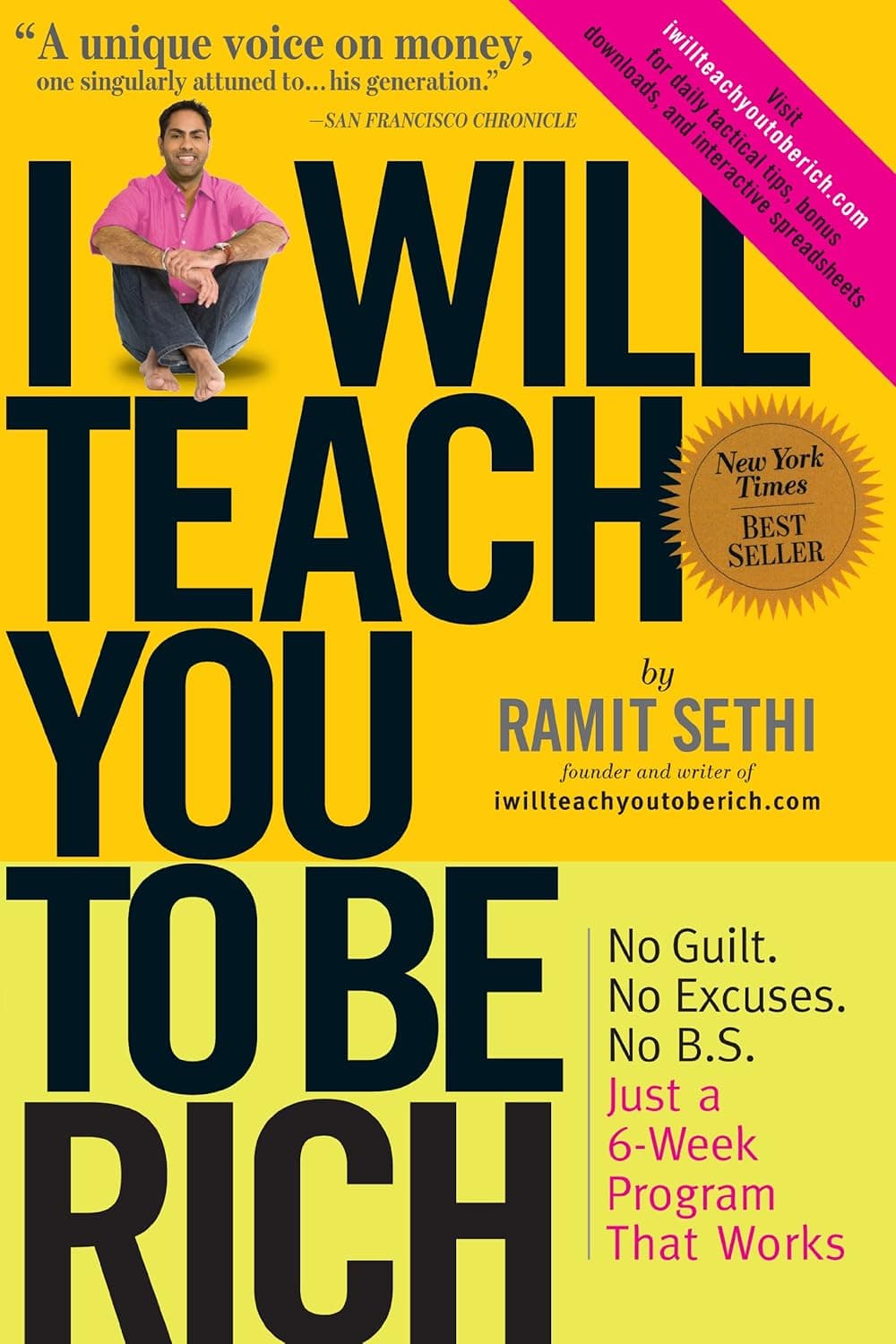
In these twin chapters, Ramit Sethi torpedoes traditional budgeting and replaces it with a system that feels generous, deliberate, and easy to maintain. The result is a life where you save and invest first through a Conscious Spending Plan, then spend guilt-free on what you actually love—because the important stuff already happens automatically.
What Happens
Chapter 4: Conscious Spending
Sethi rejects the shame-driven grind of old-school budgets and reframes money as a values exercise. He distinguishes “cheap” from “frugal”: cheap cuts everything; frugal cuts ruthlessly on what doesn’t matter and spends extravagantly on what does. That philosophy connects directly to Defining a "Rich Life": you choose the priorities, not some list of banned lattes.
He backs the idea with case studies. Lisa spends 21,000 going out. Because they earn well, automate saving and investing, and cut back elsewhere (housing, vacations), those “splurges” fit their plans. Julie, a nonprofit employee with a modest salary, still saves over $6,000 annually by paying herself first and aligning spending with goals. The point: context beats raw dollar amounts—if you’ve set the plan, you can spend the rest without guilt.
Sethi then builds the plan: allocate take-home pay across four buckets—Fixed Costs (50–60%), Long-Term, Passive Investing (10%), Savings Goals (5–10%), and Guilt-Free Spending (20–35%). He pushes “Big Wins” over penny-pinching: negotiate rent, rethink transportation or food—one or two major moves matter more than tracking $3 purchases. Tools like the À La Carte Method (to price and prune subscriptions) and the Envelope System (to cap spending) keep behavior aligned with intent. If income falls short, he recommends negotiating a raise, switching to a better-paying role, or adding freelance income—an approach grounded in Action Over Perfection (The 85% Solution), where “good enough and done” beats perfect and never started.
Chapter 5: Save While Sleeping
With the plan set, Sethi shifts to automation—Automation and Financial Systems become the engine that runs everything in the background. He introduces “The Curve of Doing More Before Doing Less”: invest a few hours upfront to build an automated system that removes daily decision-making forever. By making saving and investing the default, you harness inertia to your advantage.
He walks through the Automatic Money Flow. First, link all accounts—checking, savings, investment accounts (401(k), Roth IRA), and credit cards. Next, call providers to synchronize bill due dates with payday, consolidating cash flow. Then set timed transfers: paycheck lands in checking, which acts as the hub; funds flow out on schedule to retirement accounts, savings sub-accounts for named goals (wedding, down payment), and to pay bills and cards in full. Whatever remains in checking becomes the month’s guilt-free spending.
Michelle’s example shows the end state: her paycheck hits, retirement and savings fund automatically, bills pay themselves, and she spends what’s left—no spreadsheets, no stress. Sethi includes tweaks for biweekly pay and irregular freelance income, advising a three-month expense buffer before investing. The chapter closes with a win: once the system is live, your money grows by default, setting up the next step—what to invest in.
Character Development
Sethi’s voice crystallizes: confident, irreverent, and systems-obsessed. He positions himself as the anti-budgeting coach who replaces willpower with design.
- Ramit Sethi: Leans into a pragmatic, results-first persona; prioritizes systems over self-denial and encourages “spend on what you love” without apology.
- John: A static case study that proves extravagant spending can fit a solid plan once saving and investing are automated.
- Jim Wang: A guest voice who underscores the psychology of naming goals (“Down Payment” beats generic “savings”), echoing the practical ethos of peers like J.D. Roth.
- Gina Trapani: Brings productivity credibility to automation, championing the “set it and forget it” mindset.
Themes & Symbols
Conscious spending reframes money as a mirror of values. The chapter proves that “rich” is personal: if you front-load saving and investing, you can happily overspend on a few chosen joys while cutting everything else. This is less about restriction and more about clarity—your plan funds the life you say you want.
Automation is the antidote to willpower. By turning good behavior into default behavior, the Automatic Money Flow becomes a symbol of a well-oiled financial machine: quiet, consistent, and compounding. The 85% Solution reinforces the ethos that momentum matters more than microscopic optimization—start now, refine later.
Key Quotes
“Budgeting is the worst word in the history of the world.”
Sethi rejects guilt-based tactics and resets the frame: money management should feel empowering, not punishing. This line invites readers who’ve “failed” at budgets to try a system built for real life.
“The Curve of Doing More Before Doing Less.”
This principle justifies upfront effort to automate. Once the plumbing is installed, your finances run with minimal oversight, freeing attention for higher-value decisions.
“Set it and forget it.”
Gina Trapani’s mantra captures the productivity logic behind automation. The less you touch your system, the more reliably it executes—consistency beats intensity.
Why This Matters and Section Significance
These chapters supply the book’s engine: Chapter 4 defines what your money should do, and Chapter 5 makes it happen on autopilot. Together they bridge intention and action—moving you from vague goals to a living system that quietly funds them.
By pairing values-driven planning with mechanical execution, Sethi offers a complete, sustainable framework. The result isn’t austerity; it’s freedom: you secure your future first, then spend the rest—guilt-free—on your version of a rich life.