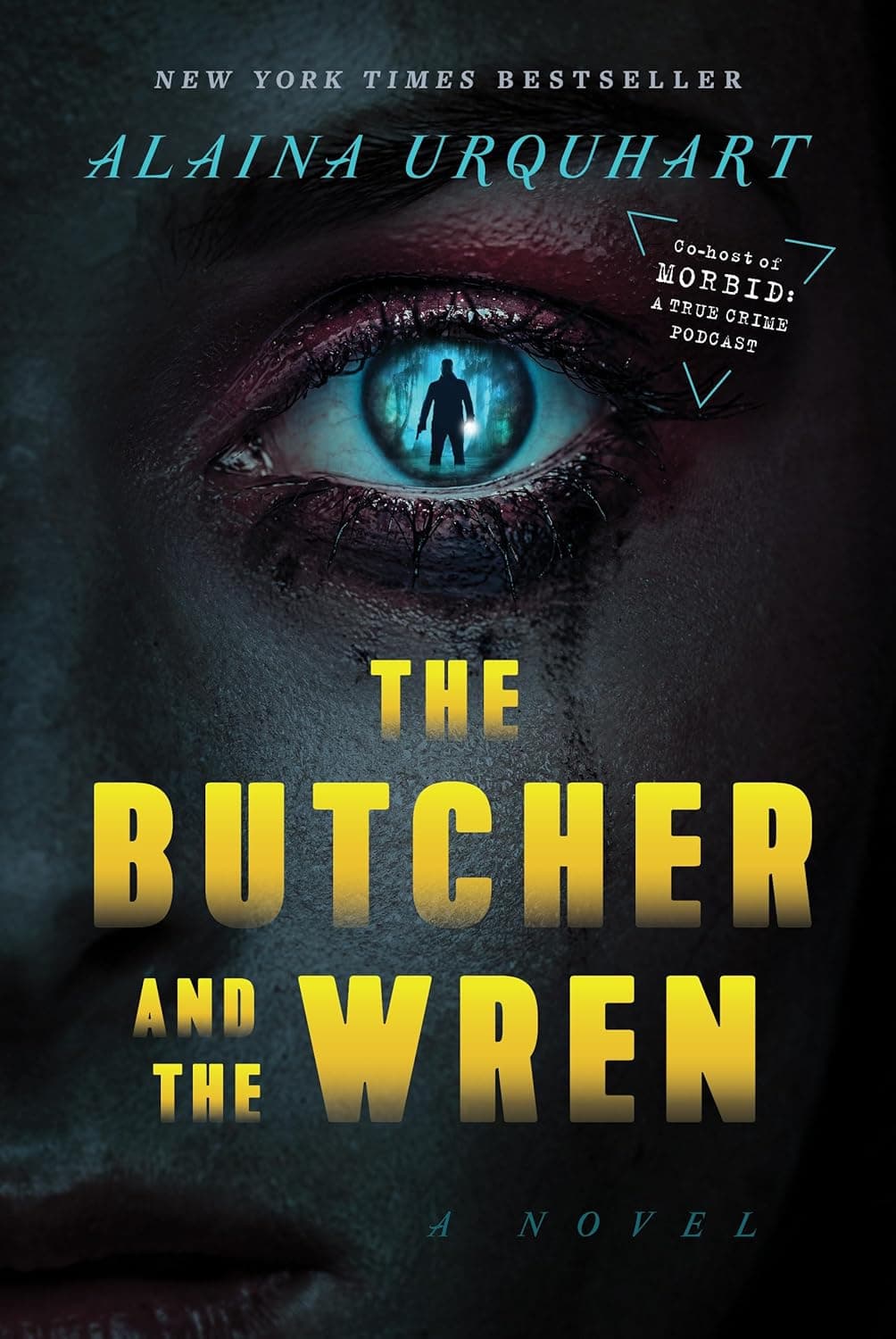
Opening
Two tracks tighten at once: Jeremy Rose perfects a new persona to abduct a classmate and launch his cruel “hunt,” while Dr. Wren Muller follows an uneasy thread from a tarot reading to a forensic break that points toward a crowded jazz festival. The story moves between immediate terror in the bayou and a mounting police operation that may be aimed at the wrong stage.
What Happens
Chapter 11: The Abduction of Emily
In a packed biology lecture, Jeremy inhabits his alias “Cal,” a fabricated student he has built with forged documents and careful scheduling. He studies Emily Maloney with rapt focus, letting anticipation simmer as he rehearses his exit. The lecture ends; “Cal” is friendly, familiar. The chloroform rag waits in his pocket.
In the garage, he keeps up the easy banter as he maneuvers for position. The takedown is swift and practiced: a rag against the face, dead weight dragged to her car, the trunk thudding shut. He injects ketamine to keep her compliant. A bracelet with an engraved E slips free; he pockets it—a trophy and a memory cue. Only then does he peel off the fake beard and scrub out the dye, discarding “Cal” like a snakeskin. The deception—core to Identity and Deception—has done its job.
Chapter 12: The Fortune-Teller and the Flyer
Wren reluctantly joins a friend’s birthday night in the French Quarter and winds up at Bottom of the Cup, where a reader named Martine studies her palm. The “Simian Line,” Martine says, shows Wren’s rigid, analytical nature is failing her now. The tarot falls—The Moon, The High Priestess, Ten of Swords—and the reading turns arresting: secrets surround her, and only intuition can stop a man who has done something horrible. The counsel rattles Wren, pressing the conflict of Science vs. Instinct.
Fleeing the reading, Wren spots Detective John Leroux and his partner, Detective William Broussard, at a bar. Over drinks, they parse the media’s “satanic panic” angle and how the killer will hate it. Leroux catches a glint in the mirror—a jazz festival flyer—its embossed, iridescent paper a perfect match for the scrap at the last crime scene. For the investigation, it’s the first solid breadcrumb.
Chapter 13: The Game Begins
Jeremy watches remotely as Emily wakes in a humid, man-made swamp pen on his property. Over hidden speakers, he welcomes his “guest,” instructs her to find a flashlight, and lays down the rule: survive. The predator-as-gamemaster dynamic locks in, driving the novel’s The Hunt: Predator vs. Prey arc while flaunting his Intellectual Pride and The God Complex.
Emily steadies herself fast. The moment he speaks, she recognizes “Cal,” and the recognition curdles into betrayal. He floods the darkness with disorienting music and offers a final directive—run. She bolts through cypress and moss as he monitors her on cameras, savoring the opening moves.
Chapter 14: The Bayou Butcher
At the lab, Ben confirms the flyer stock is an exact match. The team infers the killer’s next body drop will coincide with the festival. Ben coins a moniker—“the Bayou Butcher”—that visibly hits Wren, brushing the edge of Past Trauma and Its Lingering Effects.
At the station, command decides against canceling the event, betting on a heavy, covert police presence. Leroux and Broussard map the perimeter and choke points. Wren bristles. The killer blends, she argues; he avoids spectacle and moves under noise, not through it. An operation this large could miss the thread entirely.
Chapter 15: The Hunt
Jeremy gears up—a pistol, a shotgun, a hunting knife—and slips into the swamp he curated for pursuit. He frames his murders as the freedom to chase “curiosities” his family once denied, exposing his logic under The Nature of Evil. Night-vision goggles and a web of cameras give him godlike sightlines.
Emily stumbles into another captive, Katie, who knows the captor by a different name: Jeremy. The women form a tense pair—Emily pragmatic and focused on Survival and Resilience, Katie shell-shocked and fatalistic. He fires off shotgun blasts to herd and terrorize them, then lets them find Katie’s friend, Matt. Relief flickers—and Jeremy snuffs it, stepping from the dark to shoot Matt in the head. Emily drags a screaming Katie into the trees while Jeremy’s voice stalks the shadows, reminding them the hunt belongs to him.
Character Development
A predator perfects his theater, a scientist questions her tools, and two victims reveal clashing survival scripts.
- Jeremy Rose: Refines abduction through a fully inhabited alias and escalates to a choreographed hunt. His trophies and tech-backed control showcase sadism braided with order and entitlement.
- Dr. Wren Muller: Begins to integrate intuition into her forensic mindset. The tarot reading unsettles her certainty; her critique of the festival plan shows a keener grasp of the killer’s subtlety.
- Detective John Leroux: Proves incisive pattern recognition with the flyer match, yet leans toward conventional show-of-force tactics that may miss a stealth predator.
- Detective William Broussard: Supports the tactical build, representing institutional confidence in manpower and coverage over psychology.
- Emily: Quick-thinking, adaptable, and decisive under pressure; processes betrayal and still prioritizes strategy and movement.
- Katie: Traumatized and volatile, embodying how terror fractures agency and makes people vulnerable to manipulation.
Themes & Symbols
Predator vs. prey frames every action: Jeremy designs an ecosystem where he controls vision, pace, terrain, and sound, while Emily and Katie scramble for micro-advantages. The police mount their own hunt off a paper clue, but their scale risks blindness—prey senses work better in narrow corridors than in open arenas, and the killer knows it.
Identity and deception power both plot and psychology. “Cal” shows how a fabricated self unlocks trust and access; the “Bayou Butcher” moniker, by contrast, risks turning a meticulous chameleon into a myth, which can distort investigative focus. Wren’s conflict of science vs. instinct presses her to synthesize methodologies: evidence delivers the flyer, intuition questions the trap.
The flyer becomes a dual symbol—Jeremy’s arrogance and the task force’s first actionable thread. The bayou setting amplifies Control and Powerlessness: lights, sound, and surveillance concentrate agency in the hunter, while captives contend with mud, darkness, and fear that erode coordination and trust.
Key Quotes
“Run.” Jeremy’s single-word command collapses the hunt into pure kinetics and power. It asserts authorship over the scenario, forcing Emily into a game defined by his rules, terrain, and timing.
“Secrets surround you.” Martine’s warning reframes the case as an information war. For Wren, it signals that what she can’t measure may matter as much as what she can—and that the killer’s camouflage is social, not supernatural.
“A man who has done something horrible.” The vagueness widens the field while sharpening urgency. The phrasing pushes Wren to connect her unease to a specific adversary rather than to abstract fear, nudging her toward proactive inference.
“Bayou Butcher.” The nickname creates a story the public and media can hold—but it also risks feeding the killer’s ego and muddling his true operational profile. Wren’s reaction hints at personal history and the danger of myth-making in active investigations.
“Bubbling of anticipation.” This inner register reveals Jeremy’s predation as pleasure layered over procedure. The language underscores how ritualized planning coexists with a thrill he both indulges and justifies.
Why This Matters and Section Significance
These chapters pivot the novel from reactive forensics to a two-front pursuit: the live hunt in Jeremy’s swamp and the police’s planned sweep at the jazz festival. Dramatic irony surges—the reader watches victims run for their lives while the task force prepares for a public play the killer may never stage. The flyer gives law enforcement its first real lever, yet Wren’s instincts suggest the lever may be lodged in the wrong door.
By entwining a sadist’s engineered wilderness with the city’s celebratory crowd, the book raises the stakes for both victims and investigators. The tension now hinges on methodology: brute coverage versus behavioral nuance, evidence versus intuition, and whether either can outpace a predator who thrives by vanishing in plain sight.