What This Theme Explores
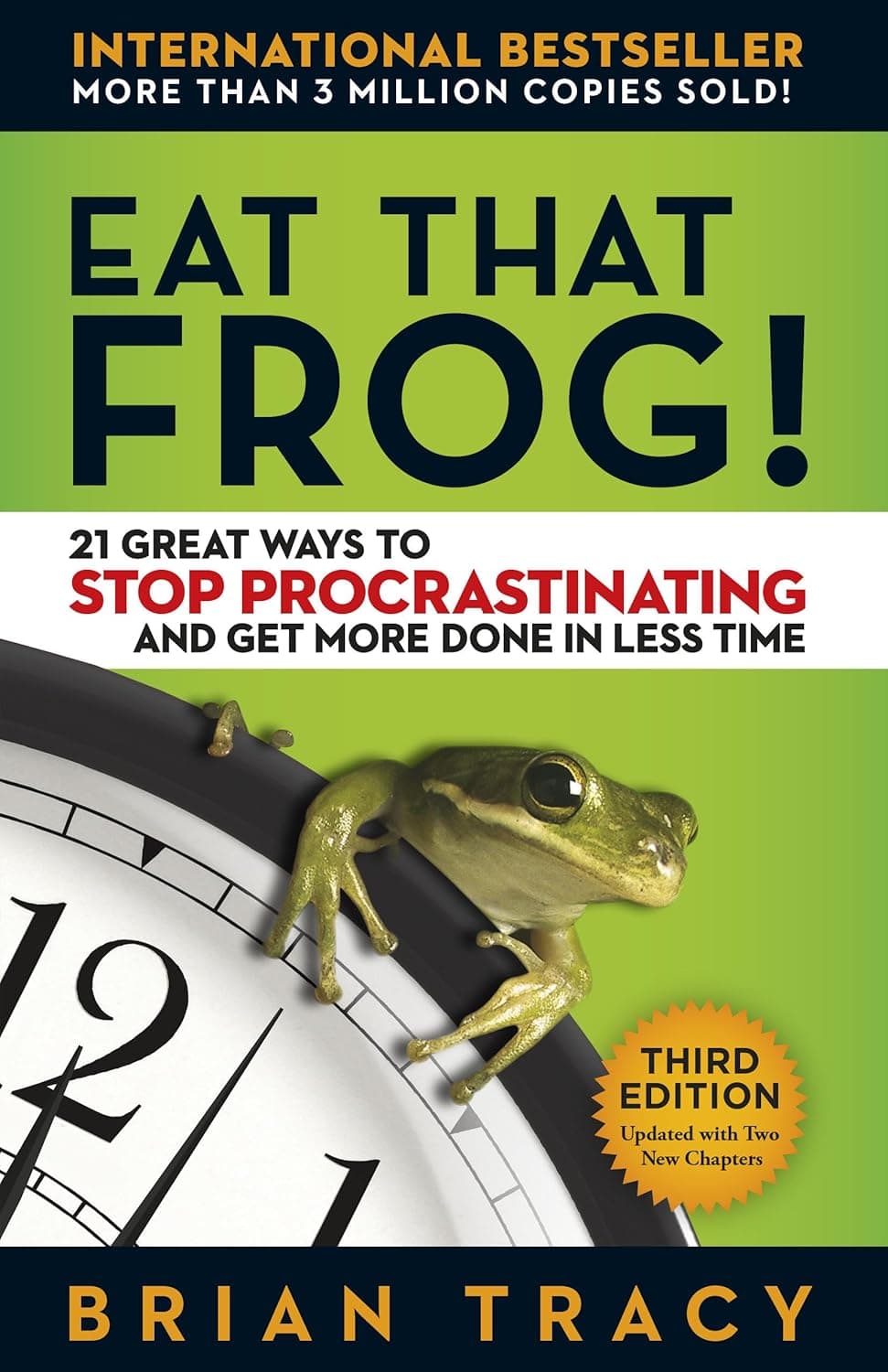
Clarity, Goal Setting, and Planning asks a deceptively simple set of questions: What exactly are you trying to achieve, why does it matter, and how will you do it today? In Eat That Frog!, Brian Tracy argues that procrastination thrives on vagueness; the antidote is “definiteness of purpose” made concrete through written goals and scheduled steps. The theme explores how a clear destination and a plan convert intention into momentum, transforming effort from scattered busyness into focused progress. It insists that high performance is not a burst of willpower but the disciplined translation of long-term aims into immediate, visible action.
How It Develops
The book opens by making clarity the nonnegotiable starting point. In Chapter 1: Set the Table, Tracy lays out a seven-step method for deciding precisely what you want, committing it to paper, and sequencing your first actions. This is where “definiteness of purpose” moves from abstraction to a checklist you can touch.
Planning then shifts from vision to daily execution. Chapter 2: Plan Every Day in Advance shows how long-term goals become weekly and daily lists, anchored by the 10/90 Rule—investing a small amount of time upfront to save vast amounts later. The theme deepens here: clarity is not a one-time revelation but a ritual that converts priorities into calendar commitments.
Mid-book, clarity powers selective focus. “Focus on Key Result Areas” in Chapter 3 and “Identify Your Key Constraints” in Chapter 4 only function if you know your destination and the few outputs that truly count. With priorities defined, you can see the “biggest frog,” prepare thoroughly, and stop mistaking motion for progress.
By the later chapters, clarity becomes the backbone of advanced tactics. “Creative Procrastination” in Chapter 5 requires a clear plan so you can confidently delay or drop low-value work. The Conclusion reaffirms this primacy by placing “Set the Table” and “Plan Every Day in Advance” first among the final rules—everything else is built on them.
Key Examples
-
The Seven-Step Goal-Setting Formula: Tracy’s sequence—decide, write, deadline, list, organize, act, and do something daily—turns desire into a pipeline of action. Each step lowers friction: writing creates commitment, deadlines add urgency, and daily movement compounds progress. The formula’s power lies in its insistence that clarity is not enough until it is operationalized.
-
The Power of Writing: “Think on paper” recurs because the page is a decision-forcing device. Writing externalizes priorities, reveals contradictions, and forces trade-offs, turning fuzzy intention into testable, schedulable tasks. It’s a practical guardrail that keeps purpose from dissolving into distraction.
-
The 10/90 Rule: By front-loading just 10% of your time into planning, you can save up to 90% in execution. This reframes planning from a delay to the fastest route through complexity, especially for large or ambiguous tasks. The rule validates clarity as the most leveraged activity in your workday.
-
Systematic List-Making: A hierarchy of master, monthly, weekly, and daily lists breaks big goals into manageable, sequenceable steps. This structure reduces overwhelm and creates a visible runway from present actions to future outcomes. Lists aren’t busywork; they are the architecture of momentum.
Character Connections
You (The Reader) function as the book’s protagonist, moving from feeling swamped to taking control through written goals and planned days. Your arc illustrates the theme’s promise: once you name the right outcomes and plot the next step, motivation follows clarity, not the other way around.
Brian Tracy plays the mentor who models the method. He credits his rise from manual laborer to executive to disciplined planning, a pattern he first observed among Successful People. His story reframes achievement as a repeatable process rather than innate talent.
Peter Drucker sharpens the theme with a focusing question: “What can I and only I do…that will make a real difference?” This becomes a practical litmus test for clarity, separating uniquely valuable tasks from merely available ones and guiding where your plan should concentrate effort.
Symbolic Elements
-
The Written List: The list symbolizes clarity made physical—energy moves once intention has a shape. An unwritten goal remains a wish; a written one becomes a contract with your future self and a track to run on.
-
The Table: “Set the Table” captures the dignity and necessity of preparation. Just as no one serves a meal on an empty table, you should not start work without first deciding the menu—your goals—and laying out the utensils—your steps.
-
The Ladder of Success: The ladder represents effort; the building represents the goal. Tracy’s reminder (via Stephen Covey) to check the ladder’s placement warns that hustle without clarity is elegant waste.
Contemporary Relevance
In an age of endless notifications and reactive work, this theme is a counterculture practice: decide first, then act. Planning in advance shields attention from the agendas of others, shifting you from busy to effective by forcing the question, “Does this move the needle?” Because the method is tool-agnostic—paper notebook or project app—the advantage comes from discipline, not software. Clarity, then, is modern antifragility: it converts chaotic inputs into deliberate outcomes.
Essential Quote
Here is a great rule for success: Think on paper.
Only about 3 percent of adults have clear, written goals. These people accomplish five and ten times as much as people of equal or better education and ability...
This passage distills the theme into a single practice: writing as the bridge from wish to work. It asserts a measurable performance gap anchored not in talent but in clarity, implying that the most accessible competitive edge is a pen and a plan. By making priorities visible and reviewable, “thinking on paper” turns intention into momentum.